





What's Happening?
U.S.-based trading platform Robinhood is set to launch operations in the Middle East in 2027, having secured authorization from the Dubai Financial Services Authority (DFSA). This approval allows Robinhood to offer trading and custody services across
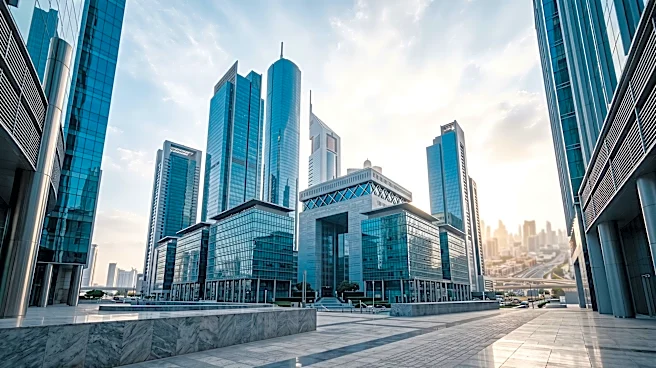
ten asset classes, including equities, cryptocurrencies, exchange-traded funds (ETFs), and investment tokens. The company plans to establish its regional headquarters at the Dubai International Financial Centre (DIFC), using Dubai as a strategic hub for its expansion across the Middle East and North Africa. Johann Kerbrat, Robinhood’s Senior Vice President and General Manager of Crypto and International, highlighted the region's tech-savvy population and growing demand for digital investment services as key drivers for this expansion. Robinhood aims to replicate its U.S. success by offering commission-free trading, an easy-to-use interface, and no-minimum investment policies to democratize finance in the region.
Why It's Important?
Robinhood's entry into the Middle East signifies a significant move to tap into a rapidly growing market for retail investing, potentially increasing global participation in financial markets. The company's model, which popularized commission-free trading in the U.S. and attracted millions of first-time investors, could transform the investment landscape in the Middle East. This expansion could intensify competition among existing digital investment platforms in the region, potentially leading to lower costs and increased accessibility for investors. However, it also raises questions about investor protection, particularly for inexperienced investors, given past scrutiny over Robinhood's role in the 2021 'meme-stock' trading frenzy. The company emphasizes its commitment to investor protection through eligibility requirements for higher-risk products and extensive educational tools, aiming to empower investors with knowledge and confidence.
What's Next?
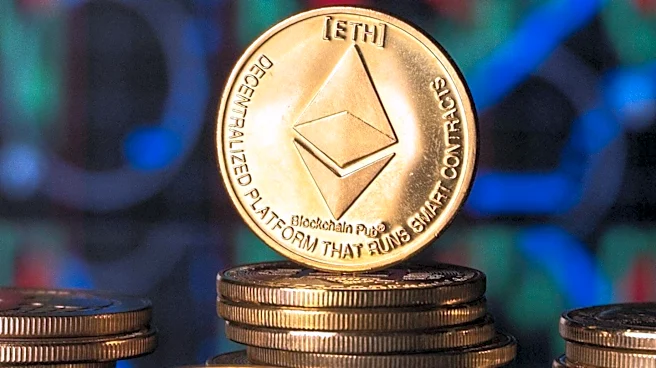
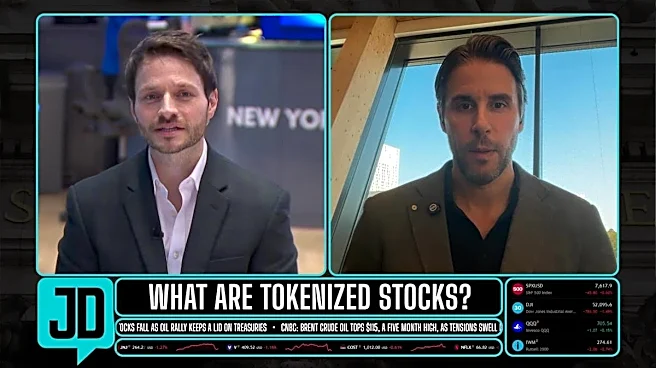
Robinhood's immediate focus will be on launching its hub in the DIFC and developing products tailored for UAE investors, with no immediate plans for other regional markets. The company has appointed Salah Kaddoura as Senior Executive Officer and President of Robinhood MENA to lead its regional operations. Beyond traditional trading, Robinhood sees significant opportunities in tokenization, a technology that uses blockchain to create digital representations of assets, potentially reducing transaction costs and expanding access to investments. While widespread adoption of tokenized products is not expected overnight, Robinhood's DFSA authorization includes investment tokens, suggesting future offerings in this area. The company will continue to invest in educational resources like Robinhood Learn and AI-powered features such as Cortex Digests to help investors make informed decisions.
Beyond the Headlines
Robinhood's expansion into the Middle East reflects a broader trend of financial technology companies seeking growth in international markets with burgeoning investor bases. The move highlights the increasing global demand for accessible and user-friendly investment platforms, particularly among younger, digitally native populations. The company's emphasis on tokenization points to a potential long-term shift in how financial assets are owned and traded, moving towards a more fractionalized and accessible model. This could have profound implications for wealth distribution and economic participation globally. However, the challenge remains in balancing accessibility with robust investor protection, especially in new markets where regulatory frameworks for digital assets are still evolving. Robinhood's success will depend on its ability to adapt its model to local market needs while maintaining trust and ensuring responsible investing practices.