

What's Happening?
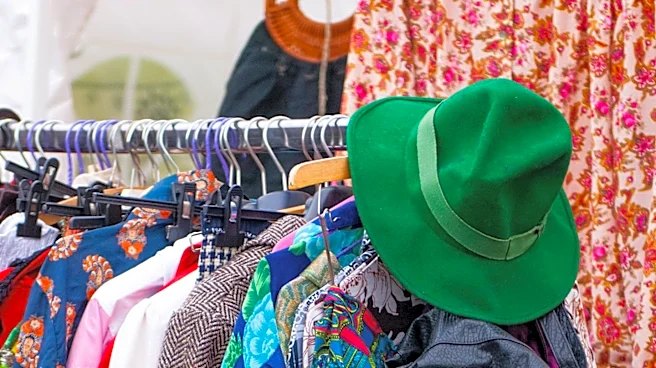
The vintage fashion market is experiencing a significant boom, largely fueled by Gen Z and young Millennials seeking authenticity and unique styles. Clothing items from the 1990s, 2000s, and even earlier are being resold at increasing prices, sometimes
exceeding their original retail value. This trend, dubbed 'Neo Nostalgia' by Depop, blends influences from the '70s, '90s, and early 2000s. For example, vintage Forever 21 shorts recently sold for $198, and items like Abercrombie henleys and Juicy Couture tracksuits are highly sought after. The market is characterized by a desire for original pieces with specific logos, cuts, and embellishments that modern retailers do not replicate. Social media and celebrity influence further amplify this demand, making vintage fashion accessible and desirable to a broader audience. The secondhand clothing market is projected to reach $350 billion globally by 2027, indicating a substantial shift in consumer behavior towards pre-loved items.
Why It's Important?
This resurgence in vintage fashion signifies a notable shift in consumer values and purchasing habits within the U.S. retail landscape. The emphasis on authenticity and scarcity means that brands that were once considered fast fashion are now gaining new value in the resale market, challenging traditional retail models. This trend impacts both consumers, who can find unique and often more affordable clothing, and businesses, which must adapt to a market increasingly driven by nostalgia and sustainability. The growth of online resale platforms has democratized access to vintage items, allowing individuals to monetize their old clothing and creating new entrepreneurial opportunities. Furthermore, the movement away from fast fashion towards more sustainable and unique pieces reflects a broader cultural shift, where consumers prioritize individuality and environmental consciousness over mass-produced trends. This could lead to a re-evaluation of clothing quality and longevity across the industry.
What's Next?
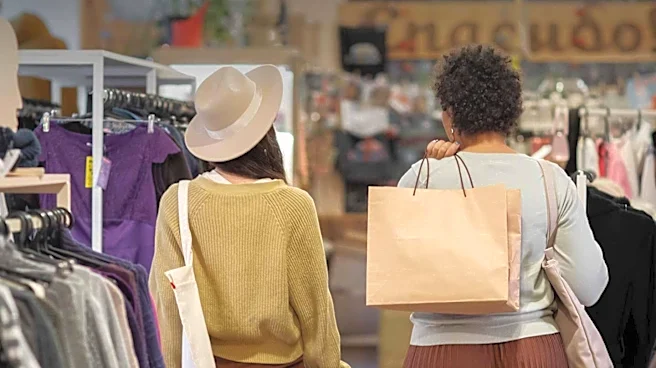
The future of the vintage mall market will depend on the sustained demand for these nostalgic pieces. Monitoring resale prices will be crucial to determine if the current premium for Y2K items will continue. Sellers are advised to photograph and check completed sales on platforms like Depop, eBay, and Grailed before donating items from brands like Abercrombie, Juicy Couture, and Von Dutch. The trend is also expected to expand beyond Y2K, with late-2000s and early-2010s mall pieces potentially gaining similar traction. Retailers may start to incorporate more early-2000s silhouettes, logos, and details into new collections, influenced by the success of the resale market. This could lead to a cyclical fashion trend where vintage influences directly impact new product lines. Consumers should pay attention to tags, wash labels, and construction details when buying, while sellers should emphasize provenance with clear photos of original tags and condition notes.
Beyond the Headlines
The vintage fashion boom extends beyond mere clothing trends, touching upon deeper societal and economic implications. It highlights a growing appreciation for craftsmanship and durability, contrasting with the disposable nature of fast fashion. This movement fosters a more circular economy, reducing waste and promoting sustainable consumption practices. Ethically, it encourages consumers to consider the lifecycle of their clothing and the environmental impact of their purchases. Culturally, it represents a generational dialogue, where younger consumers connect with past eras through tangible artifacts, creating a sense of shared history and identity. The 'thrill of thrifting' and owning something unique also taps into a desire for individuality in an increasingly homogenized world, making vintage fashion a form of personal expression and a rebellion against mainstream trends.