




What's Happening?
The U.S. economy experienced a slowdown in the second quarter of 2026, with a growth rate of 1.5%, as reported by the Commerce Department. This was below economists' expectations and a decrease from the 2.1% growth in the first quarter. The slowdown is attributed
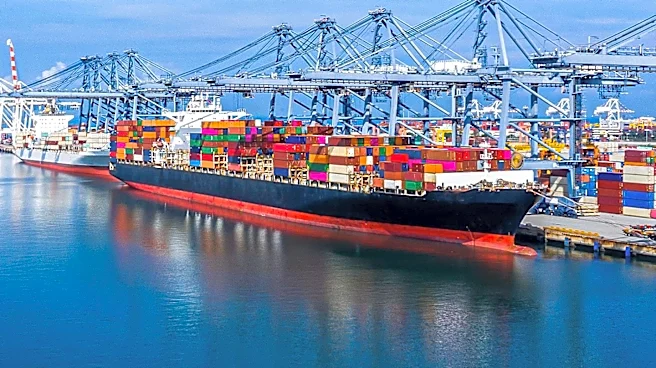
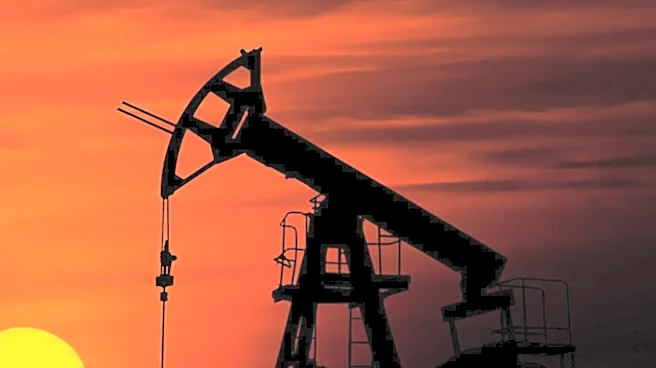
to the ongoing conflict in the Middle East, which has disrupted shipping and increased global energy costs. Despite these challenges, consumer spending remained strong, supported by a healthy labor market and tax refunds. Investment in artificial intelligence also contributed to economic activity, indicating underlying resilience.
Why It's Important?
The slowdown in economic growth highlights the impact of international conflicts and rising energy costs on the U.S. economy. The ongoing war in Iran has created uncertainties that could affect future economic performance. The Federal Reserve's decision to maintain interest rates reflects concerns about inflation, which remains above target levels. The resilience of consumer spending is a positive sign, but the reliance on imports and external factors poses risks to sustained growth. Policymakers will need to address these challenges to ensure economic stability.
What's Next?
The U.S. economy may continue to face pressures from high energy prices and geopolitical uncertainties. The Federal Reserve may consider interest rate adjustments in response to inflationary pressures. The resilience of consumer spending will be crucial in sustaining economic momentum. Policymakers and businesses will need to navigate these challenges carefully to ensure economic stability.
Beyond the Headlines
The current economic situation underscores the interconnectedness of global events and domestic economic health. The reliance on imports and the impact of international conflicts highlight the need for strategic economic planning. The ongoing investment in artificial intelligence presents opportunities for future growth, but also requires careful management to maximize its benefits. The economic slowdown also raises questions about the long-term sustainability of consumer-driven growth in the face of external shocks.