

What's Happening?
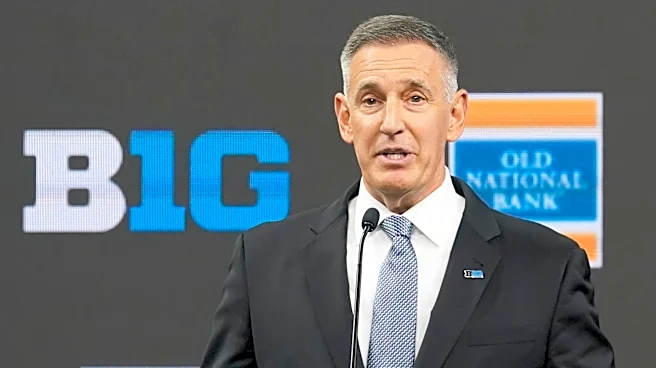
The Big Ten and Southeastern Conference (SEC) have announced new rules prohibiting professional athletes from returning to college football. This decision follows a trend of NFL rookies attempting to utilize a fifth year of collegiate eligibility. The controversy
originated from the *Wisne et al v. NCAA* court injunction, which initially granted 2022 high school graduates an additional year of eligibility, citing discrimination due to factors like COVID-19 and age restrictions. This injunction, passed on July 31, 2026, allowed players who had signed as undrafted free agents and participated in NFL training camps, but were subsequently waived, to return to college programs. For the Washington Huskies, this injunction had allowed kicker Grady Gross and defensive end Ta'ita'i Uiagalelei to rejoin the team for training camp, as neither was drafted or signed to an NFL roster, with Gross having attended a rookie minicamp with the Kansas City Chiefs. However, the 10th Circuit U.S. Court of Appeals suspended the original injunction on August 21, placing the eligibility of these returning seniors in doubt. Despite this, Coach Jedd Fisch has stated that both Gross and Uiagalelei will continue to practice with the team, even as their ability to play in regular-season games remains uncertain.
Why It's Important?
This ruling by the Big Ten and SEC signifies a significant shift in college football eligibility rules, directly impacting players who have had any professional football experience. The decision aims to prevent an influx of NFL talent from re-entering the collegiate ranks, which could alter the competitive balance and player development pathways within college sports. For programs like the Washington Huskies, the immediate impact is the potential loss of experienced players like Grady Gross and Ta'ita'i Uiagalelei, who were expected to contribute to the team. This situation highlights the ongoing legal and administrative complexities surrounding college athlete eligibility, particularly in an era where player movement and professional opportunities are constantly evolving. The involvement of federal courts and major athletic conferences in creating and suspending legislation underscores the high stakes involved for both individual athletes and collegiate athletic programs. The outcome of these eligibility disputes could influence future recruitment strategies and how college football programs manage their rosters, especially concerning players who might explore professional options before exhausting their college eligibility.
What's Next?
The immediate future for players like Grady Gross and Ta'ita'i Uiagalelei remains uncertain as the legal and conference-level decisions unfold. While Coach Jedd Fisch has confirmed that both players will continue practicing with the Washington Huskies, their participation in regular-season games is contingent on further rulings or clarifications. The suspension of the *Wisne et al v. NCAA* injunction by the 10th Circuit U.S. Court of Appeals suggests that the window for professional athletes to return to college may be closing, at least for now. Stakeholders, including the NCAA, individual conferences, and player advocacy groups, will likely continue to navigate these complex eligibility issues, potentially leading to further legal challenges or new policy formulations. The situation could also prompt discussions about a more standardized national policy regarding professional experience and collegiate eligibility, rather than a patchwork of conference-specific rules. The ongoing developments will be closely watched by other college athletes considering professional opportunities and by teams looking to leverage experienced talent.
Beyond the Headlines
This development extends beyond immediate player eligibility, touching upon broader ethical and legal questions within college athletics. The rapid changes in eligibility rules, influenced by court injunctions and subsequent conference responses, highlight the precarious nature of athlete careers and the lack of a stable regulatory framework. It raises questions about player welfare and the fairness of rules that can change mid-season, potentially derailing athletes' plans. Furthermore, the Big Ten and SEC's stance could be seen as an attempt to maintain the amateur status of college sports, or at least to draw a clearer line between amateur and professional participation, even as Name, Image, and Likeness (NIL) deals blur these distinctions. The involvement of federal courts in collegiate sports eligibility also signals a growing trend of legal intervention in what was traditionally self-regulated by athletic associations. This could lead to more formalized legal frameworks governing athlete rights and eligibility, potentially reshaping the landscape of college sports for years to come.