







What's Happening?
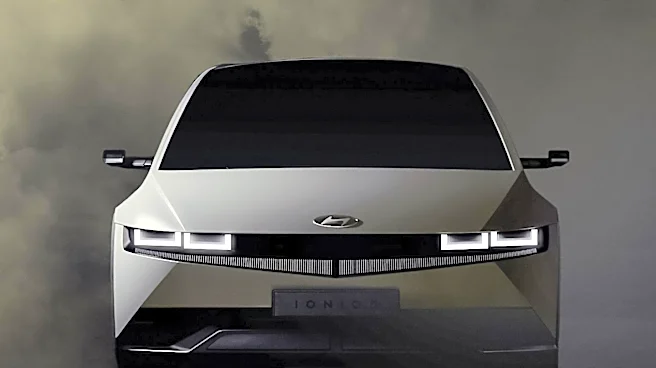
The U.S. 9th Circuit Court of Appeals has ruled that American insurers can proceed with a lawsuit against Kia and Hyundai, seeking over $1 billion in reimbursements for claims related to thousands of stolen vehicles. This decision overturns a previous
ruling by a federal judge in Santa Ana, directing the case to be reopened. The lawsuit alleges that the South Korean automakers are responsible for payouts due to their failure to include engine immobilizers in many U.S.-bound models. These immobilizers, a standard anti-theft device since the turn of the century, were omitted from many Kia models starting in 2011 and Hyundai models from 2016. The lack of this safeguard made these vehicles particularly vulnerable to theft, a problem exacerbated by the 'Kia Boys challenge' that gained traction on TikTok in 2022. The appellate panel found that because over 70% of Hyundai's and Kia's U.S. shipments passed through California ports, a significant number of these vehicles without immobilizers were directed to the state.
Why It's Important?
This ruling carries significant implications for the automotive industry and insurance sector in the U.S. For Kia and Hyundai, it represents another substantial legal challenge, following a $145 million class-action settlement with car buyers and a $9 million settlement with state attorneys general over similar issues. A potential $1 billion liability could impact their financial performance and reputation. For insurers, the decision offers a pathway to recover substantial losses incurred from the surge in thefts of these specific models. The case highlights the importance of standard safety features in vehicle manufacturing and the potential legal ramifications when such features are omitted. Furthermore, it underscores the ongoing issue of vehicle theft, which a recent UCLA study suggests will continue to affect Los Angeles for years, with elevated thefts of these vulnerable models projected through 2042.
What's Next?
The case will now return to the federal court in Orange County, presided over by Judge Selna, for further proceedings. This means the legal battle between American insurers and Kia and Hyundai will continue, potentially leading to a lengthy trial or further settlement negotiations. The outcome could set a precedent for how automotive manufacturers are held accountable for design choices that impact vehicle security and subsequently, insurance claims. Stakeholders, including consumer advocacy groups and other automakers, will likely monitor the proceedings closely. The ongoing legal challenges may also prompt Kia and Hyundai to further enhance security features in their vehicles and potentially offer more comprehensive solutions for owners of affected models.
Beyond the Headlines
The underlying issue of omitted engine immobilizers raises broader questions about corporate responsibility and consumer safety. While immobilizers became a ubiquitous anti-theft feature, their absence in certain Kia and Hyundai models created a significant vulnerability that was exploited, leading to widespread theft and financial losses for both vehicle owners and insurers. This situation also highlights the unintended consequences of cost-saving measures in manufacturing and how they can manifest as significant societal problems. The 'Kia Boys challenge' on social media further illustrates the impact of digital trends on real-world crime, creating a feedback loop that amplified the problem. The case could influence future regulatory discussions regarding mandatory security features in vehicles, potentially leading to stricter standards to prevent similar issues from arising.