



What's Happening?
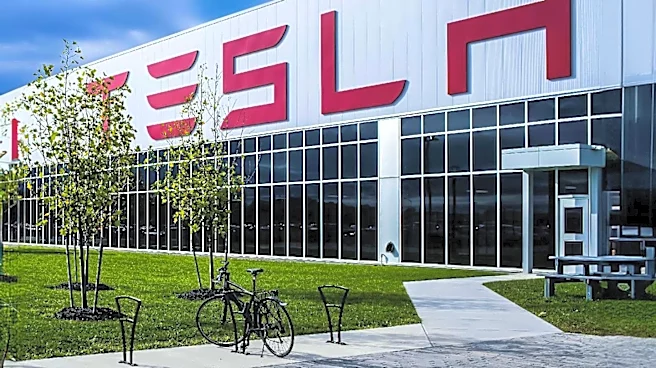
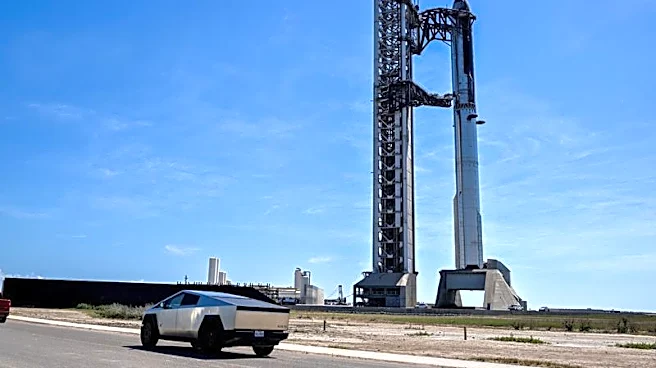
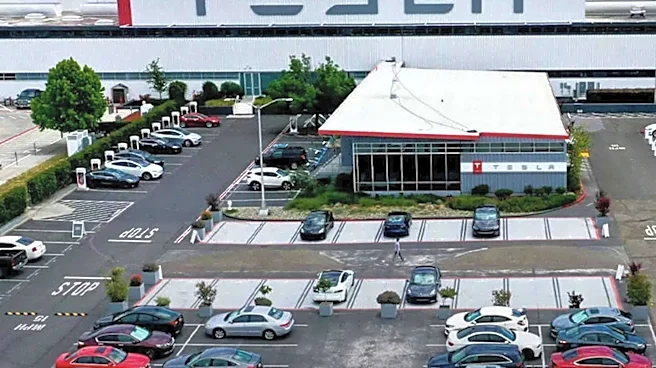
SpaceX and Tesla Inc. have designated five independent directors to spearhead negotiations concerning a potential all-stock merger, which could value the combined entity at approximately $3.5 trillion. This development was reported on November 24. Representing
SpaceX in these discussions are South African-born venture capitalist Roelof Botha, a partner at Sequoia Capital and former CFO of PayPal, and Randy Glein, co-founder of DFJ Growth and a long-time SpaceX investor. On Tesla's side, the committee includes Tesla chair Robyn Denholm, Kathleen Wilson-Thompson, former global human resources chief at Walgreens Boots Alliance Inc., and Jack Hartung, former finance chief of Chipotle Mexican Grill Inc. These five individuals lead special committees established by both boards to evaluate the combination. Morgan Stanley and Goldman Sachs Group Inc. are advising SpaceX, while Evercore Inc. is advising Tesla, with banks currently developing financial models for an all-stock deal and analyzing business overlaps. No agreement or share exchange ratio has been announced yet.
Why It's Important?
This potential merger holds significant implications for the U.S. business landscape, particularly within the technology, automotive, and aerospace sectors. A combined SpaceX and Tesla would create a colossal entity with a valuation of $3.5 trillion, potentially reshaping market dynamics and competitive landscapes. The integration of Elon Musk's artificial intelligence, robotics, electric vehicle, and rocket businesses could lead to unprecedented synergies and innovation, but also raise concerns about market concentration. The outcome of these negotiations will determine the future control structure, especially given that Elon Musk owns substantial stakes and voting rights in both companies. The deal's success hinges on approval from over 50% of all outstanding Tesla shares, not just a majority of votes cast, at a separate shareholder meeting. Furthermore, regulatory bodies in the U.S., China, Europe, and the UK are expected to scrutinize the merger due to SpaceX's defense contracts and Tesla's reliance on the Chinese market, potentially impacting international trade and national security considerations.
What's Next?
Discussions are progressing with a year-end target in mind, although an agreement is not yet finalized. An announcement regarding the merger could potentially occur as early as Tesla's annual meeting on December 3, though any shareholder vote on a deal would take place at a later meeting. The special committees will continue to consult senior executives, including Elon Musk, despite his inability to formally negotiate due to Texas governance rules. The financial advisors, Morgan Stanley, Goldman Sachs, and Evercore Inc., will continue to build financial models and identify business overlaps to determine an equitable all-stock exchange ratio. Regulatory reviews are anticipated to be a significant hurdle, particularly given the strategic importance of both companies in their respective sectors and their international operations. The final exchange ratio will be crucial in determining Elon Musk's ultimate control over the combined company.
Beyond the Headlines
The proposed merger between SpaceX and Tesla transcends a typical corporate acquisition, hinting at a broader strategic vision for integrating advanced technologies across diverse industries. This move could accelerate the convergence of space exploration, electric vehicles, artificial intelligence, and robotics, potentially leading to breakthroughs that were previously unimaginable. However, such a consolidation also raises ethical and legal questions regarding market dominance and the concentration of power in the hands of a single individual or entity. The regulatory scrutiny will not only focus on anti-trust concerns but also on national security implications, especially given SpaceX's involvement in U.S. defense contracts. The outcome could set a precedent for how governments approach mergers involving companies with significant technological and strategic importance, potentially influencing future regulatory frameworks for emerging industries. The long-term impact on innovation, competition, and consumer choice will be closely watched.