






What's Happening?
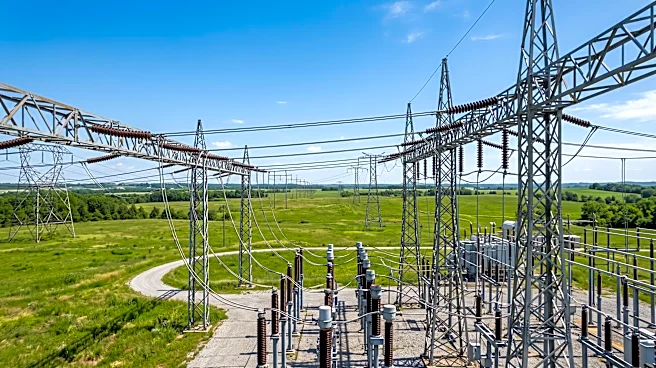
The industrial utility communication market is forecast to grow significantly, from an estimated $4.02 billion in 2025 to $7.55 billion by 2035, achieving a Compound Annual Growth Rate (CAGR) of 6.50%. This growth is primarily driven by the ongoing digitization
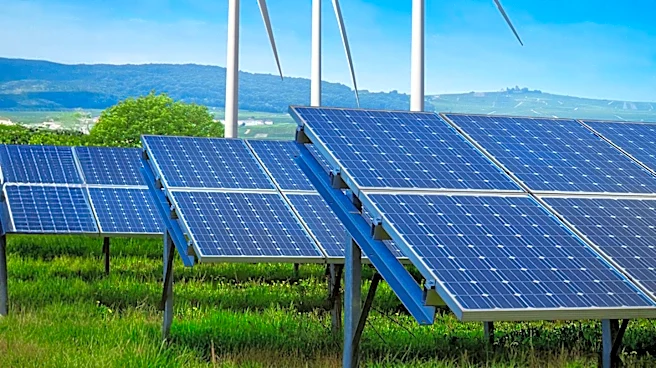
of grids and plants by utilities and industrial operators. Key factors contributing to this expansion include the integration of renewable energy sources, the deployment of smart meters, and the replacement of outdated telecom networks. These advancements necessitate secure and reliable communication infrastructure. The market's expansion is also fueled by the increasing adoption of private LTE and 5G networks for utilities, the rise of electric vehicle (EV) charging infrastructure, and the growing demand for grid-edge devices. Additionally, stricter cybersecurity regulations are pushing for network upgrades, further stimulating market growth. North America accounted for 30.20% ($1.21 billion) of the market in 2025, indicating a substantial regional contribution to this global trend.
Why It's Important?
This projected growth in the industrial utility communication market is crucial for the U.S. as it directly impacts the reliability, efficiency, and security of its energy infrastructure. The modernization of the grid, driven by the need to integrate more renewable energy and manage distributed resources, is essential for meeting future energy demands and reducing carbon emissions. The increased investment in communication technologies, including private LTE and 5G networks, will enhance the resilience of the grid against cyber threats and physical disruptions, which is a significant national security concern. For U.S. businesses, particularly those in the technology and telecommunications sectors, this represents a substantial market opportunity. Companies like GE Vernova, Cisco, Itron, and Motorola Solutions, which are listed among the top players, stand to gain from increased demand for their communication equipment, software, and services. Conversely, utilities that fail to adapt and invest in these modern communication systems risk operational inefficiencies, increased vulnerability to cyberattacks, and potential regulatory penalties, ultimately affecting service quality and consumer costs.
What's Next?
The industrial utility communication market is expected to see continued investment in digital substations and private wireless technologies. Utilities will likely accelerate the deployment of private LTE and 5G networks to support advanced grid automation and real-time communication needs. The focus will also be on enhancing cybersecurity measures for operational technology (OT) networks, making it a mandatory aspect of grid modernization. The integration of EV charging networks will further drive communication requirements, creating new opportunities for market players. While long utility procurement cycles and budget constraints remain potential risks, the overarching trend points towards a more interconnected, intelligent, and resilient grid. This will involve ongoing research and development in communication protocols, such as IEC 61850, and the development of more sophisticated software for network management and cybersecurity.
Beyond the Headlines
The modernization of the industrial utility communication market extends beyond mere technological upgrades; it represents a fundamental shift in how energy is generated, distributed, and consumed. The move towards decentralized energy systems and the proliferation of grid-edge devices raise complex ethical and legal questions regarding data privacy, ownership, and the potential for algorithmic bias in energy management. The increased reliance on interconnected digital systems also amplifies the risk of large-scale cyberattacks, necessitating robust regulatory frameworks and international cooperation to protect critical infrastructure. Culturally, this shift could lead to greater public engagement with energy consumption through smart home technologies and demand-response programs, fostering a more energy-conscious society. However, it also highlights the digital divide, as access to these advanced technologies and their benefits may not be uniformly distributed, potentially exacerbating existing inequalities.