




What's Happening?
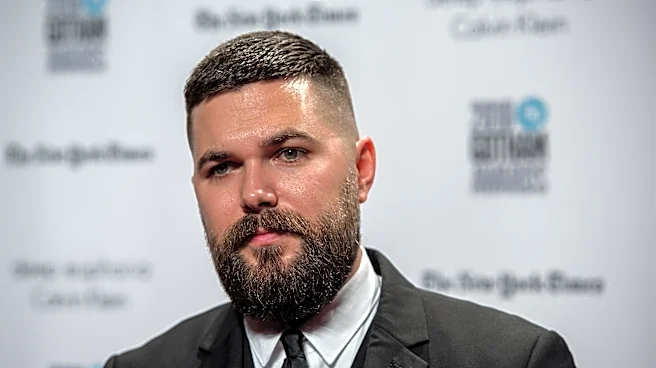
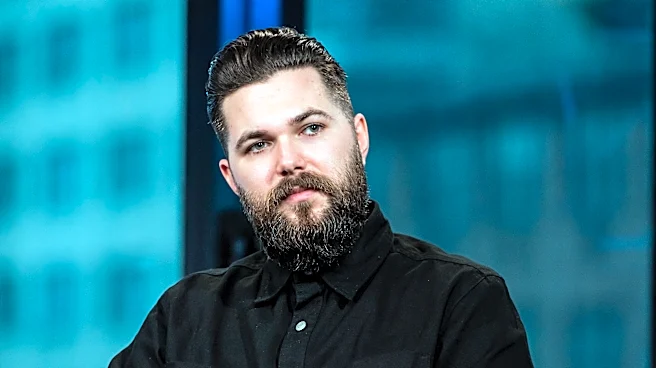
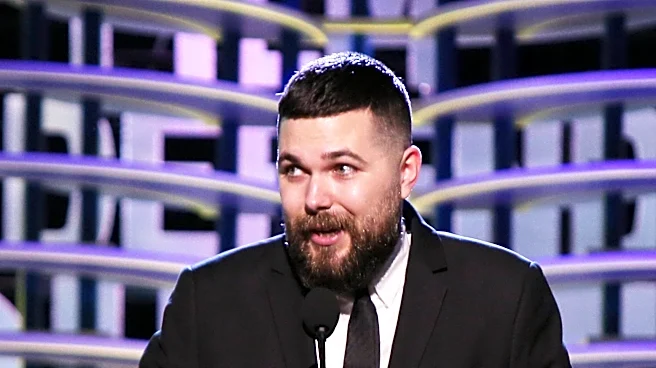
Director Robert Eggers, known for his work in the horror genre, has indicated a desire to move away from classic monster projects following the upcoming Christmas Day release of his latest film, 'Werwulf'. During a Q&A session in Mexico, Eggers stated
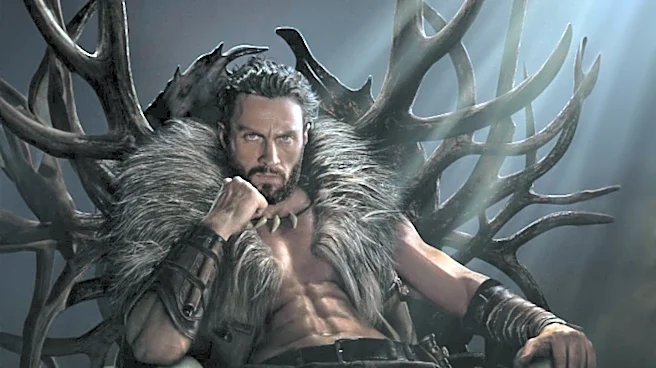
he is eager to explore new territory that does not involve traditional monsters, expressing, "I'm eager not to continue purposely doing Robert Eggers' House of Horror. I don't need to do the Mummy or The Phantom of the Opera. Not to say that I won't, but I think I need a break." His filmography includes acclaimed horror titles such as 'The Witch', 'The Lighthouse', and 'Nosferatu', in addition to the 2022 Viking action film, 'The Northman'. 'Werwulf', a folk horror film set in rural England around 1305, tells the story of a farmer who transforms into a beast during lunar cycles and makes a pact with the devil to seek redemption for his family, while trying to conceal his truth from a seasoned hunter sent by the king. The film is written and produced by Sjón and Eggers, with Tim Bevan, Garrett Bird, and Eric Fellner also producing, and Bernard Bellew, Chris Columbus, and Eleanor Columbus serving as executive producers. The cast includes Aaron Taylor-Johnson, Willem Dafoe, and Lily-Rose Depp.
Why It's Important?
This announcement from Robert Eggers signals a potential shift in the landscape of contemporary horror and genre filmmaking. Eggers has established a distinct and critically acclaimed style within the horror genre, often characterized by historical settings, psychological depth, and atmospheric tension. His decision to seek a 'break' from classic monster movies could lead to the development of new types of genre films or a complete departure into different cinematic territories. For fans and critics who appreciate his unique approach to horror, this could mean anticipating fresh narratives and stylistic explorations. For the film industry, a successful genre pivot by a director of Eggers' caliber could inspire other filmmakers to experiment beyond their established niches, potentially diversifying the types of films produced and released. It also highlights the creative pressures and desires of artists to evolve and avoid being typecast, which can ultimately enrich the cinematic offerings available to audiences.
What's Next?
Following the Christmas Day release of 'Werwulf', the immediate next step for Robert Eggers will likely involve the critical and commercial reception of this film. His stated intention to move away from classic monster projects suggests that his subsequent directorial endeavors will explore different themes or genres. While he has not ruled out a return to monster films entirely, his current focus is on a 'break' from them. This could lead to announcements of new projects that diverge significantly from his previous work, potentially in areas like historical dramas, thrillers, or other forms of genre cinema. The film industry will be watching to see what new creative directions Eggers pursues, and how his established audience, accustomed to his horror aesthetic, responds to these new ventures. His future choices could influence trends in independent and studio filmmaking, particularly regarding directors known for a specific genre.
Beyond the Headlines
Eggers' expressed desire to move beyond classic monster movies touches upon a broader artistic challenge faced by successful directors: the pressure to innovate versus the expectation to deliver more of what made them popular. While his horror films have garnered critical acclaim and a dedicated following, his statement suggests a personal and creative need to avoid artistic stagnation and explore new narrative territories. This pursuit of artistic evolution is crucial for long-term creative vitality but also carries the risk of alienating a core audience or facing new critical challenges. It also raises questions about the categorization of directors and the industry's tendency to pigeonhole talent based on early successes. Eggers' journey post-'Werwulf' could serve as a case study for how established directors navigate the balance between artistic integrity, audience expectations, and the commercial demands of the film industry, potentially influencing how other filmmakers approach their careers and creative choices.