


What's Happening?
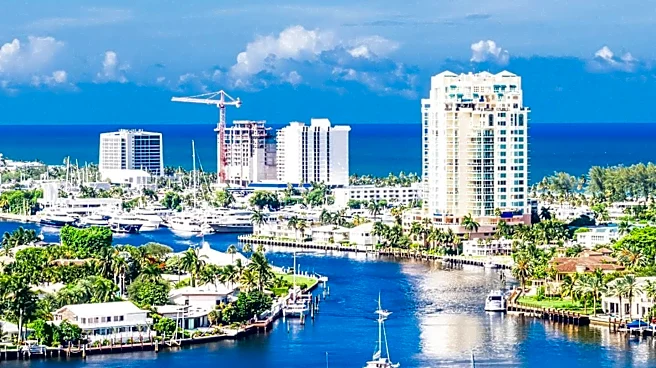
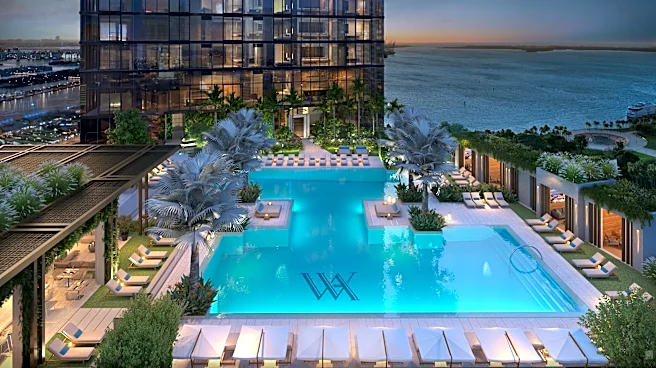
New York developers are increasingly investing in Fort Lauderdale, Florida, with significant luxury condominium projects and corporate tenant developments. This influx of capital and construction is positioning Fort Lauderdale as a viable alternative
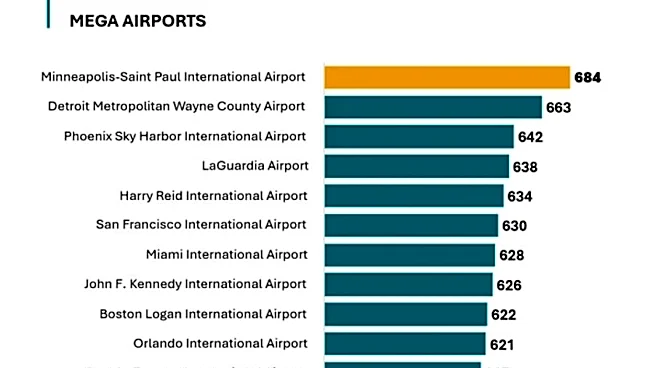
to Miami and Palm Beach, which some developers find too 'hectic.' Miki Naftali, whose firm is developing over 250 condo units and a rental building in Flagler Village, believes Fort Lauderdale is on the cusp of significant price appreciation. The city's appeal is bolstered by its relatively lower cost of living compared to Miami, improved rapid transit options like Brightline, and increased airline service to its local airport. New York City metro area residents remain the largest group of out-of-state movers, though California is also contributing a growing number of new residents.
Why It's Important?
This shift in developer focus to Fort Lauderdale is important for several reasons. Economically, it signifies a diversification of Florida's real estate boom beyond its traditional hotspots, potentially creating new economic centers and job opportunities in Broward County. The substantial investment from New York developers, including firms like Dependable Equities and backing from Apollo Global Management's Athene Annuity and Life Company, brings significant capital and expertise, driving up property values and commercial activity. This trend could lead to a substantial increase in Fort Lauderdale's tax base and local revenue. Socially, the influx of new residents, particularly younger adults and those from high-cost-of-living areas like New York and California, could alter the city's demographic profile and demand for amenities, services, and infrastructure. The development of luxury properties and corporate spaces also indicates a maturing market that could attract more businesses and high-income individuals.
What's Next?
In the next five to ten years, Fort Lauderdale is expected to see considerable price appreciation in its real estate market, according to developers like Miki Naftali. Ongoing projects, such as Ombelle, a two-tower, 754-unit development by Dependable Equities, are already seeing strong pre-sales, with completion estimated around 2028. The city is also undertaking public investments, including a $130 million overhaul of Las Olas Marina and plans to improve pedestrian and bicycle infrastructure, which will further enhance its appeal. However, some local real estate brokers, like Peter Zalewski, caution that the luxury wave might be out of step with the city's historical appeal to middle-class families, raising concerns about sustainability if demand doesn't match the high-end supply. The continued monitoring of sales, demographic shifts, and infrastructure development will be crucial to understanding Fort Lauderdale's long-term trajectory.
Beyond the Headlines
Beyond the immediate economic impact, the development boom in Fort Lauderdale raises deeper questions about urban identity and gentrification. While the influx of New York capital and residents brings economic growth, it also risks transforming the city's character, potentially displacing long-time residents and altering its social fabric. The concern that Fort Lauderdale, historically a working-class city, is becoming a 'suburb with high rises' highlights the tension between economic development and community preservation. The comparison to Panama City, a market that attracted outside capital without sustained demand, serves as a cautionary tale for developers and city planners. This situation underscores the challenge of balancing growth with maintaining affordability and local character, a common dilemma in rapidly developing urban areas across the U.S. The long-term success will depend on whether the city can integrate new luxury developments with its existing community while addressing potential issues of affordability and infrastructure strain.