



What's Happening?
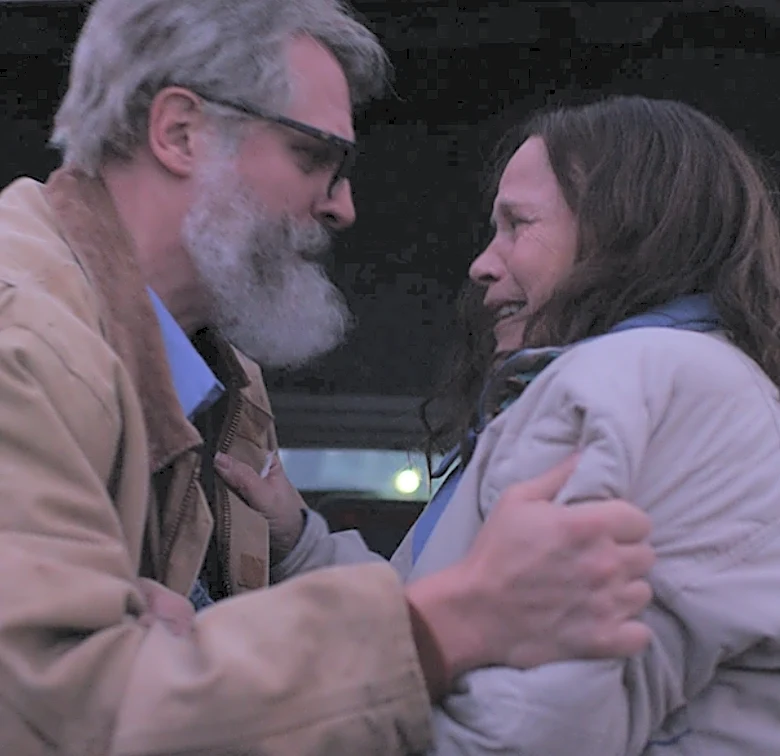
Reports have resurfaced detailing the significant on-set tension between actors Julia Roberts and Nick Nolte during the filming of their 1994 romantic comedy, 'I Love Trouble.' Both actors publicly expressed strong negative sentiments towards each other.
Roberts referred to Nolte as 'repugnant' in a New York Times interview, stating he 'does everything he can to repel people.' Nolte, in turn, called Roberts 'completely asquerosa' (disgusting) in a separate interview with The New York Times. The animosity was so pronounced that, according to media reports, they filmed many of their scenes separately, utilizing body doubles. Nolte later reflected on the situation in a 2022 interview with Business Insider, acknowledging that the 'absurd' conflict was partly his fault and partly hers, noting that Roberts married at the beginning of the shoot and he handled the situation incorrectly.
Why It's Important?
The documented conflict between Julia Roberts and Nick Nolte during the production of 'I Love Trouble' highlights the potential for interpersonal dynamics to significantly impact film production and the professional reputations of actors in Hollywood. Such public disputes can create a challenging work environment, potentially affecting the quality of the final product and increasing production costs due to logistical adjustments like using body doubles. For the actors involved, these incidents can shape their public image and future casting opportunities. While 'I Love Trouble' was a commercial success, grossing $61.9 million worldwide, the behind-the-scenes drama overshadowed its cinematic legacy. This case serves as a reminder of the pressures and complexities inherent in collaborative creative industries, where personal chemistry can be as crucial as professional talent.
What's Next?
While the events surrounding 'I Love Trouble' occurred decades ago, the resurfacing of these details continues to contribute to the historical narrative of Hollywood's behind-the-scenes challenges. For Julia Roberts and Nick Nolte, their careers have largely moved past this particular incident, though it remains a notable anecdote in their respective biographies. The film itself is not considered a highlight in either actor's filmography, despite its box office performance. Future discussions about on-set conflicts in Hollywood may continue to reference this case as an example of extreme professional discord. The industry, in general, has increasingly focused on fostering positive and respectful work environments, making such historical accounts relevant for understanding the evolution of professional conduct in filmmaking.
Beyond the Headlines
The enduring story of the animosity between Julia Roberts and Nick Nolte delves deeper than just a professional disagreement; it touches upon the intense scrutiny and public perception faced by celebrities. The candid and harsh remarks exchanged between the two actors, particularly in prominent publications like The New York Times, reveal the raw human element behind the polished facade of Hollywood. It also highlights the pressure on actors to maintain a certain public image, and how deviations from that can lead to lasting narratives. The fact that Nolte later admitted partial fault suggests a level of introspection, but the initial public statements underscore the immediate, often unfiltered, reactions that can arise under stressful production conditions. This incident serves as a cultural touchstone for discussions about celebrity behavior, professional ethics, and the psychological toll of working in the public eye.