
What's Happening?
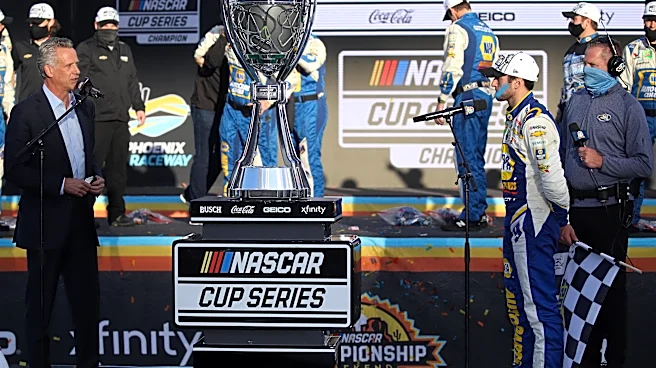
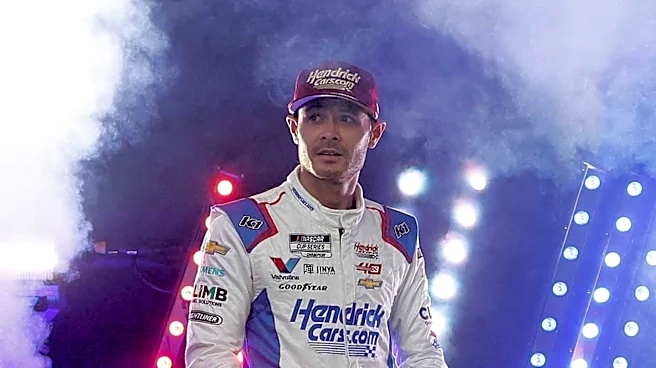
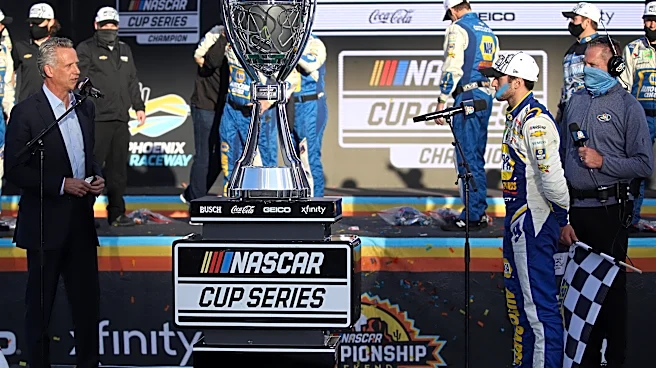
The 2026 NASCAR Cup Series season concluded with an all-time low in viewership, averaging 2.42 million viewers, a 2% decrease from 2025. The championship race at Homestead-Miami, where Kyle Larson secured
his third Cup Series title, drew 2.47 million viewers on NBC, marking it as the least-watched season finale on record and an 8% drop from the previous year's finale. This decline is attributed partly to increased media fragmentation, with a majority of Cup Series races now broadcast on cable television. The cable portion of the schedule, comprising 24 races, averaged 1.94 million viewers, down 5% from 2025. Broadcast races, though fewer, also saw a 4% decline, averaging 3.57 million viewers. Notably, there was a 125-day period in 2026 without a Cup Series race airing on broadcast television. Despite the overall decline, streaming viewership, particularly on Prime Video, showed a 2% increase, averaging 2.29 million viewers. NASCAR CEO Steve O'Donnell has indicated plans to discuss moving races from cable to broadcast networks to potentially boost audience numbers.
Why It's Important?
The sustained decline in NASCAR Cup Series viewership presents a significant challenge for the sport's long-term financial health and cultural relevance in the U.S. While NASCAR secured increased rights fees through its current media deals, the fragmentation of its broadcast across various cable and streaming platforms appears to be alienating a portion of its traditional audience. The shift of races to cable, making them less accessible to viewers without specific subscriptions, directly impacts the sport's reach and ability to attract new fans. The reported growth in younger demographics (Adults 35-49, 18-49, and 25-34) for NBC and USA Network broadcasts, and the increase in streaming viewership, suggest a potential shift in consumption habits. However, these gains are not yet sufficient to offset the overall decline. The situation highlights a broader trend in sports broadcasting where the pursuit of higher rights fees through fragmented distribution can inadvertently lead to reduced overall engagement, forcing sports leagues to re-evaluate their media strategies to balance revenue generation with audience accessibility and growth.
What's Next?
NASCAR CEO Steve O'Donnell plans to meet with Skydance Sports president David Berson to discuss potentially moving races currently allocated to TNT Sports to the CBS broadcast network. Such a move aims to increase the accessibility of races and could provide a meaningful audience boost for segments of the schedule currently on cable. The offseason will likely involve strategic discussions on media distribution to address the viewership decline and capitalize on the growth seen in streaming and younger demographics. The sport will need to decide whether to prioritize broad accessibility through broadcast television or continue with fragmented distribution across cable and streaming, which offers higher rights fees but risks further alienating parts of its fanbase. The success of other NASCAR series, such as the O'Reilly Auto Parts Series, Craftsman Truck Series, and ARCA Menards Series, which all recorded year-over-year viewership increases, may offer insights into effective strategies for audience engagement.
Beyond the Headlines
The viewership trends in NASCAR reflect a larger dilemma facing traditional sports in the evolving media landscape. The balance between maximizing media rights revenue and maintaining broad audience engagement is becoming increasingly complex. While streaming platforms offer new avenues for growth, particularly among younger demographics, they also contribute to the fragmentation that can deter casual viewers. The challenge for NASCAR, and other sports leagues, is to innovate their distribution models to cater to diverse viewing preferences without sacrificing their core audience. This involves not only strategic partnerships with broadcasters and streamers but also a deeper understanding of fan behavior and preferences. The long-term implications could see a significant restructuring of how sports content is packaged and delivered, potentially leading to more hybrid models that combine traditional broadcast with digital-first approaches to ensure both financial viability and sustained fan interest.