


What's Happening?
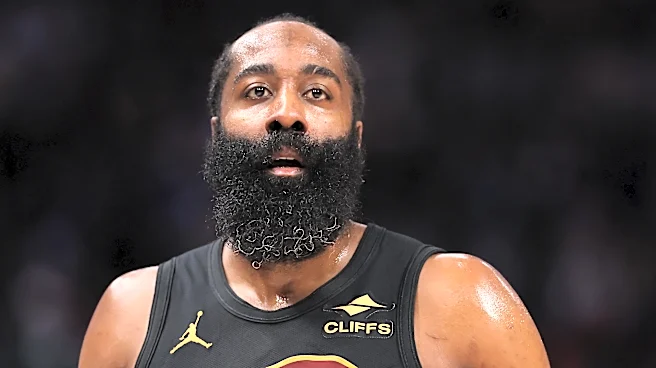
The Cleveland Cavaliers have finalized a significant move by re-signing star guard James Harden to a three-year, $97 million contract. This deal includes a player option and a trade kicker, pushing Harden's career earnings past $500 million, a milestone
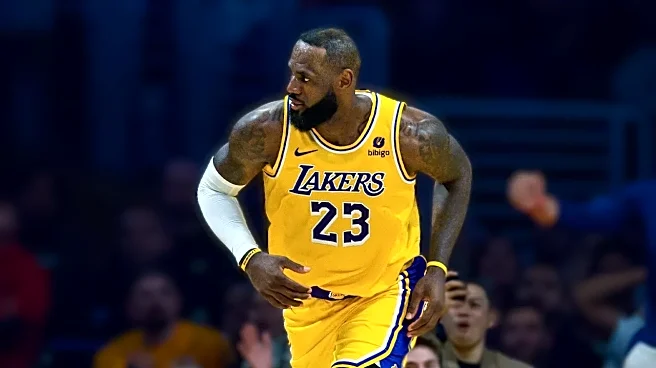
achieved by only three other NBA players: LeBron James, Kevin Durant, and Stephen Curry. Harden, who will turn 37 next week, also joins LeBron James as the only players to secure over $90 million in guaranteed salary at age 37 or older. This signing follows Harden's mid-season acquisition in February, where he joined the Cavaliers from the Los Angeles Clippers. During his 26 regular-season games with Cleveland, the team posted a 19-7 record, leading them to a fourth seed in the playoffs and their first conference finals appearance since 2018. Harden averaged 20.5 points, 4.8 rebounds, 7.7 assists, and 3.2 turnovers, with a 43.5% three-point shooting percentage during his regular-season stint with the Cavaliers. His playoff performance saw a slight dip, averaging 19.2 points, 5.1 rebounds, 5.5 assists, 1.7 steals, and 4.7 turnovers.
Why It's Important?
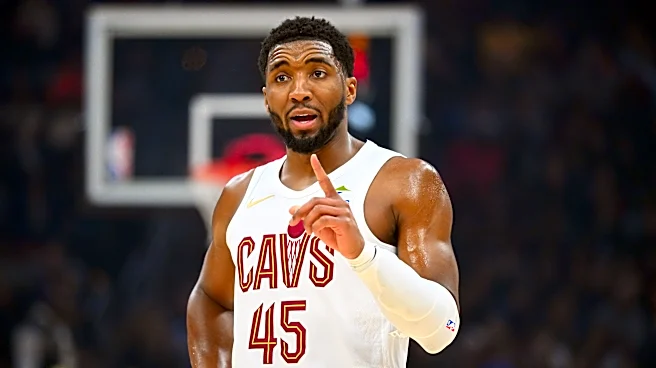
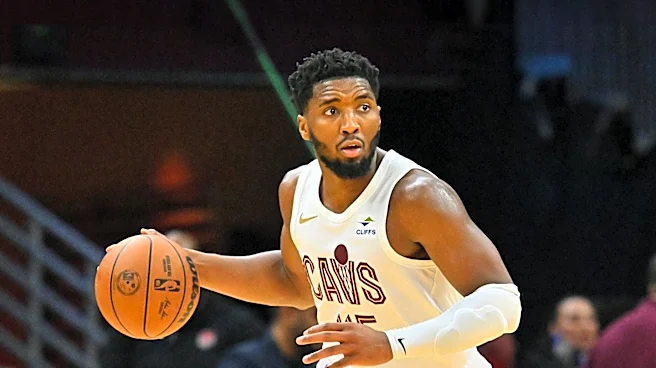
This contract is crucial for the Cleveland Cavaliers as it solidifies their star-studded backcourt, pairing James Harden with Donovan Mitchell, who previously signed a four-year, $273 million maximum extension. The commitment to Harden, despite his age, signals the Cavaliers' intent to contend for a championship in the immediate future. His experience and playmaking abilities are expected to complement Mitchell's scoring prowess, creating a formidable offensive duo. The financial investment in Harden also reflects the team's confidence in his continued high-level performance and leadership. For the NBA, this deal highlights the increasing value placed on veteran star power, even for players approaching the later stages of their careers, especially when they can contribute to deep playoff runs. The Cavaliers' aggressive moves, including the recent trade for Peyton Watson, indicate a strategic effort to build a championship-caliber roster around their core stars, potentially shifting the competitive landscape in the Eastern Conference.
What's Next?
With James Harden's contract secured and Donovan Mitchell already extended, the Cleveland Cavaliers are poised to enter the upcoming NBA season with a clear and strong backcourt. The team's recent trade for Peyton Watson, following the departure of Dennis Schroeder, further shapes their roster. The focus will now shift to how Harden and Mitchell integrate their play over a full season and how the new additions contribute to team chemistry and performance. The Cavaliers will aim to build on their conference finals appearance and make a stronger push for the NBA championship. Their performance in the regular season and subsequent playoff run will be closely watched to see if the significant financial investment in their star players translates into ultimate success. The team will also need to manage Harden's minutes and health, given his age and the demands of a long NBA season, to ensure he is at his best for the playoffs.
Beyond the Headlines
The Cavaliers' decision to invest heavily in James Harden, a player who has moved between four teams since 2021, reflects a broader trend in the NBA where teams are willing to take calculated risks on established stars to accelerate their championship timelines. This strategy, while potentially rewarding, also carries inherent risks, particularly concerning player longevity and the financial flexibility of the franchise in the long term. The deal's structure, including a player option, provides some flexibility for Harden but also indicates a mutual understanding of the short-to-medium term focus. The success or failure of this high-stakes gamble could influence future team-building philosophies across the league, especially for franchises looking to transition from rebuilding to contending. Furthermore, the pairing of two ball-dominant guards like Harden and Mitchell will present an interesting tactical challenge for the coaching staff, requiring a delicate balance to maximize their individual talents within a cohesive team offense.