





What's Happening?
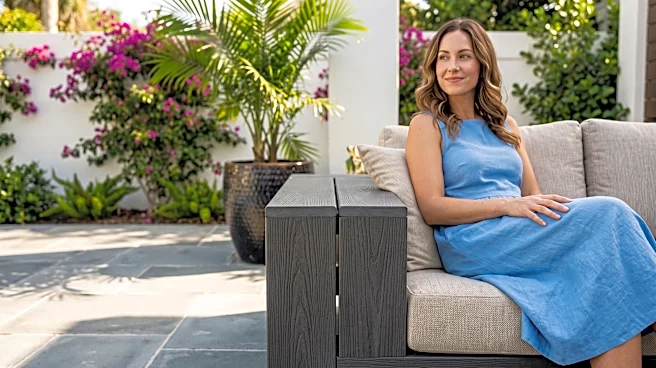
Outdoor furniture made from poly lumber, specifically high-density polyethylene (HDPE), exhibits heat-driven movement at its joints, particularly in Florida's climate. This phenomenon manifests as small, visible changes where boards meet, fasteners are
located, or frame members overlap. These changes can appear as narrow gaps, slight shadow lines, or board ends that seem more open during hot afternoons compared to cooler mornings. This is a normal material response to temperature fluctuations, as HDPE expands when warm and contracts when cool, similar to other outdoor materials like wood and aluminum. The visibility of these changes is often more pronounced in poly lumber due to its solid nature, darker color options, and rapid heating in direct sunlight. Factors such as direct sun exposure, furniture color (darker colors absorb more heat), and placement on heat-radiating surfaces like pavers or concrete slabs can magnify these visual effects. Humidity, rain, and coastal air can also influence how dirt and residue collect in joint lines, further highlighting these movements.
Why It's Important?
Understanding heat-driven movement in poly lumber furniture is crucial for consumers and manufacturers in regions with high temperatures and humidity, such as Florida. For consumers, recognizing this as a normal material behavior prevents unnecessary concern about furniture failure or over-tightening hardware, which can create stress at fastener holes. This knowledge helps in proper maintenance, ensuring the longevity and performance of outdoor furniture. For manufacturers, it underscores the importance of designing furniture with adequate joint spacing and fastener layouts that accommodate thermal expansion and contraction. This phenomenon impacts the perception of product quality and durability, as uninformed customers might mistake normal material responses for defects. The need for clear communication regarding material properties and care instructions becomes paramount to manage customer expectations and reduce service inquiries related to perceived flaws. This also highlights the importance of material science in product design for outdoor applications, where environmental factors significantly influence material behavior.
What's Next?
Manufacturers of poly lumber furniture will likely continue to refine designs to better accommodate thermal expansion and contraction, potentially through improved joint designs, fastener systems, and material formulations. There may be an increased focus on educating consumers about the inherent properties of poly lumber and how to properly care for their furniture in varying climates. This could include more detailed care guides, instructional videos, and clearer product descriptions that address heat-driven movement. Retailers in regions like Florida may need to adjust their customer service approaches to explain these material characteristics proactively, reducing post-purchase concerns. Furthermore, research into new composite materials or surface treatments that minimize heat absorption or visual changes due to temperature fluctuations could emerge. The industry might also see a trend towards lighter-colored poly lumber options in hot climates, as these tend to show less pronounced movement due to lower heat absorption.
Beyond the Headlines
The phenomenon of heat-driven movement in poly lumber furniture points to broader implications in material science and sustainable product design. The use of recycled HDPE in poly lumber aligns with sustainability goals, but understanding its thermal properties is essential for its effective application. This issue highlights the challenge of designing durable outdoor products that can withstand diverse environmental conditions without compromising aesthetic appeal or structural integrity. It also touches upon consumer psychology and the perception of quality; what might be considered a 'defect' by an uninformed consumer is, in fact, a natural material characteristic. This necessitates a shift towards greater transparency in product information and consumer education. Furthermore, as climate change leads to more extreme weather patterns, including prolonged heatwaves, the performance of outdoor materials will become an even more critical consideration, driving innovation in material science to develop products that are resilient and maintain their integrity under increasingly harsh conditions.