







What's Happening?
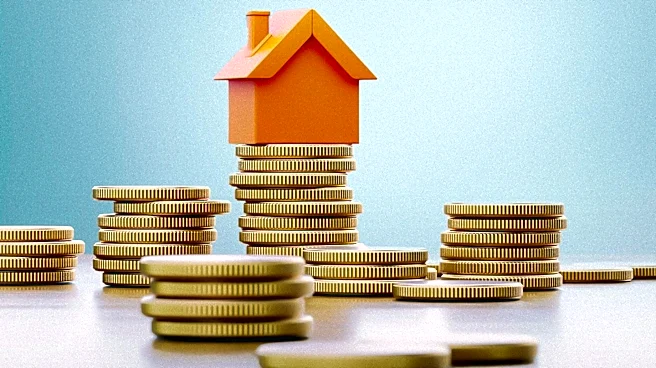
The average long-term U.S. mortgage rate has risen to 6.58%, marking the highest level in nearly a year. This increase in borrowing costs comes as rising oil prices, driven by the conflict in Iran, contribute to inflationary pressures. The benchmark 30-year
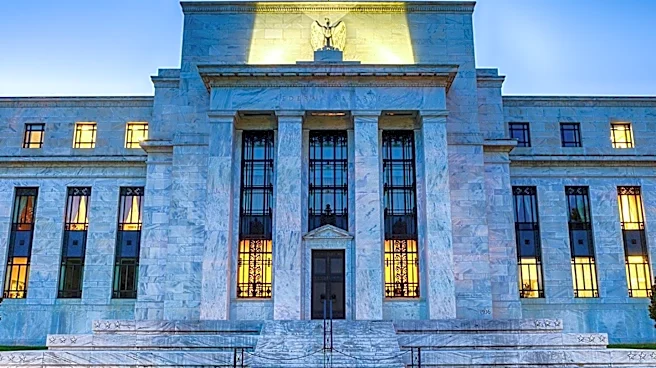
fixed-rate mortgage saw a slight increase from 6.55% the previous week, while the 15-year fixed-rate mortgage also experienced a rise. The upward trend in mortgage rates is linked to higher long-term bond yields, influenced by the Federal Reserve's interest rate policies and market expectations for inflation.
Why It's Important?
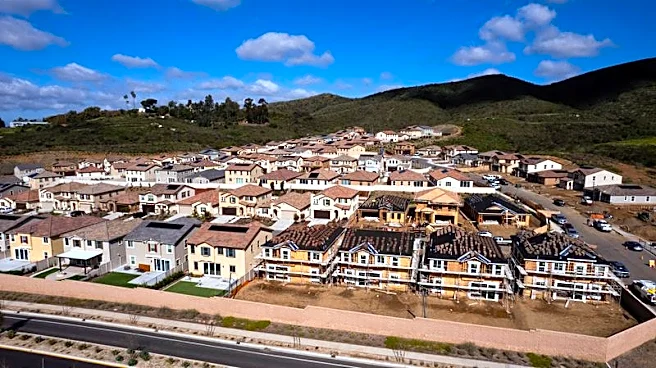
The rise in mortgage rates poses challenges for prospective homebuyers, as higher borrowing costs can limit purchasing power and delay home purchases. This trend contributes to the ongoing sluggishness in the U.S. housing market, which has been affected by elevated rates since 2022. The increase in rates also reflects broader economic concerns, including inflation and geopolitical tensions, which can impact consumer confidence and spending. For the housing industry, sustained high rates could lead to reduced sales and slower market activity, affecting real estate professionals and related sectors.
What's Next?
As mortgage rates remain elevated, potential homebuyers may continue to face affordability challenges, leading to a slower housing market. The Federal Reserve's future interest rate decisions will be closely watched, as they could influence the trajectory of mortgage rates. Additionally, any developments in the geopolitical landscape, particularly regarding oil prices, could further impact inflation and borrowing costs. The housing market may need to adapt to these conditions, potentially through increased emphasis on affordable housing solutions or alternative financing options.