





What's Happening?
The space industry is facing a significant challenge as it transitions from low Earth orbit (LEO) to medium Earth orbit (MEO) operations. The durability of LEO hardware is proving inadequate for the harsher conditions of MEO, which requires more robust
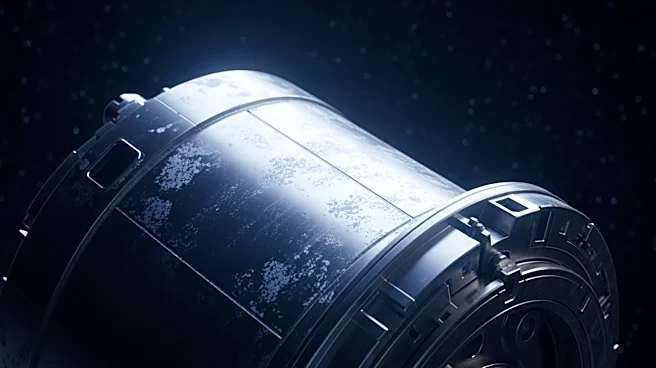
materials and technology. The current reliance on LEO manufacturing techniques is leading to a 'durability crisis' in MEO, where standard components are not equipped to handle the environmental stresses. This issue is compounded by the need for long-term operational capabilities in MEO, as the industry moves towards a more permanent orbital infrastructure.
Why It's Important?
The durability crisis in MEO has far-reaching implications for the future of the space industry. As companies aim to establish a sustainable orbital economy, the failure of LEO hardware in MEO could lead to significant financial losses and setbacks in space exploration and commercialization. The need for more durable materials and technology is critical to ensuring the longevity and success of orbital operations. This situation highlights the importance of innovation in materials science and engineering to overcome the challenges posed by the harsh conditions of space.
What's Next?
To address the MEO durability crisis, the space industry must prioritize the development of new materials and technologies that can withstand the environmental stresses of MEO. This includes re-engineering the chemical composition of structural composites and investing in radiation-hardened systems. Companies are expected to focus on research and development to create more resilient hardware, which will be essential for the long-term viability of the orbital economy. Collaboration between industry leaders, researchers, and government agencies will be crucial in driving these advancements.