





What's Happening?
U.S. electric utilities are embarking on one of the largest investment cycles in modern history, with planned capital expenditures exceeding $1.2 trillion. This figure, derived from a review of major U.S. electric utility capital plans by ScottMadden,
surpasses earlier projections by the Edison Electric Institute (EEI), which estimated approximately $1.1 trillion over the next five years for investor-owned utilities (IOUs). The increased investment reflects a broad industry-wide effort focused on grid modernization, the development of clean energy sources, and enhancing system resilience. This substantial financial commitment indicates a significant transformation within the energy sector, aiming to upgrade existing infrastructure and integrate new technologies to meet evolving energy demands and environmental goals.
Why It's Important?
This massive capital investment is crucial for the future of the U.S. energy landscape. It signifies a concerted effort to address aging infrastructure, improve reliability, and transition towards a more sustainable energy mix. The scale of investment will drive innovation in energy technology, create numerous jobs across engineering, construction, and related sectors, and potentially lower long-term energy costs through increased efficiency and renewable integration. Consumers stand to benefit from more reliable power, reduced outages, and cleaner energy sources. However, these investments may also lead to increased utility rates in the short term to cover the costs. For industries, particularly those reliant on stable and affordable power, these upgrades are vital for operational continuity and growth. The shift towards clean energy also positions the U.S. to meet climate targets and enhance its global competitiveness in green technologies.
What's Next?
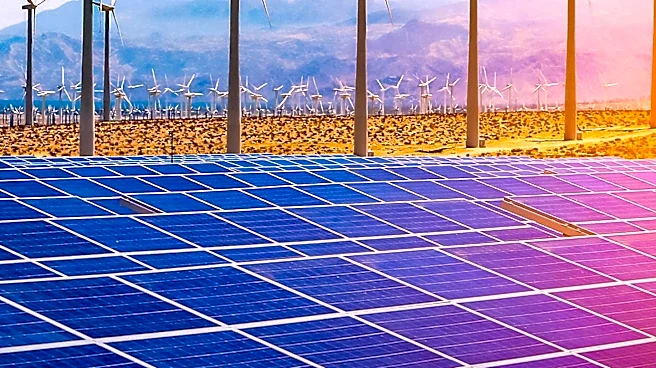
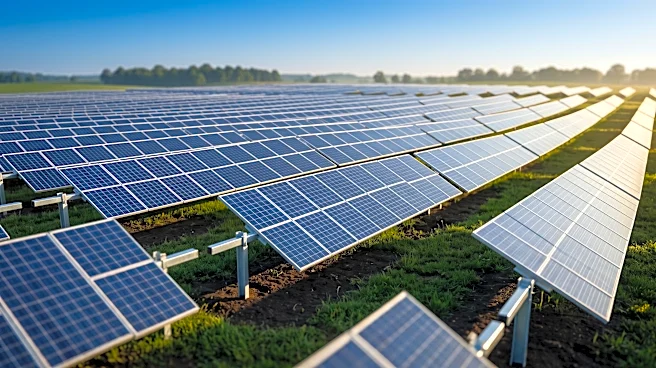
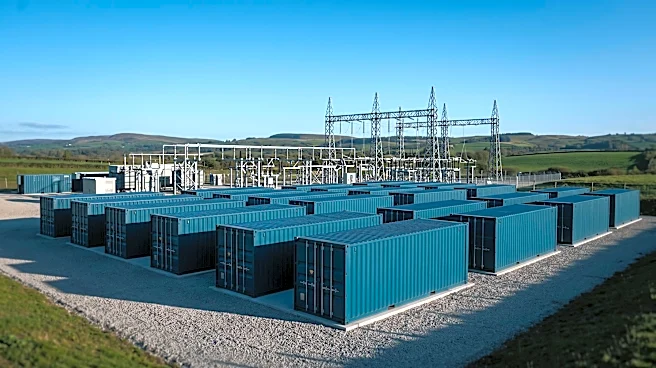
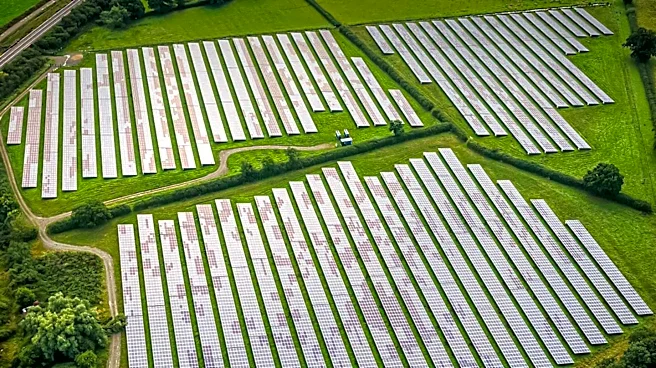
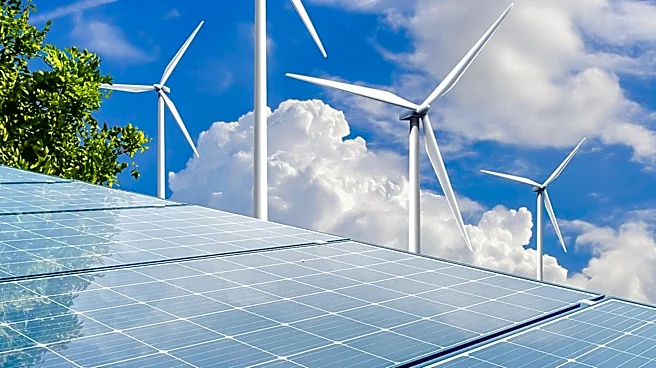
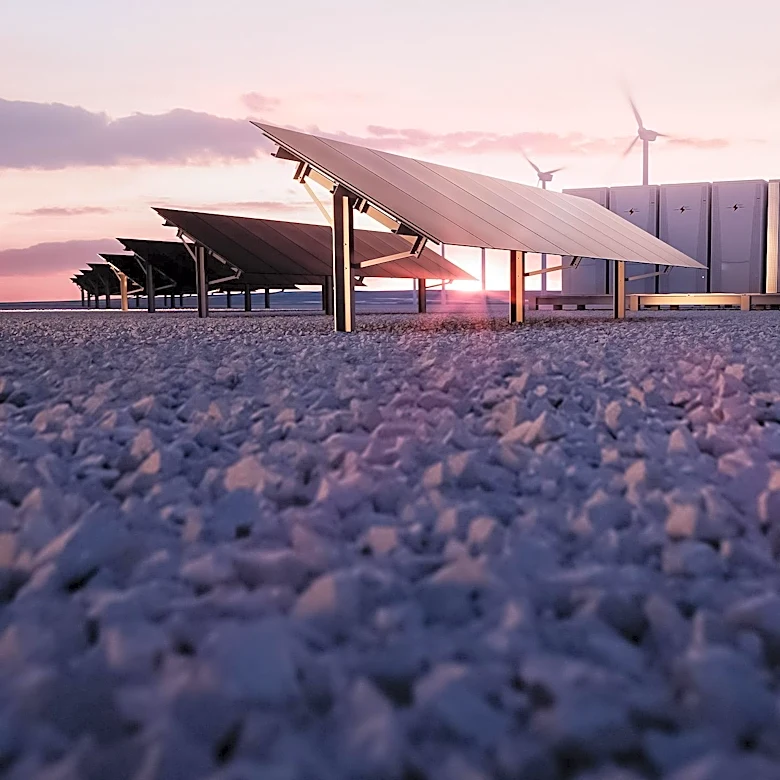
Over the next five years, the U.S. will see widespread construction and implementation of new energy infrastructure, including heavy transmission builds, distribution system network upgrades, and the deployment of utility-scale solar and offshore wind projects. Companies like First Energy Corp., Sempra Energy, NextEra Energy, and PG&E Corporation have outlined significant capital expenditure plans, focusing on various aspects from generation to transmission and distribution. These projects will require extensive coordination between utilities, regulatory bodies, and local communities. The success of these initiatives will depend on efficient project management, technological advancements, and supportive regulatory frameworks. Stakeholders, including environmental groups and consumer advocates, will likely monitor the progress and impact of these investments closely, advocating for transparency and equitable distribution of benefits and costs.
Beyond the Headlines
The unprecedented scale of these utility investments points to a fundamental re-evaluation of energy priorities in the U.S., moving beyond traditional fossil fuel reliance towards a more diversified and resilient grid. This shift has profound implications for national security, reducing dependence on volatile energy markets and strengthening critical infrastructure against cyber threats and natural disasters. It also highlights the growing influence of environmental, social, and governance (ESG) factors in corporate decision-making, as utilities increasingly prioritize sustainability and community impact. The long-term success of this transition will redefine the relationship between energy providers and consumers, fostering a more interactive and decentralized energy system. This transformation could also set a global precedent for other nations grappling with similar energy challenges, showcasing a pathway to a cleaner, more reliable energy future.