



What's Happening?
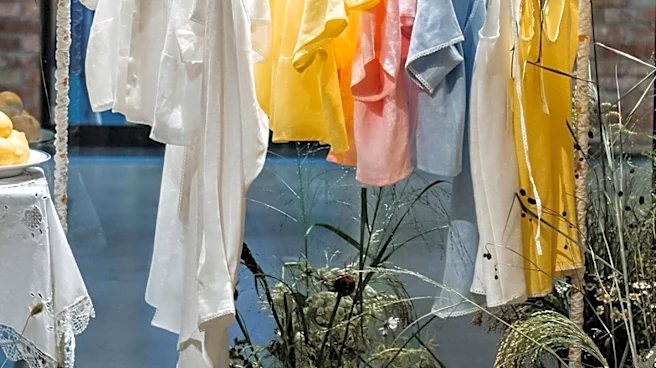
SSENSE, a Montreal-based technology platform, recently hosted its first Paris pop-up event during Paris Fashion Week. The event, dubbed 'Salon des Refusés,' brought together seven independent designers, including Kanika Agarwal, Laura Andraschko, Merrma,
LVMH prize-nominee Petra Fagerström, Rescha, Seconda, and established milliner Stephen Jones. The showcase was inspired by the 1863 Salon des Refusés, which provided a platform for artists rejected by the mainstream. SSENSE's modern interpretation aimed to champion emerging talent outside traditional fashion channels. The pop-up transitioned from an exhibition to a retail space, allowing visitors to purchase the designers' work directly. This initiative provided smaller brands with an opportunity to convert visibility into sales. The event also featured a cocktail party with a DJ set and a performance, further enhancing the experience for attendees. Additionally, SSENSE is expanding its retail offerings, including carrying the new 60-piece spring collection from Paris-based brand Turn, which has grown its wholesale accounts to 15 across Europe, North America, Japan, and Korea.
Why It's Important?
This initiative by SSENSE is significant for the fashion industry, particularly for emerging designers and the broader retail landscape. By providing a physical retail space during a high-profile event like Paris Fashion Week, SSENSE is directly addressing the challenges faced by smaller brands in gaining exposure and generating sales. The 'Salon des Refusés' concept offers a valuable platform for designers who might otherwise struggle to break into the mainstream, fostering innovation and diversity within the industry. For consumers, this means access to unique and cutting-edge fashion that might not be available through traditional retail channels. The expansion of SSENSE's retail partnerships, such as with Turn, indicates a growing trend of online platforms integrating physical experiences and broadening their curated selections. This move could influence how other e-commerce platforms engage with both established and nascent brands, potentially leading to more hybrid retail models that combine online discovery with in-person shopping opportunities. This strategy also strengthens SSENSE's position as a key player in connecting culture, community, and commerce on an international scale.
What's Next?
Following the success of its first Paris pop-up, SSENSE may explore similar physical activations in other major fashion capitals, further solidifying its role in supporting emerging talent globally. The platform is likely to continue expanding its curated selection of designers and brands, potentially integrating more exclusive collaborations and product launches. The model of turning exhibition spaces into direct retail opportunities could become a more common strategy for SSENSE, offering a tangible benefit to the designers it champions and a unique shopping experience for its customers. The continued growth of brands like Turn, now stocked by SSENSE and other major retailers, suggests a positive outlook for independent labels leveraging such platforms. SSENSE's ongoing efforts to blend online discovery with real-world engagement could set a precedent for how fashion e-commerce evolves, focusing on experiential retail and direct consumer interaction to drive sales and brand loyalty. Future initiatives might also involve deeper collaborations with fashion weeks and industry events to amplify the reach of its featured designers.
Beyond the Headlines
The 'Salon des Refusés' concept employed by SSENSE carries deeper cultural and ethical implications beyond immediate sales. By consciously echoing a historical movement that challenged artistic establishments, SSENSE positions itself as a champion of alternative voices and a disruptor of traditional fashion hierarchies. This approach can foster a more inclusive and democratic fashion ecosystem, where talent is recognized irrespective of established industry connections or financial backing. It also highlights a shift in consumer values, with a growing demand for unique, ethically sourced, and independently produced fashion. The integration of online discovery with physical retail experiences also speaks to the evolving nature of commerce, blurring the lines between digital and tangible interactions. This hybrid model could lead to a more sustainable fashion industry by promoting smaller-batch production and reducing the waste associated with mass-market trends. Furthermore, by empowering emerging designers, SSENSE contributes to the preservation of diverse craftsmanship and creative expression, ensuring that the fashion landscape remains vibrant and innovative.