






What's Happening?
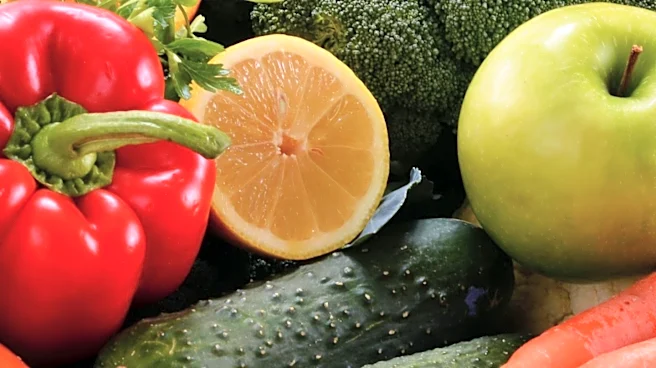
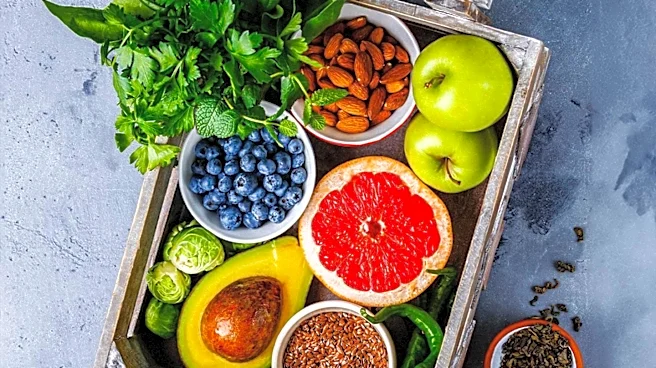
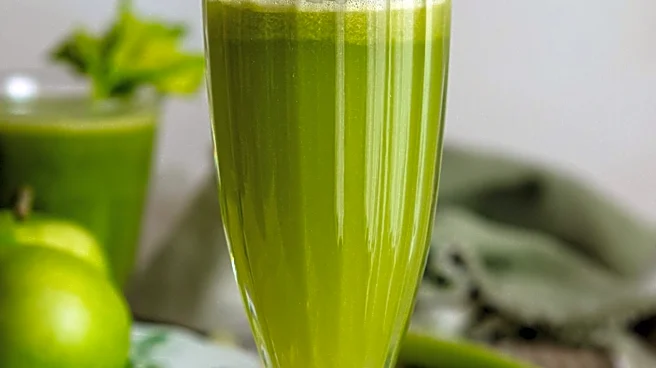
Green apples are a key ingredient in various green juice recipes, offering natural sweetness, fiber, vitamin C, and antioxidants. These benefits contribute to the overall nutritional value and flavor profile of green juices. For instance, one recipe emphasizes
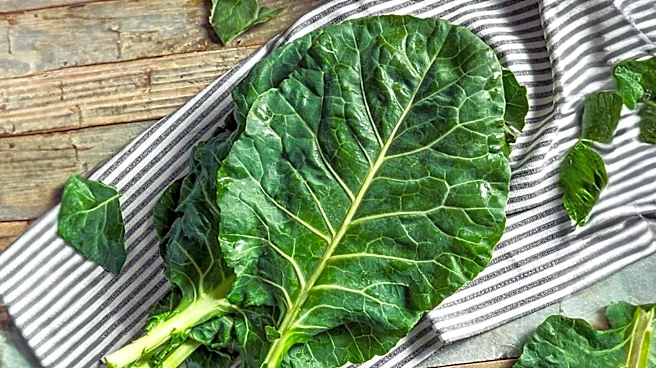
how green apples, alongside pears, balance the stronger flavors of greens like kale and spinach, creating a refreshing and naturally sweet drink. The inclusion of green apples helps to make green juices more palatable and enjoyable for a wider audience, including those who might find the taste of leafy greens too bitter. This makes green juice a versatile option for increasing daily fruit and vegetable intake, suitable for breakfast, a mid-morning boost, or post-workout recovery. The natural sweetness from green apples eliminates the need for added sugars, aligning with health-conscious dietary preferences.
Why It's Important?
The emphasis on green apples in green juice formulations is important for several reasons. Firstly, it highlights a practical approach to enhancing the nutritional intake of the U.S. population, where many individuals struggle to consume adequate amounts of fruits and vegetables. By making green juices more appealing through natural sweetness and balanced flavors, it encourages greater adoption of healthy drinking habits. Secondly, the specific nutrients provided by green apples—fiber, vitamin C, and antioxidants—are crucial for overall health, supporting immune function, digestion, and combating oxidative stress. This focus on natural ingredients and minimal processing aligns with growing consumer demand for clean-label products and whole-food nutrition. The versatility of green juice, with green apples as a core component, also offers a convenient and accessible way for individuals to incorporate a variety of beneficial ingredients into their daily routines, potentially contributing to improved public health outcomes.
What's Next?
Given the continued consumer interest in health and wellness, the trend of incorporating nutrient-dense ingredients like green apples into green juices is likely to expand. Manufacturers may explore new formulations that further leverage the natural sweetness and health benefits of green apples, potentially leading to a wider array of green juice products on the market. There could also be an increased focus on educational campaigns promoting the benefits of green juices and the role of specific ingredients like green apples in a balanced diet. As consumers become more discerning about the nutritional content of their beverages, the transparency and natural composition offered by green apple-infused green juices will likely drive further innovation and market growth. This could also lead to more home juicing, with recipes featuring green apples becoming increasingly popular.
Beyond the Headlines
Beyond the immediate health benefits, the popularity of green apples in green juices reflects a broader cultural shift towards preventative health and natural remedies in the U.S. It underscores a desire among consumers to take a more active role in their well-being through dietary choices. This trend also highlights the importance of flavor and palatability in health-food adoption; by making nutritious options taste good, the likelihood of sustained consumption increases significantly. The emphasis on ingredients like green apples, which offer both taste and nutritional value, suggests a move away from highly processed, artificial health products towards more holistic and natural approaches. This could have long-term implications for the food and beverage industry, encouraging a greater focus on whole, unprocessed ingredients and innovative ways to make healthy eating enjoyable and accessible.