



What's Happening?
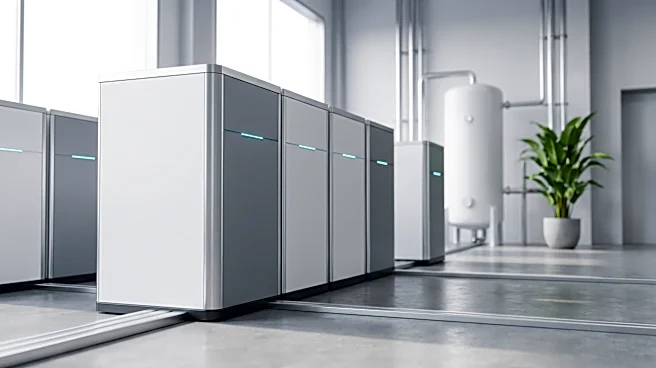
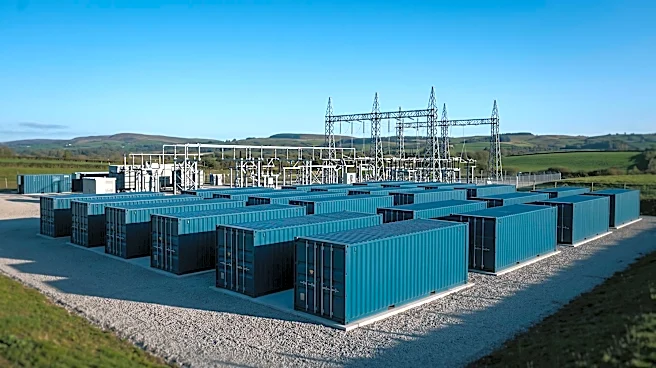
Standalone energy storage systems in the United States can qualify for the federal Investment Tax Credit (ITC) under Section 48, provided they meet specific charging and ownership requirements. This eligibility allows commercial and industrial buyers
to leverage federal incentives for battery energy storage systems (BESS), treating storage as a distinct asset class rather than merely an add-on to solar installations. The credit rate and specific eligibility criteria depend on the year the system is placed in service and the project type. For commercial and utility-scale projects, lenders and insurers typically require battery storage systems to be listed to ANSI/CAN/UL 9540, a safety standard for energy storage systems and equipment. Additionally, site-level fire code compliance, often assessed under standards like NFPA 855, is crucial for project viability and financing.
Why It's Important?
The eligibility of standalone energy storage for the federal ITC is a significant development for the U.S. energy sector, promoting the deployment of critical infrastructure for grid stability and renewable energy integration. This incentive helps reduce the capital cost of BESS projects, making them more financially attractive for businesses and utilities. By treating storage as a distinct asset, it encourages investment in technologies that can manage demand charges, facilitate time-of-use shifting, provide backup resilience, and support renewable self-consumption. This policy supports the modernization of the U.S. electricity grid, enhances energy security, and accelerates the transition to a cleaner energy future. The requirement for UL 9540 compliance and NFPA 855 adherence also underscores a commitment to safety and reliability in energy storage, which is vital for public confidence and long-term adoption.
What's Next?
Businesses and project developers considering standalone energy storage systems will need to consult with tax advisors and refer to current IRS guidance to confirm eligibility, credit rates, and specific requirements for the federal ITC. The continued evolution of energy storage technologies and their integration into the grid will likely lead to further refinements in incentive programs and regulatory standards. The emphasis on safety standards like UL 9540 and NFPA 855 will continue to shape the design, installation, and financing of BESS projects, ensuring that deployments are both economically viable and secure. The market for energy storage is expected to grow, driven by these incentives and the increasing need for grid flexibility and resilience, potentially leading to more innovative financing models and broader adoption across various sectors.
Beyond the Headlines
The recognition of standalone energy storage as a distinct asset class eligible for federal tax credits signifies a maturing understanding of its role in the broader energy ecosystem. This move goes beyond simply supporting renewable energy generation; it acknowledges the critical need for energy management and grid optimization. The long-term implications include a more resilient and efficient national grid, reduced reliance on fossil fuel peaker plants, and enhanced integration of intermittent renewable sources like solar and wind. This policy also fosters innovation in battery technology and energy management systems, creating new economic opportunities and jobs in the clean energy sector. The focus on safety standards also highlights the increasing scale and complexity of energy storage deployments, necessitating robust regulatory frameworks to ensure safe and sustainable growth.