






What's Happening?
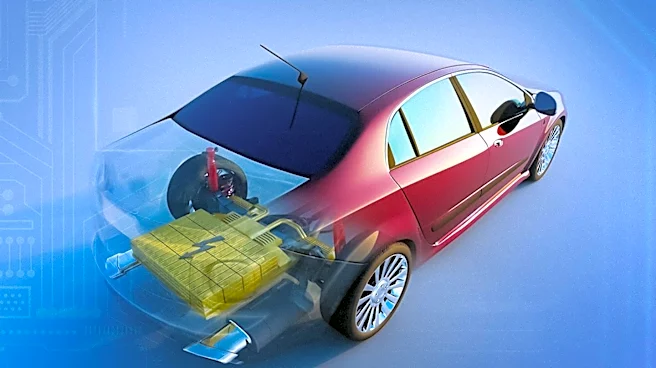
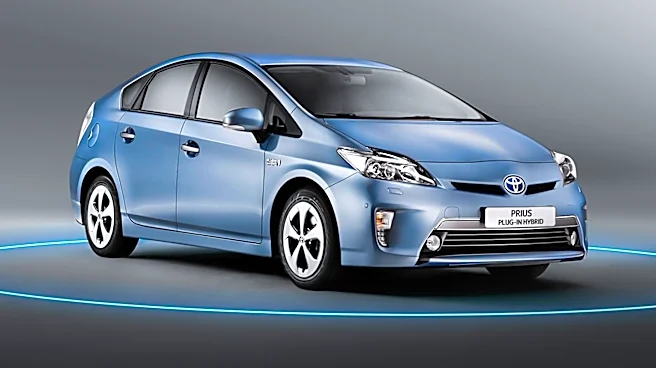
The automotive industry is witnessing a shift towards practical electrification, with hybrid vehicles becoming increasingly popular among consumers. Automakers are responding to this demand by expanding their hybrid vehicle lineups, offering a balance
between traditional gasoline and fully electric vehicles. This trend is driven by consumers' desire for lower emissions and better fuel economy without drastically altering their driving habits. Manufacturers are focusing on extending existing vehicle platforms with hybrid powertrains rather than launching entirely new models. This approach not only satisfies changing consumer demands but also improves return on investment by extending the longevity of vehicle platforms. The emphasis is on providing technologies that enhance everyday driving experiences while requiring minimal lifestyle adjustments.
Why It's Important?
The growing popularity of hybrid vehicles signifies a shift in consumer preferences towards more practical and flexible solutions in the automotive industry. This trend is important as it reflects a broader consumer desire for risk-free innovation and practical value over technological excitement. Hybrid vehicles offer the benefits of electrification while allowing consumers to maintain familiar driving behaviors, thus reducing perceived adoption risks. This shift is also economically significant, as it encourages measured consumer decisions in uncertain economic times. By focusing on practical innovation, automakers can strengthen consumer confidence and drive adoption of electrified vehicles, ultimately supporting the industry's transition towards sustainable mobility.
What's Next?
As hybrid vehicles continue to gain traction, automakers are likely to further expand their hybrid offerings across various vehicle segments. This expansion will be accompanied by efforts to improve consumer education on the benefits of hybrid technology, including fuel savings and reduced emissions. Additionally, manufacturers may focus on enhancing the ownership experience through transparent information about maintenance, battery warranties, and long-term ownership costs. The industry may also see increased collaboration with energy and infrastructure sectors to support the gradual expansion of charging infrastructure, positioning hybrid vehicles as complementary solutions in the transition to full electrification.