







What's Happening?
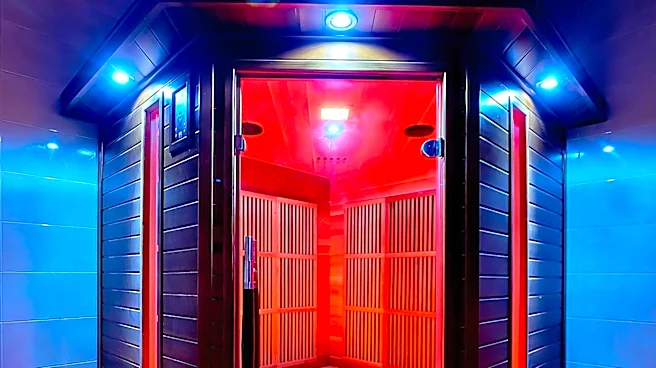
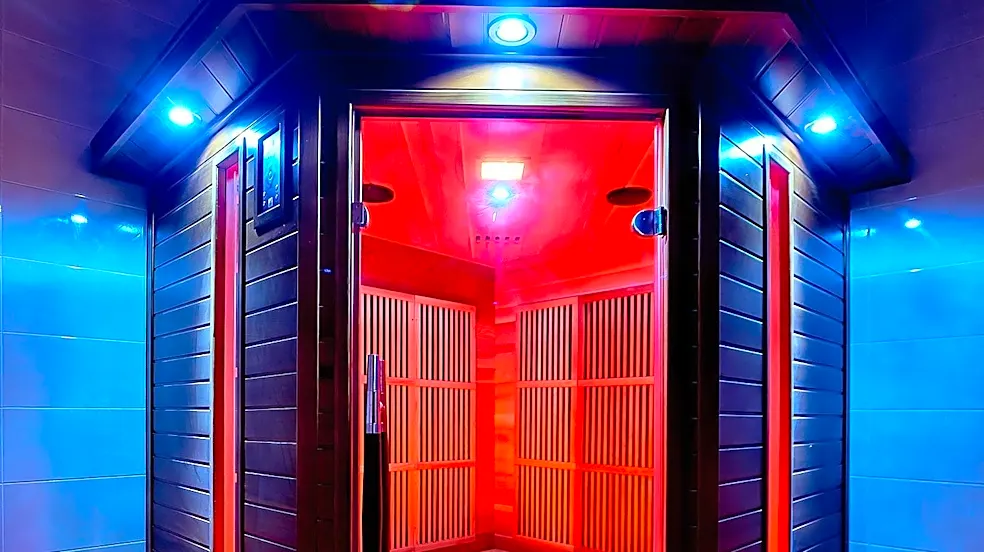
Infrared saunas are gaining popularity as a gentler alternative to traditional saunas, utilizing light panels to directly warm the body rather than heating the surrounding air. This method allows for a more accessible sweat session, particularly for individuals
who find the high temperatures of traditional saunas overwhelming. Many home recovery setups now combine infrared saunas with cold plunge units to facilitate regular contrast therapy sessions. Unlike traditional Finnish saunas, which operate at around 90 degrees Celsius and rely on water thrown onto heated rocks to create steam, infrared saunas maintain a lower temperature, typically up to 65 degrees Celsius, providing a deep, comfortable warmth. This technology is being integrated into various wellness studios and home units, making heat therapy more convenient and widely available for daily use.
Why It's Important?
The rise of infrared saunas signifies a shift in wellness practices towards more accessible and less intense heat therapy options. This development is important for the health and wellness industry, as it broadens the appeal of sauna use to a wider demographic, including those new to heat therapy or seeking post-training recovery with less physical strain. The integration of infrared saunas with cold plunge units for contrast therapy highlights a growing trend in holistic recovery methods, offering benefits such as improved heart function, muscle recovery, and detoxification. For consumers, this means more choices in how they approach heat therapy, with options that can be easily incorporated into home environments, reducing the need for external wellness studio visits. This trend also supports the market for home wellness equipment, driving innovation and product availability in this sector.
What's Next?
The market for infrared saunas and complementary wellness products, such as cold plunge units, is expected to continue expanding. Manufacturers will likely focus on developing more compact, energy-efficient, and user-friendly home sauna systems to meet increasing consumer demand. Wellness studios will continue to integrate infrared sauna therapy into their service offerings, potentially developing specialized programs that combine heat therapy with other recovery modalities. There may also be further research into the specific health benefits of infrared heat compared to traditional saunas, which could lead to more targeted applications and recommendations. The growing interest in at-home wellness solutions suggests a sustained trend towards personalized and convenient health practices, with infrared saunas playing a significant role.
Beyond the Headlines
The increasing adoption of infrared saunas reflects a broader cultural emphasis on self-care and preventative health. This trend moves beyond mere relaxation, positioning heat therapy as a vital component of a comprehensive wellness routine. The gentler nature of infrared saunas also addresses concerns about accessibility and comfort, making wellness practices more inclusive. Furthermore, the pairing of infrared saunas with cold plunges for contrast therapy underscores a holistic approach to physical and mental resilience, training the body to adapt to environmental stressors. This integration of ancient thermal rituals with modern technology highlights an evolving understanding of human physiology and the pursuit of optimal health through balanced and intentional practices.