








What's Happening?
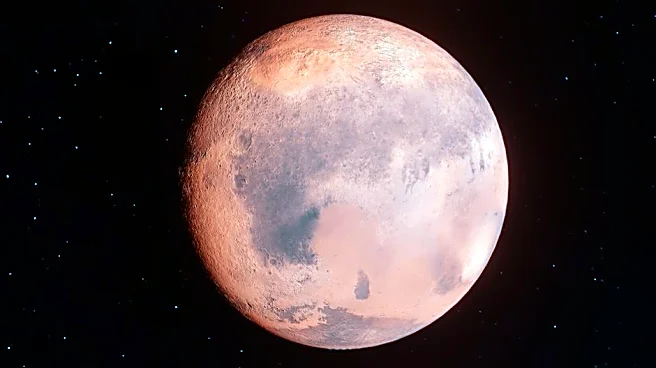
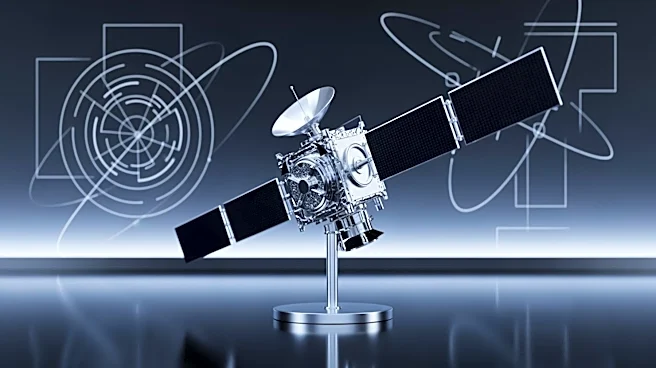
NASA has announced a partnership with Relativity Space to design, build, and launch the next Mars orbiter, scheduled for 2028. The spacecraft will carry NASA's Aeolus instrument suite, which will provide daily measurements of Mars' global environment,
including dust, cloud cover, winds, and temperatures. This partnership is part of NASA's strategy to leverage commercial innovation and investment to enhance scientific discovery. The Aeolus mission aims to refine scientific models of the Martian atmosphere and support future robotic and crewed missions to Mars.
Why It's Important?
The collaboration between NASA and Relativity Space represents a significant step in the agency's efforts to engage private industry in space exploration. By partnering with commercial companies, NASA can focus its resources on scientific discovery while benefiting from innovative technologies and cost efficiencies. The Aeolus mission will provide critical data to improve our understanding of Mars' atmosphere, which is essential for planning future missions. This partnership also highlights the growing role of private companies in advancing space exploration and supporting NASA's long-term goals.
What's Next?
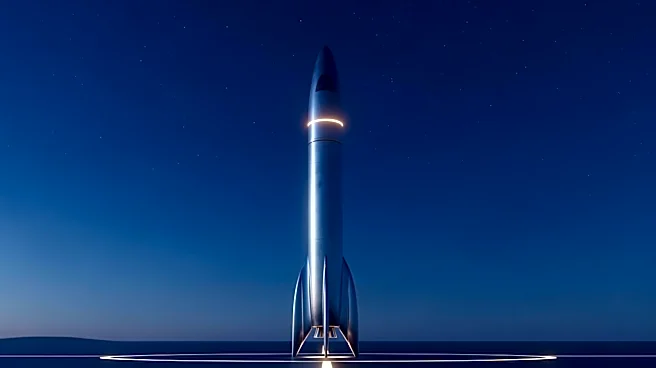
Relativity Space will begin developing the spacecraft and launch vehicle for the Aeolus mission, with NASA providing the scientific instruments and data processing support. The mission is scheduled for launch in 2028, with NASA committed to supporting scientific operations for at least one Martian year. The data collected by Aeolus will be made publicly available, contributing to global research efforts. As the partnership progresses, stakeholders will be monitoring the development of the mission and its impact on future Mars exploration initiatives.