
What's Happening?
Many law firms are re-evaluating their need for large, expensive office spaces in the wake of the COVID-19 pandemic, which normalized remote and hybrid work models. Historically, impressive offices were
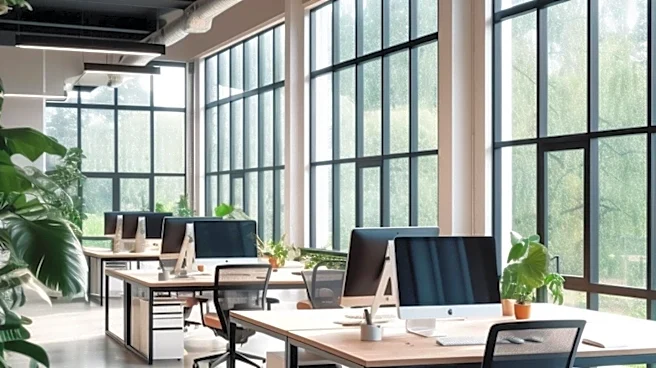
seen as a symbol of success and a way to impress clients. However, the pandemic demonstrated that much legal work can be performed remotely, and clients have become accustomed to virtual meetings. Despite this shift, many firms continue to commit substantial funds to extensive office real estate. One law firm recently downsized its office, finding no negative impact on operations, client service, or attorney productivity, but significantly reduced overhead costs. While some firms have legitimate reasons for large spaces, such as frequent in-person meetings or a large workforce, the inflexibility and high cost of long-term leases are prompting a re-assessment of traditional office needs in the legal profession.
Why It's Important?
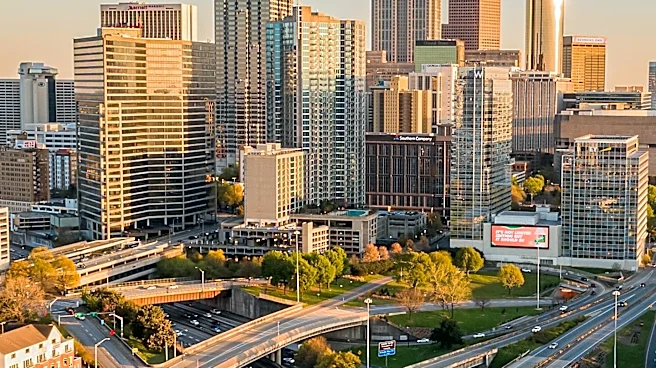
This re-evaluation of office space by law firms has significant implications for the commercial real estate market and the broader business landscape in the U.S. A sustained trend of downsizing or optimizing office footprints by law firms could lead to increased vacancy rates in prime urban real estate, potentially impacting property values and rental markets. For law firms themselves, reducing real estate overhead can free up substantial capital that can be reinvested in technology, talent development, or client services, enhancing competitiveness. It also reflects a broader shift in corporate culture towards flexibility and efficiency, challenging long-held assumptions about the necessity of physical presence for productivity and prestige. This trend could influence other professional service industries to reconsider their own real estate strategies, contributing to a more dynamic and adaptable commercial property market.
What's Next?
The legal profession is likely to see a continued trend of office space optimization, with more firms adopting hybrid models and seeking smaller, more flexible office solutions. This may involve a move towards co-working spaces, shared office models, or simply reducing the overall square footage per employee. Commercial real estate developers and landlords will need to adapt by offering more flexible lease terms, customizable office layouts, and amenities that cater to hybrid workforces. Law firm leaders will increasingly need to justify large real estate expenditures against the tangible benefits of in-person collaboration, client perception, and employee well-being. The decision-making process will likely become more data-driven, analyzing actual office utilization rates and the impact of remote work on firm culture and productivity. This ongoing re-evaluation could lead to a permanent shift in how law firms, and potentially other professional services, view and utilize physical office space.
Beyond the Headlines
Beyond the immediate financial and logistical considerations, the shift in law firm office strategies touches upon deeper cultural and psychological aspects of the legal profession. The traditional image of a successful lawyer often included a prestigious office, symbolizing status and stability. Moving away from this model challenges ingrained perceptions of professionalism and success. It also raises questions about mentorship and firm culture in a hybrid environment, as spontaneous interactions and informal learning opportunities may decrease. Law firms will need to intentionally cultivate culture and provide mentorship through new strategies. Furthermore, the environmental impact of reduced office footprints, such as lower energy consumption and less commuting, could contribute to broader sustainability goals. This evolution reflects a broader societal trend towards valuing flexibility and work-life balance over traditional corporate structures, potentially reshaping the very identity of the legal professional in the 21st century.