

What's Happening?
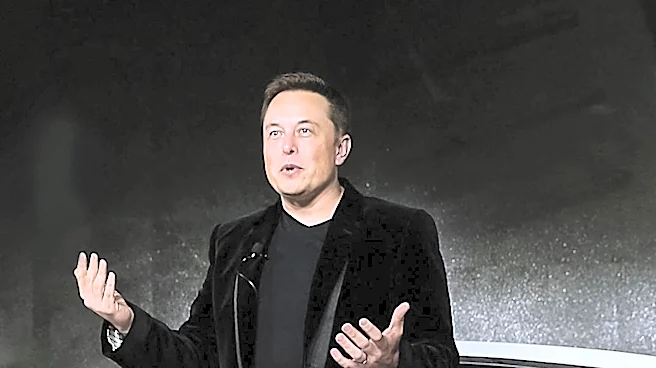
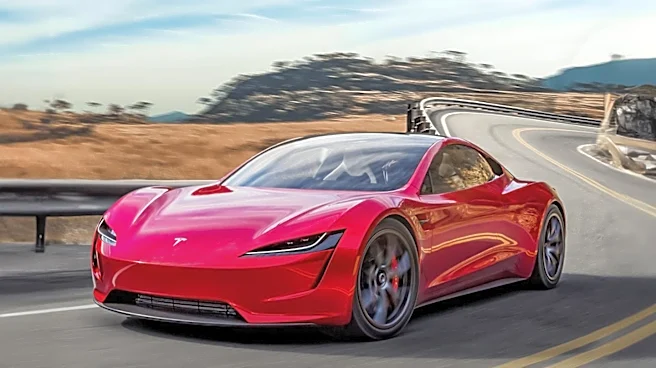
Tesla has officially unveiled the next generation of its Roadster at a SpaceX test facility in McGregor, Texas, on October 15, 2026. The presentation, live-streamed, showcased the vehicle's advanced capabilities, including its ability to drive upside
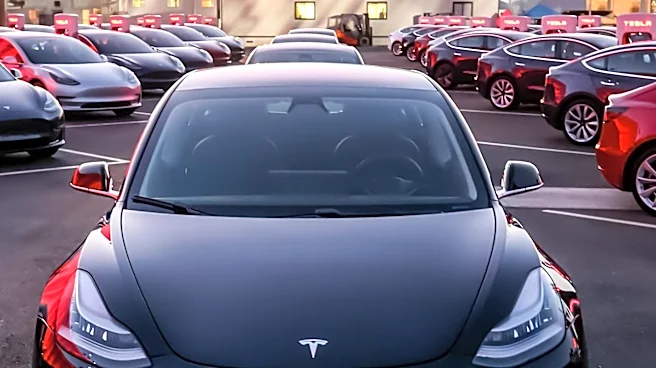
down on a ramp using suction fans and perform mid-air pivots with cold gas thrusters before landing. The Roadster also demonstrated jumping over other Tesla vehicles. Elon Musk announced that production for the new Roadster is scheduled to begin in 2028. This marks a significant development following the initial concept reveal in November 2017, with production having faced multiple delays from its original 2020 target. The design has been updated from the 2017 prototype, now featuring a 'Cyber' aesthetic inspired by the Cybertruck, Cybercab, and aircraft like the SR-71 Blackbird and F-35. Key design elements include hidden headlights, a full-width rear light strip, and flush aerodynamic parts. The interior boasts a Yoke steering wheel with electronic steering, a central screen, and two smaller screens for the driver. Lightweight materials such as magnesium, titanium, and carbon fiber are used in its construction. Lars Moravy, Vice President of Vehicle Engineering at Tesla, confirmed the Roadster accelerates from 0 to 60 mph in under 1 second and reaches speeds over 230 mph.
Why It's Important?
The unveiling of Tesla's new Roadster, particularly with its integration of SpaceX-developed thruster technology, signifies a major leap in automotive engineering and performance. This development could redefine expectations for electric vehicle capabilities, pushing the boundaries of speed, maneuverability, and design. For the U.S. automotive industry, it highlights Tesla's continued innovation leadership, potentially spurring competitors to accelerate their own advanced EV research and development. The use of SpaceX technology also underscores the growing synergy between Elon Musk's ventures, showcasing how aerospace advancements can be applied to terrestrial transportation. This could attract new talent and investment into the U.S. tech and automotive sectors, reinforcing the nation's position at the forefront of technological innovation. Furthermore, the Roadster's extreme performance metrics, such as accelerating from 0 to 60 mph in under 1 second, could set new benchmarks for sports cars, influencing future design and engineering trends across the global automotive market. The delays in production, however, also highlight the challenges of bringing such cutting-edge technology to market, which could impact consumer confidence and market timelines for other ambitious projects.
What's Next?
Following the unveiling, the immediate next step for Tesla is to move towards the announced production start in 2028. This will involve finalizing manufacturing processes, supply chain logistics, and regulatory approvals, especially concerning the cold gas thruster system, which Tesla acknowledges might not be legal in all countries. The company will likely continue to refine the vehicle's design and performance, potentially conducting further public demonstrations or releasing more detailed specifications as the production date approaches. Stakeholders, including potential buyers, investors, and competitors, will closely monitor Tesla's progress in meeting this ambitious timeline. The automotive industry will be watching to see how the market reacts to a vehicle with such extreme performance and advanced features, particularly its price point and accessibility. Regulatory bodies will also need to assess the implications of the Roadster's unique propulsion and aerodynamic systems, potentially leading to new guidelines or classifications for high-performance electric vehicles. The successful launch of the Roadster could further solidify Tesla's market dominance in the high-performance EV segment and influence future vehicle design and engineering across the industry.
Beyond the Headlines
The new Tesla Roadster's integration of SpaceX thruster technology raises profound questions about the future of automotive design and the blurring lines between different technological sectors. The concept of a car capable of driving upside down and performing mid-air maneuvers challenges conventional notions of vehicle safety, road infrastructure, and even urban planning. Ethically, the deployment of such high-performance, potentially 'flying' vehicles could necessitate a re-evaluation of traffic laws, driver training, and emergency response protocols. The legal implications are significant, as Tesla itself notes the thruster system might not be universally legal, suggesting a complex regulatory landscape ahead. Culturally, the Roadster could symbolize a new era of personal transportation, moving beyond mere commuting to offer an experience akin to science fiction. This development could also accelerate public acceptance and demand for more advanced, albeit less extreme, autonomous and electric vehicle technologies. The long-term shift could see a greater emphasis on multi-modal transportation solutions and a redefinition of what constitutes a 'car,' pushing the boundaries of what is technically feasible and socially acceptable in personal mobility.