







What's Happening?
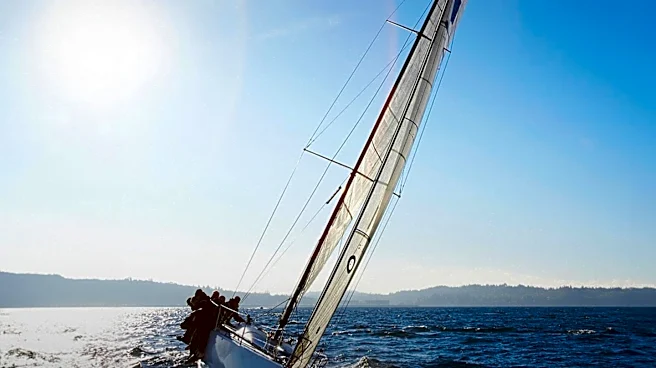
Split, Croatia, is set to host one of the largest university sailing events globally, the FISU World University Championship Sailing, from September 28 to October 2. The event will bring together student-athletes from 15 countries, representing 40 universities
across four continents. This championship is part of a larger festival of sailing in Split. The competition will take place at ACI Marina Bay, with facilities provided by Sailing Club Mornar Split. Split, known for its rich sporting identity and 98 Olympic medalists, is described as one of the most sport-oriented cities in the world. The University of Split, established in 1974, will be a key host institution. Teams from various nations, including Australia, Austria, Canada, Germany, Spain, Italy, Malaysia, Republic of Korea, Japan, Hungary, Singapore, Poland, Norway, Czechia, and the host nation Croatia, are preparing to compete. Many teams, such as Canada, are returning with a strong desire for redemption after previous close finishes.
Why It's Important?
This international university sailing championship holds significant importance for the global sports community and participating nations, including the U.S. (though not explicitly mentioned as a participant, such events foster international athletic development). It provides a unique platform for student-athletes to compete at a high level, fostering sportsmanship, cultural exchange, and academic excellence. For the host city of Split, the event boosts its international profile as a premier sports destination and contributes to its local economy through tourism and event-related services. The championship also highlights the growing trend of sailing within the FISU program, indicating increasing global participation and interest in university-level water sports. The diverse representation of countries and universities underscores the event's role in promoting international cooperation and understanding through competitive sport. For the athletes, it's an opportunity to gain invaluable experience, test their skills against global peers, and potentially advance their sailing careers.
What's Next?
Over the next few days, the focus will be on the commencement of the FISU World University Championship Sailing in Split. Teams will engage in final preparations, including practice runs and equipment checks, before the official start of the competition on September 28. The championship will feature several days of intense racing, culminating in the determination of medal winners on October 2. Beyond the immediate competition, the event is expected to generate significant media coverage, with updates available on the official event website and social media channels. The results and highlights will be closely followed by the international university sports community and sailing enthusiasts. The success of this championship will likely influence future decisions regarding the hosting of similar events and the continued expansion of sailing within the FISU program. Participating universities and national sailing federations will use the experience gained to further develop their student-athlete programs and strategies for future competitions.
Beyond the Headlines
Beyond the immediate competitive aspect, the FISU World University Championship Sailing in Split represents a deeper commitment to holistic student development. University sports, particularly at an international level, emphasize not only athletic prowess but also academic achievement, leadership, and cross-cultural understanding. The gathering of students from diverse backgrounds fosters a unique environment for networking and building global relationships, which can have long-term benefits for participants' personal and professional lives. The event also serves as a testament to the enduring appeal of sailing as a sport that combines physical skill, strategic thinking, and an appreciation for the natural environment. Furthermore, the championship's location in Split, a city with a rich maritime history, reinforces the cultural significance of sailing and its connection to coastal communities. This event contributes to the broader narrative of sports diplomacy, where international competitions act as bridges between nations, promoting peace and mutual respect.