
What's Happening?
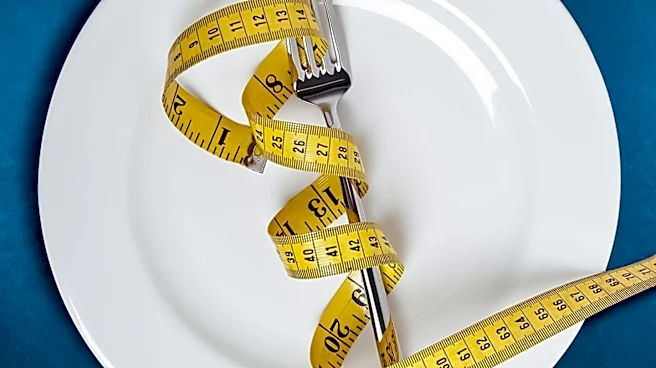
Pastor Mark Driscoll, who leads Trinity Church in Scottsdale, Arizona, recently addressed the question of whether obesity should disqualify pastors from ministry during an episode of his eponymous podcast.
Driscoll suggested that obesity among pastors, particularly within some Baptist traditions, could be viewed as a result of a tolerated vice. He referenced biblical passages such as 1 Timothy 3 and Titus 1, which state that a pastor must be self-controlled and not addicted to much wine, interpreting these as general calls for a life of self-control and freedom from addictions. Driscoll also noted that the Bible discusses gluttony more extensively than many pastors acknowledge. He recounted an incident at an unnamed Baptist seminary where his informal remarks about Baptist pastors and their weight were not well-received. While acknowledging he is not the 'fittest person,' Driscoll suggested that if a pastor cannot see their Bible when dropped due to their stomach, they should consider improving their health. He also highlighted how different Christian traditions tolerate or forbid various vices, leading to varied health outcomes among their clergy.
Why It's Important?
This discussion by Pastor Mark Driscoll is important as it touches upon the intersection of religious leadership, personal health, and theological interpretation within American Christianity. By linking obesity to a lack of self-control and a biblical understanding of gluttony, Driscoll challenges prevailing attitudes within some denominations regarding the physical well-being of their spiritual leaders. This could spark broader conversations within religious communities about the holistic health of clergy, potentially influencing seminary curricula, pastoral care programs, and congregational expectations. The Centers for Disease Control and Prevention (CDC) data on obesity prevalence in American adults underscores the widespread nature of the issue, making Driscoll's comments relevant to a significant portion of the population, including religious leaders. The debate could also highlight differing interpretations of biblical teachings on self-control and vice, potentially leading to internal theological discussions and shifts in how physical health is perceived within the context of spiritual leadership. Furthermore, the anecdotal observation about varying health standards across different Christian traditions points to a cultural dimension within American religious practice that could be further explored.
What's Next?
The discussion initiated by Pastor Mark Driscoll could lead to increased dialogue within various Christian denominations regarding the physical health of their clergy. Seminaries and religious institutions might re-evaluate their wellness programs and pastoral training to include a greater emphasis on physical self-care, potentially integrating health and nutrition into their curriculum. Individual pastors and congregations may also reflect on the implications of Driscoll's comments, leading to personal health initiatives or community-wide wellness programs. There could be further theological debates on the interpretation of biblical passages concerning self-control, gluttony, and their application to modern pastoral ministry. Additionally, the conversation might prompt a broader examination of cultural norms within different Christian traditions that either tolerate or discourage certain lifestyle choices, potentially influencing future denominational policies or guidelines for ministerial conduct and well-being.
Beyond the Headlines
Beyond the immediate discussion of pastoral obesity, Driscoll's comments tap into deeper ethical and cultural dimensions within American religious life. The emphasis on 'self-control' as a biblical mandate for leadership raises questions about the societal pressures on religious figures to embody ideals of discipline, not just spiritually but also physically. This can lead to a nuanced discussion about the role of personal responsibility versus systemic factors in health outcomes, especially given the CDC's acknowledgment of obesity as a complex chronic disease influenced by genetics, environment, and stress. The differing tolerances for vices across Christian traditions, as noted by Driscoll, highlights the cultural diversity within American Christianity and how these cultural norms shape the lived experiences and expectations of clergy. This conversation could also inadvertently contribute to body shaming or stigmatization within religious communities if not handled with sensitivity, underscoring the need for a balanced approach that promotes health without judgment. Ultimately, it prompts a re-evaluation of what constitutes 'fitness' for ministry in a contemporary context, moving beyond purely spiritual qualifications to include physical and mental well-being.