








What's Happening?
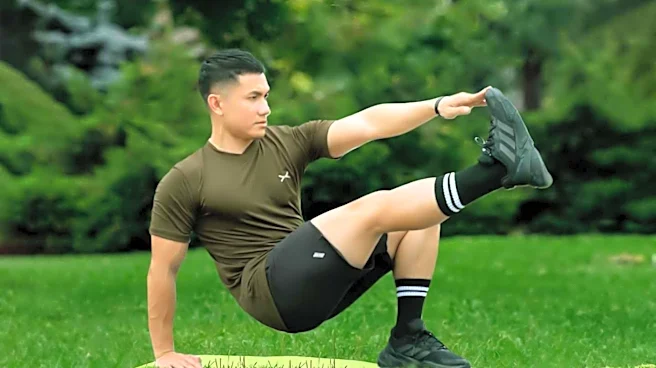
Mobility and flexibility training is gaining attention as a crucial component of fitness, focusing on improving joint range of motion and stability through targeted exercises. This type of training involves assessing and enhancing both flexibility, which
is the passive range of motion, and mobility, which combines active range of motion with stability. Specialists in this field identify movement restrictions and prescribe exercises to restore function and prevent injuries. The training is applicable across various settings, including personal training studios, sports teams, and corporate wellness programs. The goal is to improve overall movement efficiency, reduce injury risk, and enhance performance.
Why It's Important?
The significance of mobility and flexibility training lies in its potential to prevent injuries and improve overall physical performance. By enhancing joint health and movement efficiency, individuals can perform daily activities with greater ease and less discomfort. This training is particularly beneficial for athletes and older adults, as it helps maintain independence and reduces the risk of falls and injuries. Additionally, improved mobility can lead to better posture, reduced muscle tension, and enhanced athletic performance, making it a valuable component of any fitness regimen.
What's Next?
As awareness of the benefits of mobility and flexibility training grows, it is likely to become a more integral part of fitness programs. Fitness professionals may increasingly incorporate these exercises into their routines, and individuals may seek specialized training to address specific movement restrictions. The development of new techniques and tools to assess and improve mobility will continue to evolve, offering more personalized and effective solutions for individuals seeking to enhance their physical health.
Beyond the Headlines
The focus on mobility and flexibility training highlights a shift towards a more holistic approach to fitness, emphasizing the importance of functional movement and injury prevention. This approach aligns with broader trends in health and wellness, where the emphasis is on maintaining long-term health and well-being rather than short-term performance gains. As more people recognize the value of mobility training, it may lead to a cultural shift in how fitness is perceived and practiced.