

What's Happening?
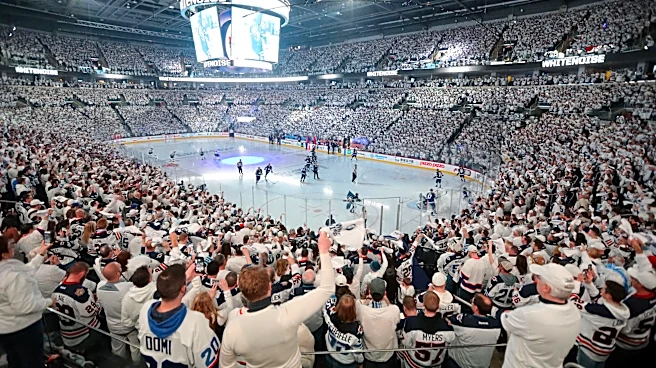
As the 2026-27 NHL season reaches its quarter-point, league-wide attendance figures show a modest 0.2 percent increase in average attendance, but a slight decline in sellouts. Approximately 57 percent of games have been reported as sellouts, a decrease
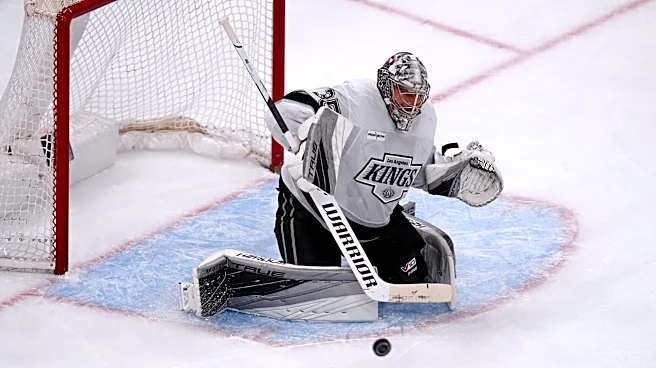
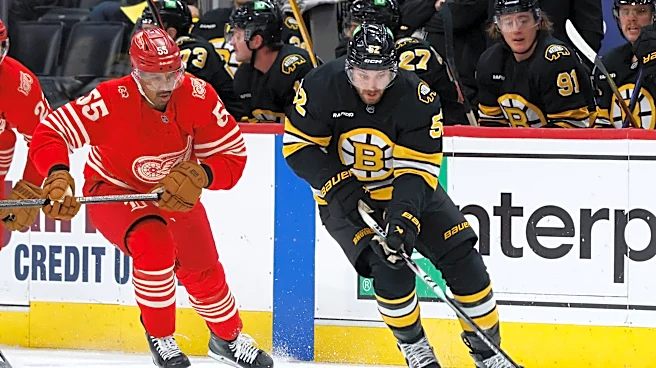
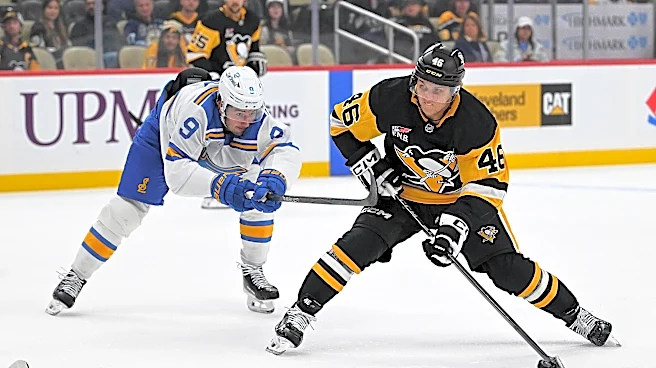
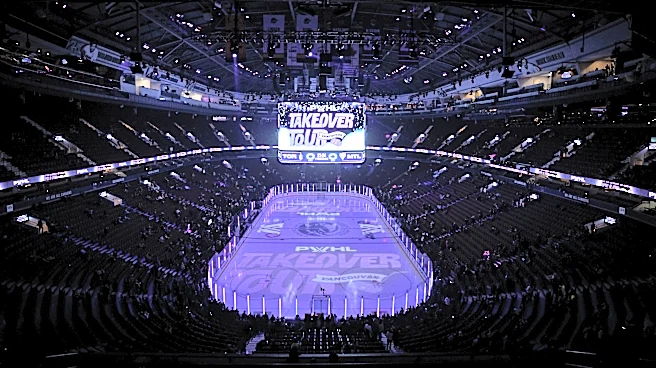
from 59 percent at the same point last season, representing nine fewer sold-out games. While many teams continue to sell out most of their games, some traditional strongholds and even top-performing teams like Edmonton and Vegas have seen declines in sellouts. Conversely, teams like the Buffalo Sabres are experiencing increased excitement and attendance following a strong previous season, and Toronto is benefiting from optimism surrounding first-overall pick Gavin McKenna. Declines in attendance for teams such as Detroit, Vancouver, Columbus, and the New York Islanders are largely attributed to chronic low performance and failure to qualify for playoffs in recent seasons. The LA Kings are also experiencing a drop-off despite a strong finish last season, due to a slow start this year.
Why It's Important?
Attendance figures are a key indicator of a sports league's health and fan engagement, directly impacting revenue streams from ticket sales, concessions, and merchandise. While the overall average attendance shows a slight increase, the decline in sellouts suggests a potential softening in demand in certain markets or for specific teams. This trend could prompt teams and the league to re-evaluate marketing strategies, ticket pricing, and fan experience initiatives. For U.S. teams, maintaining strong attendance is crucial for local economic impact, supporting jobs, and generating tax revenue. The correlation between team performance and attendance highlights the importance of on-ice success in sustaining fan interest. Teams experiencing declines may face financial pressures, potentially affecting their ability to invest in player talent or arena improvements. The slight dip in sellouts, even with an overall attendance increase, signals a need for vigilance in maintaining fan enthusiasm.
What's Next?
NHL teams and the league will likely continue to monitor attendance trends closely as the season progresses, particularly at the halfway point. Teams with declining attendance, especially those with poor on-ice performance, may implement promotional offers or fan engagement events to attract more spectators. For example, Calgary, playing its final season at the Saddledome, might see an attendance increase as the season advances, despite its current performance. The league will analyze whether the current trends are temporary fluctuations or indicative of broader shifts in fan behavior. Strategies could include enhanced game-day experiences, community outreach, and targeted marketing campaigns. The performance of star players and the excitement generated by playoff races in the latter half of the season will be critical in potentially reversing the current slight decline in sellouts and boosting overall attendance figures.
Beyond the Headlines
The nuanced attendance data, showing a slight increase in average attendance but a decrease in sellouts, points to a complex dynamic in fan engagement. It suggests that while more people might be attending games overall, the consistent, high-demand sellout crowds are becoming less frequent in some areas. This could reflect changing consumer habits, where fans are more selective about which games they attend, or it could indicate economic pressures affecting discretionary spending on entertainment. The impact of streaming services and home viewing experiences also plays a role, as fans have more options to consume content. For the NHL, understanding these underlying factors is crucial for long-term strategic planning, including arena development, broadcast rights negotiations, and fan loyalty programs. The data also underscores the challenge of maintaining consistent fan enthusiasm across all markets, especially for teams that are not consistently performing at a high level, highlighting the cyclical nature of sports fandom.