








What's Happening?
AT&T CEO John Stankey recently outlined the company's strategic direction, emphasizing fiber and 5G convergence, targeted fiber acquisitions, and an expanding role in connecting AI workloads across various networks and cloud platforms. This announcement
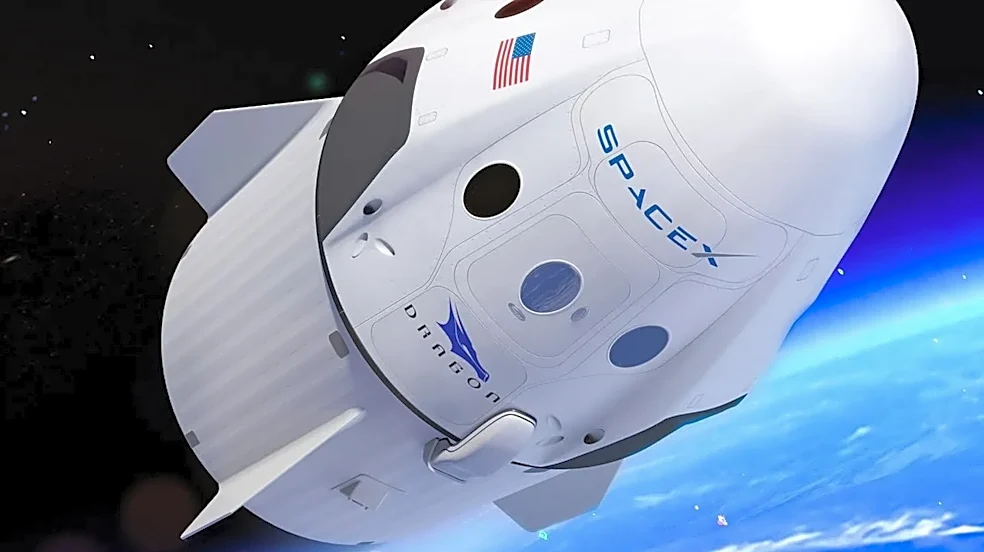
coincided with AT&T reporting a strong Q3 performance. During this period, Stankey also directly addressed the competitive landscape, specifically pushing back against the notion of Starlink, SpaceX's satellite internet constellation, posing a significant terrestrial threat to AT&T's core business. His comments suggest a clear differentiation in the perceived market segments and capabilities of satellite internet versus AT&T's established infrastructure. The company's strategy appears to be focused on leveraging its existing and expanding fiber and 5G assets to meet evolving connectivity demands, particularly in areas requiring high-capacity and low-latency connections for advanced applications like AI.
Why It's Important?
This development is important for the telecommunications industry and its stakeholders, including investors, consumers, and competitors. Stankey's remarks highlight the ongoing debate about the role of low Earth orbit (LEO) satellite internet services like Starlink in the broader connectivity market. While LEO satellites are often touted for their potential to bridge the digital divide in rural and underserved areas, AT&T's stance suggests that these services may not be a direct substitute for established terrestrial networks, especially in urban and suburban environments where the majority of data traffic originates indoors. This perspective could influence investment decisions in both satellite and fiber infrastructure, shaping the future of internet access and competition. For consumers, it could mean continued reliance on traditional providers for high-performance connectivity, while LEO services might primarily serve niche markets.
What's Next?
In the near future, AT&T is expected to continue executing its strategy of fiber and 5G expansion, alongside selective fiber acquisitions. The company's focus on integrating AI workloads across its networks and clouds indicates a move towards higher-value services and enterprise solutions. The ongoing competition between traditional telecom providers and emerging satellite internet services will likely intensify, with each vying for market share in their respective target segments. Regulatory bodies may also face increasing pressure to define the competitive landscape and ensure fair practices as these different technologies mature and expand. AT&T's continued strong financial performance, as indicated by its Q3 results, will be crucial in funding these strategic initiatives and maintaining its competitive position.
Beyond the Headlines
Beyond the immediate competitive dynamics, Stankey's comments touch upon a fundamental shift in how connectivity is perceived and delivered. The distinction between 'terrestrial threat' and 'complementary service' for LEO satellites highlights the evolving nature of internet infrastructure. This could lead to a more segmented market where different technologies cater to specific needs – fiber for high-density urban areas and enterprise, 5G for mobile and edge computing, and LEO satellites for remote and rural connectivity. This segmentation could also raise questions about digital equity and access, as the quality and cost of internet service might vary significantly based on geographic location and available infrastructure. The long-term implications could involve a hybrid connectivity ecosystem, where various technologies interoperate to provide ubiquitous, albeit differentiated, internet access.