


What's Happening?
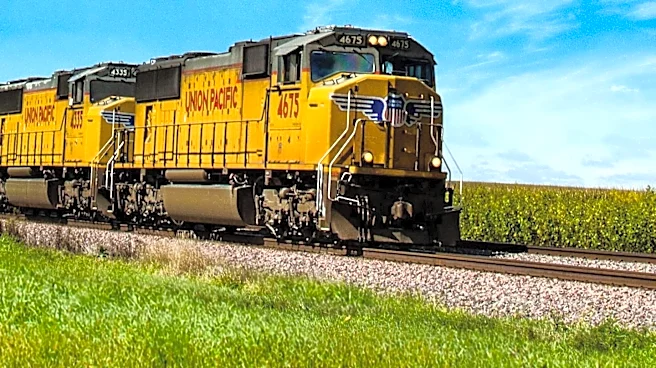
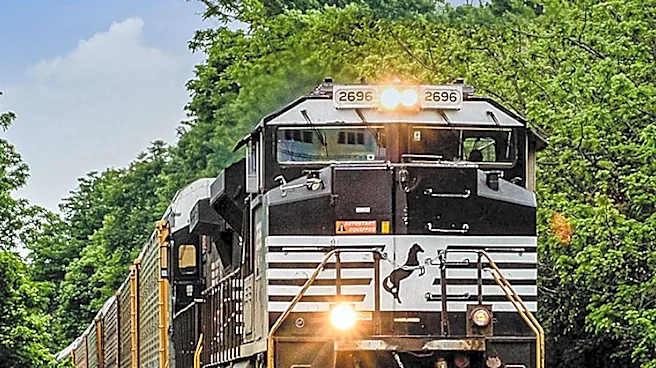
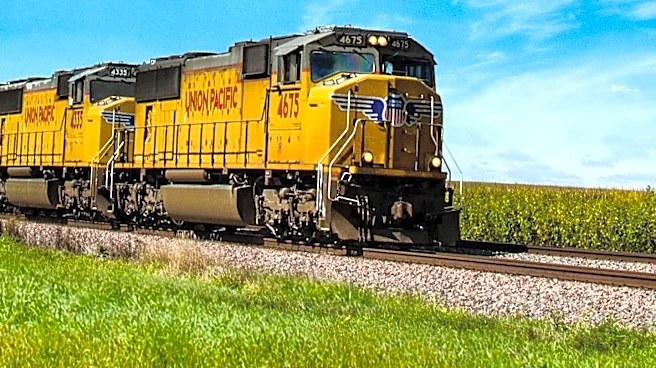
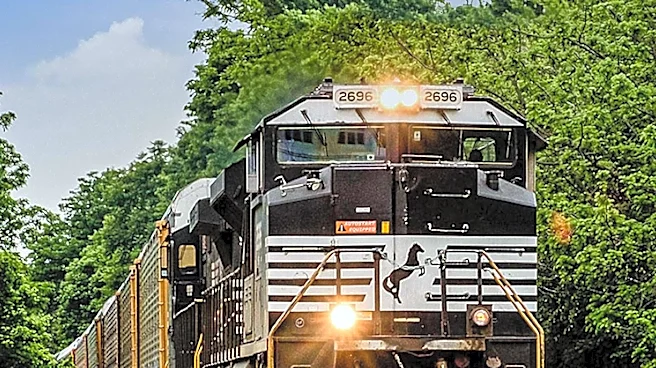
Union Pacific CEO Jim Vena and Norfolk Southern CEO and President Mark George recently spoke at RailTrends 2026, emphasizing the necessity of their proposed merger to create America's first single-line transcontinental railroad. The executives highlighted
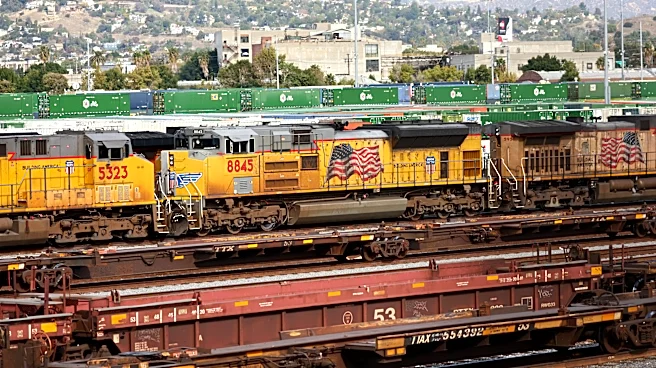
that the combination aims to simplify rail services, improve reliability, and make rail transportation more accessible for customers. Their merger application, filed nearly a year ago with the Surface Transportation Board (STB), proposes connecting over 50,000 route miles across 43 states. This initiative is designed to introduce approximately 88,000 new county-to-county single-line lanes and convert 10,000 existing interline movements into seamless single-line services. The companies assert that these improvements will reduce the complexity and uncertainty associated with railroad handoffs, ultimately generating an estimated $3.5 billion in annual shipper savings by shifting freight from higher-cost trucking to more economical rail transport. The proposal is backed by actual traffic data from all six North American Class I railroads, approximately $2 billion in planned integration investment, and over 2,000 letters of stakeholder support.
Why It's Important?
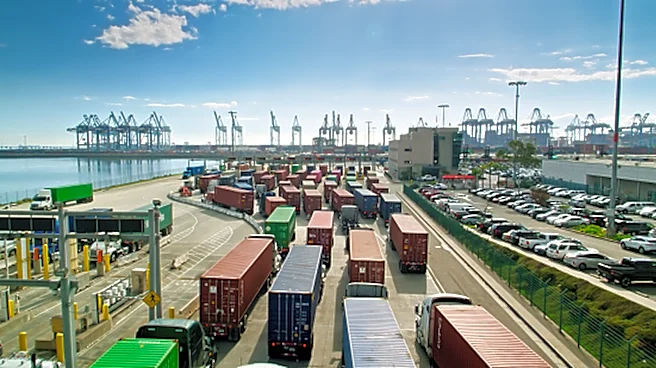
This proposed merger holds significant implications for the U.S. freight transportation landscape. By creating a single-line transcontinental railroad, Union Pacific and Norfolk Southern aim to directly compete with the trucking industry for long-haul freight, which they identify as the rail industry's primary competitive challenge. The shift of an estimated 2.1 million truckloads annually from highways to rail could lead to substantial economic benefits, including reduced shipping costs for businesses and consumers. Furthermore, the companies project that this shift will contribute to environmental sustainability by reducing carbon emissions, as rail transport is generally more environmentally friendly than trucking. The merger also includes commitments such as expanded customer protections, service level guarantees, stronger oversight, and 'jobs-for-life' agreements for all union employees at the time of the merger, which could impact labor relations and job security within the rail sector. The planned $2 billion investment in technology, capacity, and terminal improvements across the network signifies a major upgrade to national infrastructure, potentially enhancing overall supply chain efficiency and resilience.
What's Next?
The proposed merger between Union Pacific and Norfolk Southern is currently awaiting approval from federal regulators, specifically the Surface Transportation Board (STB). The companies have spent nearly a year engaging with various stakeholders, including customers, short lines, ports, labor organizations, employees, and policymakers, to refine their merger application. A public hearing on the proposal is anticipated in Spring 2027, with a decision from the STB possible in Summer 2027. Should the merger be approved, the next steps would involve detailed integration planning, significant investment in network improvements, and disciplined execution to ensure uninterrupted customer service during the transition. The companies will need to demonstrate their ability to deliver on their promises of enhanced service, reduced costs, and environmental benefits. The outcome of the STB's decision will determine the future structure of a significant portion of the U.S. rail network and could set a precedent for future consolidations within the transportation industry.
Beyond the Headlines
Beyond the immediate economic and logistical benefits, this proposed merger touches upon broader themes of national infrastructure development and intermodal competition. The emphasis on shifting freight from highways to rail highlights a strategic move towards a more integrated and sustainable national transportation system. This could lead to reduced road congestion, decreased wear and tear on highways, and a lower carbon footprint for freight movement across the country. However, the consolidation of two major rail carriers into a single entity also raises questions about market concentration and potential impacts on smaller shippers or regions not directly served by the new transcontinental network. Regulators will need to carefully weigh the benefits of increased efficiency and competitiveness against potential concerns regarding reduced competition and market power. The 'jobs-for-life' agreements for union employees, while beneficial for current workers, could also influence future labor negotiations and employment practices within the broader transportation sector, setting a new standard for employee security in large-scale mergers.