


What's Happening?
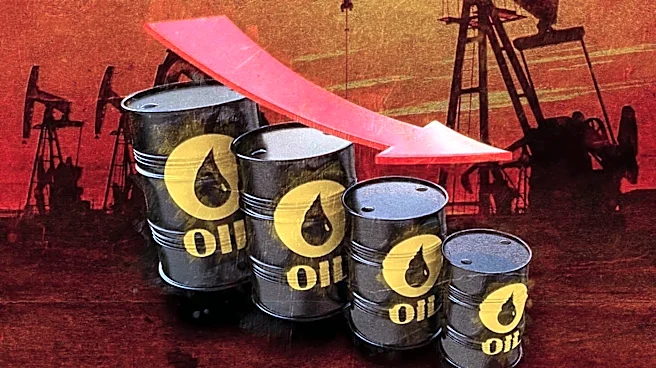
The Bloomberg Commodity Index experienced a 1.2% decline during the week ending August 4, 2026, driven by weaknesses in energy and grain sectors. Hedge funds have responded by reducing their positions in energy commodities like Brent and natural gas,
as well as grains such as soybeans and wheat. Conversely, there has been an increase in demand for precious and industrial metals, with copper reaching a multi-year high. The energy sector's subdued performance is attributed to ongoing geopolitical disruptions affecting supply from regions like Russia and the Middle East. Meanwhile, precious metals have seen renewed interest, supported by strong demand from central banks and Asian markets.
Why It's Important?
The fluctuations in commodity markets reflect broader economic and geopolitical tensions that can impact global supply chains and pricing. The increased demand for precious metals, particularly gold, highlights a divergence between Eastern and Western investment strategies, with Eastern markets showing resilience despite Western caution. This trend could influence global economic policies and investment strategies, as central banks continue to accumulate gold as a hedge against economic uncertainty. The performance of commodities is a critical indicator of economic health and can affect various sectors, including manufacturing, energy, and agriculture.
What's Next?
Looking ahead, the commodity markets may continue to experience volatility due to geopolitical tensions and economic policy shifts. The potential for further disruptions in energy supply could lead to price fluctuations, impacting global markets. Additionally, the ongoing demand for precious metals may drive further investment in these assets, influencing market dynamics. Stakeholders will be closely monitoring central bank policies and geopolitical developments to assess their impact on commodity markets.