


What's Happening?
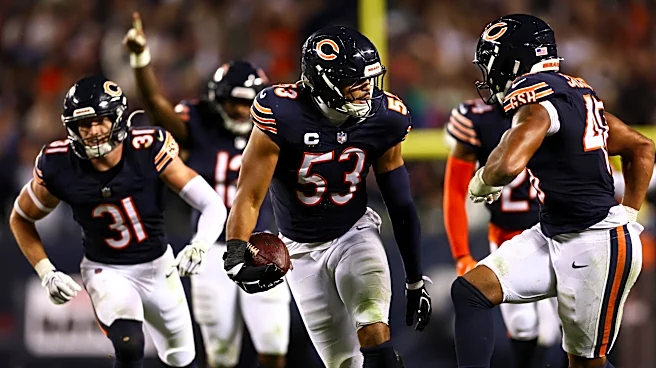
Illinois Governor JB Pritzker recently met with NFL Commissioner Roger Goodell, Chicago Bears minority owner Pat Ryan, and state legislative leaders to discuss options for keeping the Chicago Bears in Illinois. This meeting comes as the Bears continue
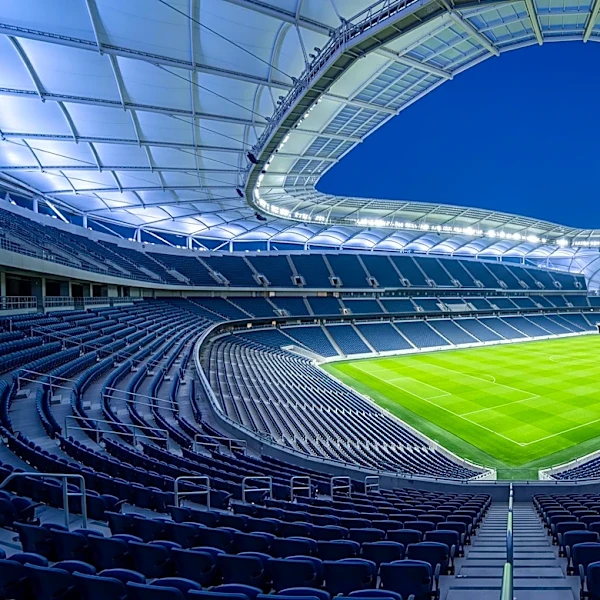
to explore new stadium solutions, including potential relocation to Indiana. The discussions focused on finding an agreement that would retain the team within the state while also protecting taxpayers. Previously, the Bears had considered building a new stadium and entertainment district in suburban Arlington Heights, even purchasing land for this purpose. However, their proposal for a 'payment in lieu of taxes' (PILOT) bill and infrastructure assistance did not pass the state legislature. Meanwhile, Indiana has offered significant incentives, including up to $1 billion, to attract the Bears, leading the team to focus efforts on sites in northwest Indiana, particularly around Hammond. Despite the Bears' stated focus on Indiana, this meeting indicates that Illinois officials are actively working to present a competitive offer.
Why It's Important?
The potential relocation of the Chicago Bears carries significant economic and cultural implications for Illinois and the city of Chicago. The Bears, a charter NFL franchise, have been a part of Illinois since 1920, representing a deep-rooted cultural institution. Losing the team would result in a substantial blow to local pride and identity. Economically, a new stadium project, whether in Illinois or Indiana, represents a massive investment and job creation opportunity. The proposed Arlington Heights project alone was estimated at nearly $5 billion, including an enclosed stadium and a year-round entertainment district. Such a development would generate tax revenue, create construction jobs, and boost local businesses. Conversely, if the Bears move to Indiana, Illinois would lose out on these economic benefits, including game-day revenue, tourism, and associated business activity. The ongoing negotiations highlight the intense competition between states to attract and retain major sports franchises, underscoring the perceived value of these teams as economic engines and cultural assets.
What's Next?
The Chicago Bears have not set an official date for a final decision on their stadium location, though they had aimed to break ground on a new stadium by 2026. The recent meeting between Governor Pritzker and NFL Commissioner Goodell suggests that Illinois is actively working to counter Indiana's incentives. While the Bears have publicly stated their focus on Indiana, the continued engagement with Illinois officials indicates that the door remains open for a deal within the state. Future steps will likely involve further negotiations between the Bears, Illinois state officials, and potentially local municipalities to craft a financial package that addresses the team's needs while satisfying taxpayer protection concerns. The outcome will depend on the ability of Illinois to present a compelling offer that rivals or surpasses Indiana's proposed incentives, potentially involving new legislative efforts or revised proposals for public funding and tax agreements. Hammond Mayor Thomas McDermott Jr. remains confident in Indiana's position, suggesting the competition will intensify.
Beyond the Headlines
The ongoing saga of the Chicago Bears' stadium search highlights broader issues concerning public financing for private sports franchises. The team's pursuit of tax incentives and infrastructure assistance, both in Illinois and Indiana, raises questions about the appropriate role of taxpayer money in funding professional sports facilities. Critics often argue that such investments divert funds from essential public services and that the economic benefits are often overstated. Proponents, however, emphasize the economic stimulus, job creation, and civic pride associated with hosting a major sports team. This situation also underscores the leverage that professional sports teams hold over local and state governments, often pitting jurisdictions against each other in a bidding war for their presence. The outcome of the Bears' decision could set a precedent for future negotiations between sports franchises and governmental entities, influencing how public resources are allocated for similar projects across the country. The debate extends beyond mere economics to the very identity and community spirit tied to a beloved sports team.