

What's Happening?
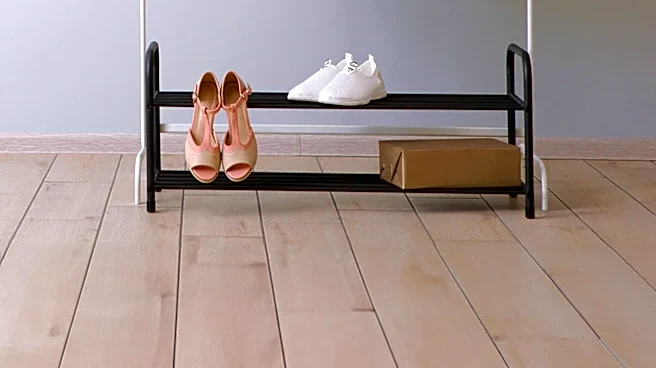
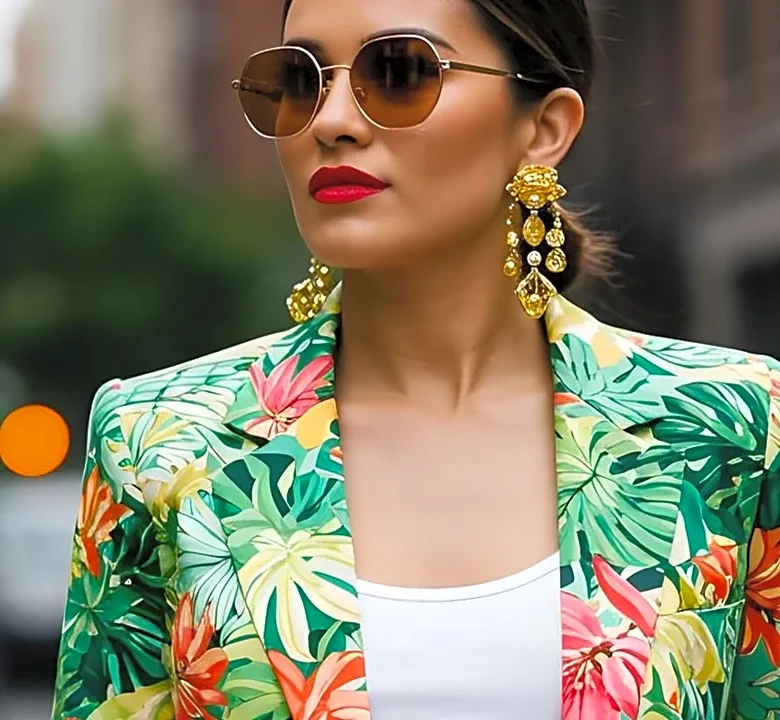
The concept of capsule wardrobes, which involves curating a selection of versatile clothing items that can be mixed and matched to create various outfits, is experiencing renewed popularity. This approach, originally popularized by London boutique owner
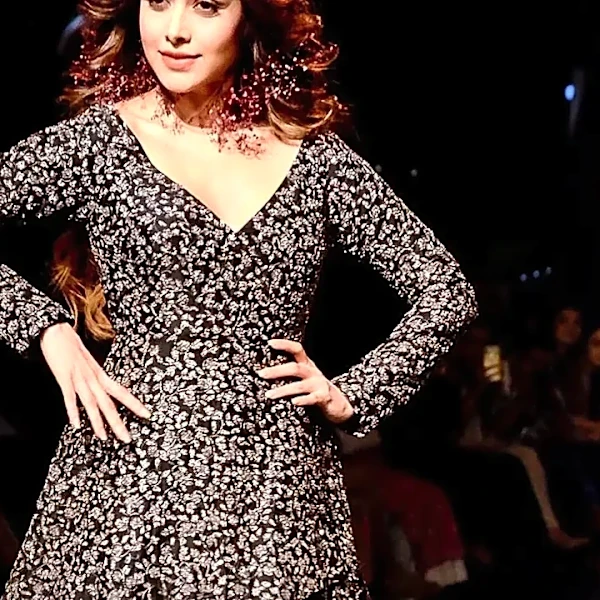
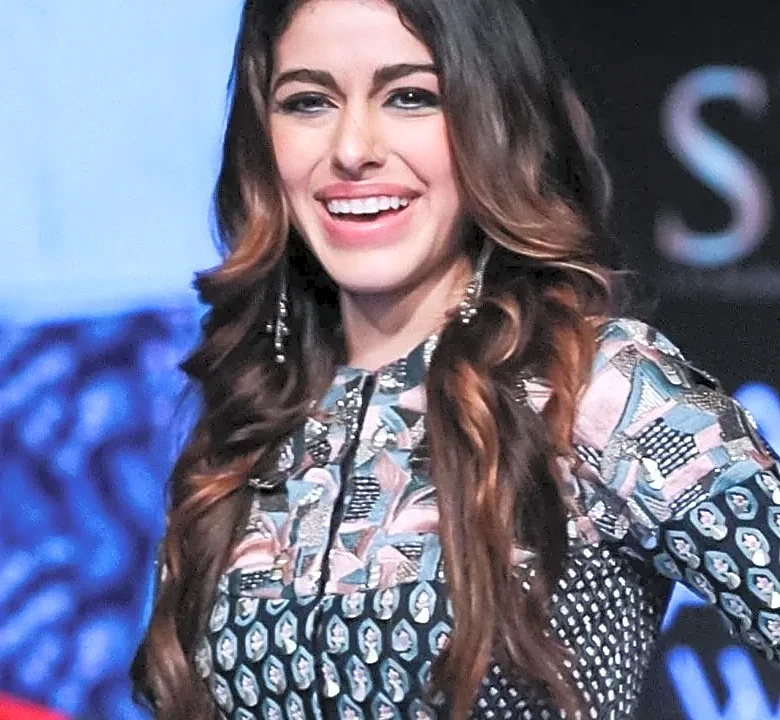
Susie Faux in the 1970s and later by American designer Donna Karan, emphasizes functionality and adaptability. The goal is to build a wardrobe with a limited number of high-quality pieces that can be combined in numerous ways, reducing clutter and decision fatigue. Recent developments include brands like Kiton launching exclusive capsule collections, such as the Kiton x J Balvin collaboration, which blends traditional tailoring with contemporary styles. Similarly, Bespoke Post has introduced a James Dean-inspired capsule collection, offering modern interpretations of classic pieces. Other brands like NKNIT and Howler Brothers are also releasing capsule collections featuring embroidered logos and exclusive graphics, respectively, catering to specific aesthetics and affiliations.
Why It's Important?
The growing interest in capsule wardrobes reflects a broader shift in consumer behavior towards more sustainable and mindful consumption within the U.S. fashion industry. By focusing on fewer, higher-quality items, consumers can reduce their environmental footprint, as the fashion industry is a significant contributor to global carbon emissions. This trend also impacts economic stakeholders by encouraging investment in durable, timeless pieces rather than fast fashion, potentially shifting sales towards brands known for craftsmanship and longevity. For consumers, it offers financial benefits by reducing the need for frequent purchases and providing access to luxury items at more accessible price points through pre-owned markets. The emphasis on versatility also empowers individuals to express personal style more effectively with a streamlined collection, influencing how retailers curate their offerings and how designers approach new collections.
What's Next?
The trend of capsule collections is likely to continue expanding, with more brands, both luxury and mainstream, adopting this model to cater to consumer demand for sustainability and versatility. We can anticipate an increase in collaborations between designers and public figures, similar to the Kiton x J Balvin partnership, to introduce unique and limited-edition capsule lines. The market for pre-owned designer pieces, which aligns perfectly with the capsule wardrobe philosophy, is also expected to grow, offering consumers more avenues to acquire high-quality items sustainably. Retailers may begin to offer curated 'capsule kits' or personalized styling services to help customers build their ideal minimalist wardrobes. Furthermore, educational content and resources on how to build and maintain a capsule wardrobe will likely become more prevalent, guiding consumers in making informed and sustainable fashion choices.
Beyond the Headlines
The resurgence of the capsule wardrobe concept extends beyond mere fashion trends, touching upon deeper societal values related to minimalism, conscious consumption, and personal well-being. Ethically, it promotes a more responsible approach to fashion, challenging the fast-fashion cycle and its associated environmental and labor concerns. Culturally, it signifies a move away from excessive materialism towards valuing quality, longevity, and thoughtful curation in personal possessions. This shift can lead to a re-evaluation of what constitutes 'luxury,' moving from brand-driven status symbols to items that offer intrinsic value, versatility, and a reduced impact on the planet. The long-term implications could include a more circular economy within the fashion industry, where garments are designed for durability and reusability, fostering a more sustainable and ethical consumption landscape.