
What's Happening?
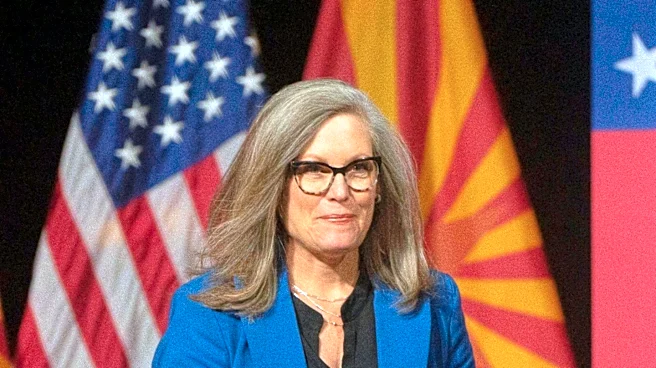
Arizona leaders are actively exploring a bid to host the 2031 Men's Rugby World Cup, an event that would mark its first occurrence in North or South America. Governor Katie Hobbs has expressed enthusiastic
support for the bid, writing a letter to World Rugby to convey the state's commitment. Local mayors, including Glendale Mayor Jerry Weiers, also back the initiative, emphasizing the significant economic benefits such a large-scale international event could bring. The Arizona Sports and Events Alliance confirmed its exploration of the bid, highlighting Arizona's strong track record in hosting major sporting events like Super Bowls and NCAA championships. An estimated 4.1 million fans are projected to attend the U.S. games, with host cities to be finalized in the coming years.
Why It's Important?
Hosting the Men's Rugby World Cup would be a monumental economic driver for Arizona and the broader U.S. economy. The influx of 4.1 million fans would generate substantial revenue through tourism, hospitality, and local businesses, benefiting hotels, restaurants, and transportation services. This event would also elevate Arizona's global profile as a premier destination for major international sporting events, potentially attracting future investments and tourism. For the U.S., securing the World Cup would significantly boost the sport of rugby, increasing its visibility and participation rates across the country. It would also demonstrate the nation's capability to host diverse global events, further solidifying its position on the international sports stage. The economic impact would extend beyond the immediate event, creating jobs and stimulating local economies in the host cities.
What's Next?
The process of selecting host cities for the 2031 Men's Rugby World Cup in the U.S. will unfold over the next few years. Arizona, with its strong bid and governmental support, will continue to engage in the active bidding process. This will involve detailed proposals, site visits by World Rugby officials, and ongoing negotiations. Major stakeholders, including state and local governments, sports commissions, and local businesses, will need to coordinate efforts to present a compelling case. The decision on host cities will likely consider infrastructure, logistical capabilities, and community enthusiasm. If Arizona is selected, extensive planning and development will commence to prepare for the event, including upgrades to stadiums, transportation networks, and accommodation facilities. The focus will be on ensuring a seamless experience for both athletes and spectators.
Beyond the Headlines
Beyond the immediate economic and sporting benefits, hosting the Rugby World Cup could have profound cultural and social implications for Arizona and the U.S. It would introduce a new sport to a wider audience, potentially fostering greater cultural exchange and understanding. The event could inspire a new generation of athletes and fans, diversifying the American sports landscape. Furthermore, the extensive planning and collaboration required to host such an event could strengthen inter-agency cooperation and community engagement within Arizona. The legacy of the World Cup could include improved public infrastructure, enhanced international relations, and a more vibrant local sports culture. It also presents an opportunity to showcase American hospitality and organizational prowess on a global scale, leaving a lasting positive impression on visitors and participants alike.