
What's Happening?
Actress Emmy Rossum has disclosed that she has been "dodging predators" since she began working in the entertainment industry at the age of seven. This revelation came during discussions about her new
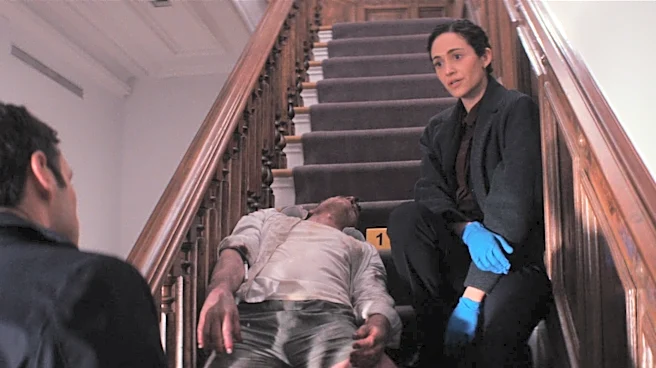
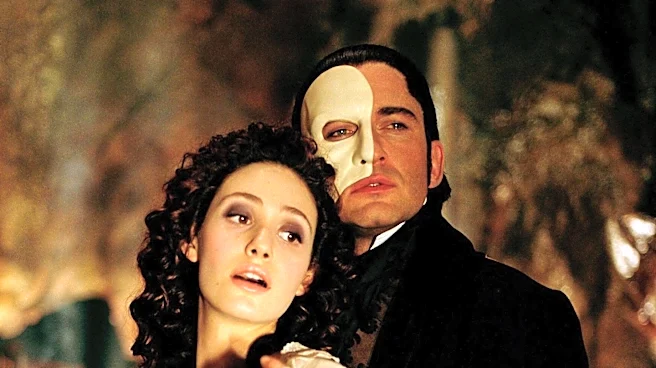
Hulu crime drama, "Furious," a series that delves into themes of abuse, trauma, power, and the pursuit of justice. Rossum, who also serves as an executive producer on the project, did not name any specific individuals or identify particular people in connection with her experiences. Instead, her comments focused on the broader challenges young performers face in navigating the professional environments of the entertainment business. Her career started unusually early, joining the children's chorus at the Metropolitan Opera at Lincoln Centre at seven, performing in various productions and receiving training in stagecraft and classical vocal technique. She later transitioned to television and film, with notable roles in "The Phantom of the Opera" and "Shameless."
Why It's Important?
Emmy Rossum's statement highlights a significant and ongoing issue within the entertainment industry: the vulnerability of young performers to exploitation and abuse. Her experience, spanning nearly three decades, underscores the systemic nature of these challenges, where powerful adults and complex professional settings can create environments conducive to predatory behavior. This revelation adds a personal dimension to the broader conversation about safety and protection for minors in Hollywood, a topic that has gained increased attention in recent years. The fact that Rossum's comments are framed around her personal connection to the themes of her new series, "Furious," suggests a deeper engagement with the subject matter, moving beyond mere acting to a form of advocacy. Her decision to speak out, even without naming names, contributes to a growing collective awareness and pressure for industry-wide reforms to safeguard young talent.
What's Next?
Rossum's comments are likely to fuel further discussions within the entertainment industry regarding child protection policies and accountability. While she has not made specific allegations, her public statement could encourage other individuals who have had similar experiences to come forward, potentially leading to more widespread calls for change. The series "Furious" itself, by exploring the long-term consequences of abuse and the difficult choices survivors face, is poised to contribute to this ongoing dialogue. The show's focus on the aftermath of violence rather than its depiction, and its consultation with experts like social workers and trafficking survivors, indicates a deliberate effort to handle these sensitive topics responsibly. This approach, combined with Rossum's personal connection, may prompt industry stakeholders, including studios, production companies, and talent agencies, to re-evaluate and strengthen their protocols for protecting young actors.
Beyond the Headlines
Rossum's experience sheds light on the ethical and cultural dimensions of child labor in high-stakes industries like entertainment. The early entry of children into professional environments, while offering unique opportunities, also exposes them to adult pressures and potential dangers long before they develop the maturity and coping mechanisms to navigate such complexities. Her remarks underscore the need for a cultural shift within Hollywood, moving towards greater transparency, accountability, and robust support systems for young performers. This includes not only legal protections but also a fundamental change in how power dynamics are managed and how the well-being of child actors is prioritized. The blurring of lines between justice and revenge, as explored in "Furious," also reflects a societal struggle with how to address past harms and ensure equitable outcomes for survivors, particularly when conventional systems may have failed them.