





What's Happening?
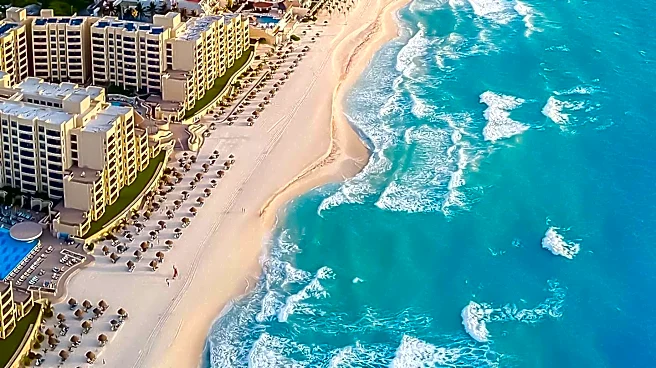
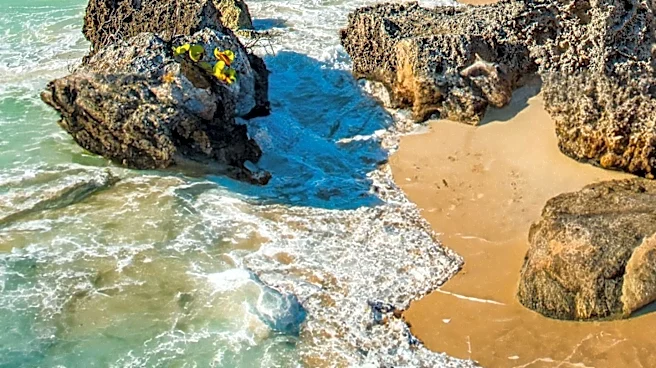
The Riviera Maya region in Mexico is being highlighted as a premier travel destination, offering a wide array of experiences for different types of travelers. The area boasts natural wonders such as cenotes like Dos Ojos and Gran Cenote, and pristine
beaches including Playa Paraíso in Tulum and Xpu-Há. Culturally, it features significant archaeological sites like Chichén Itzá, Tulum, and Cobá. Visitors can also engage in adventure activities at ecological parks such as Xcaret, Xel-Há, and Xplor, which offer zip-lining, underground rivers, and snorkeling. The region also caters to those seeking vibrant nightlife, particularly in Playa del Carmen and Tulum, with options ranging from bars and clubs on Fifth Avenue to beach clubs featuring international DJs. The best time to visit is typically from November to April due to more favorable weather conditions.
Why It's Important?
The promotion of the Riviera Maya as a versatile tourist destination is important for the U.S. travel industry and American tourists. For U.S. travelers, it provides a comprehensive guide to planning trips, offering insights into optimal travel times, necessary preparations for tropical weather, and a diverse range of activities from historical exploration to adventure sports and relaxation. This information helps American tourists make informed decisions, potentially boosting tourism from the U.S. to Mexico. Economically, increased tourism from the U.S. supports local businesses in the Riviera Maya, including hotels, restaurants, and tour operators, contributing to the regional economy. The emphasis on eco-friendly practices, such as using biodegradable sunscreen, also promotes responsible tourism among U.S. visitors, aligning with growing environmental consciousness.
What's Next?
As awareness of the Riviera Maya's diverse offerings grows, an increase in U.S. tourism to the region is likely. Travelers will continue to seek out personalized experiences, leading to further development of specialized accommodations and tour packages. The region may see continued investment in infrastructure to support the influx of tourists, including enhancements to transportation and hospitality services. There could also be a greater focus on promoting sustainable tourism practices to preserve the natural and cultural heritage of the Riviera Maya, encouraging visitors to engage responsibly with the environment and local communities. The continued popularity of destinations like Tulum and Playa del Carmen suggests that these areas will remain key attractions, potentially leading to further expansion of their entertainment and dining options.
Beyond the Headlines
The appeal of the Riviera Maya extends beyond its immediate attractions, reflecting a broader trend in tourism towards experiential travel that combines relaxation with cultural immersion and adventure. The region's ability to cater to diverse preferences—from families to couples and solo adventurers—highlights a sophisticated tourism model. The integration of ancient Mayan history with modern amenities and ecological parks offers a unique blend that enriches the travel experience, fostering a deeper appreciation for Mexico's heritage among international visitors. This multifaceted approach to tourism also underscores the economic significance of the industry for the region, providing livelihoods for many local residents and driving cultural exchange. The emphasis on environmental protection, such as reef preservation, also points to a growing global recognition of the need for sustainable tourism practices.