






What's Happening?
At the November 2026 CBS in Chiang Mai, Thailand, experts highlighted that export competitiveness begins long before a product leaves the factory, challenging the common focus solely on market access and digital marketing. Lyden Smithers, a sourcing specialist,
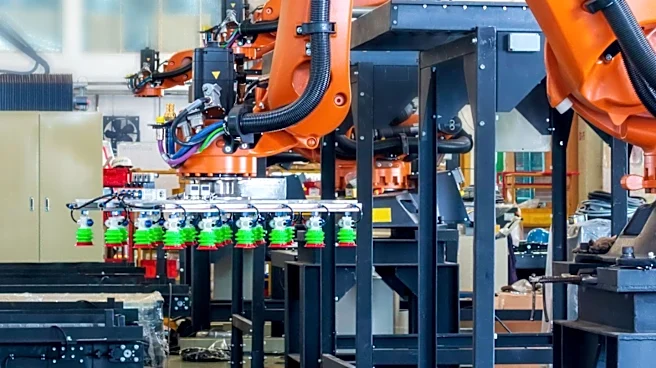
emphasized that significant profit margins can be lost due to poorly designed products or inefficient production processes. He suggested that working directly with factory engineers can uncover opportunities for cost reduction and defect prevention, such as optimizing material use, streamlining production steps, and improving packaging efficiency. Andy Church of Insight Quality further stressed the importance of preventing defects throughout production rather than merely checking finished products. This involves clear specifications, appropriate testing, effective supplier communication, and robust corrective actions to ensure consistent product quality and meet destination market requirements.
Why It's Important?
For U.S. businesses engaged in international trade, particularly those sourcing from or manufacturing abroad, these insights are critical for maintaining profitability and market reputation. The U.S. economy relies heavily on efficient supply chains and high-quality exports and imports. Inefficient production processes or quality failures can lead to significant financial losses, including rejected shipments, damaged customer relationships, and increased operational costs. By focusing on factory-level improvements, U.S. companies can enhance their competitive edge, reduce waste, and ensure compliance with diverse international standards. This approach also impacts consumer trust in products, whether they are manufactured domestically for export or sourced from overseas for the U.S. market, ultimately affecting brand loyalty and market share.
What's Next?
U.S. exporters and importers are encouraged to adopt a more integrated approach to their supply chains, fostering stronger partnerships with manufacturers and logistics providers. This involves proactive engagement with factory engineers to identify and implement process improvements, rather than solely focusing on price negotiations. Businesses should prioritize comprehensive quality assurance programs that span the entire production cycle, from product development to shipment preparation. Furthermore, financial arrangements with suppliers, including payment terms and minimum order quantities, should be strategically managed to optimize working capital. The broader lesson suggests a shift in focus from post-production marketing to pre-production efficiency and quality as foundational elements of export success.
Beyond the Headlines
The discussion extends beyond mere operational efficiency to touch upon the ethical dimensions of global manufacturing. Ensuring product quality and fair financial arrangements with suppliers contributes to sustainable business practices and responsible sourcing. For U.S. companies, this means not only safeguarding their bottom line but also upholding brand values and contributing to ethical supply chains. The emphasis on collaboration and information exchange between buyers and manufacturers can foster trust and long-term relationships, moving away from purely transactional interactions. This approach can also influence U.S. trade policies, encouraging initiatives that support the development of robust and transparent global supply chains, ultimately benefiting consumers through higher quality and more reliable products.