



What's Happening?
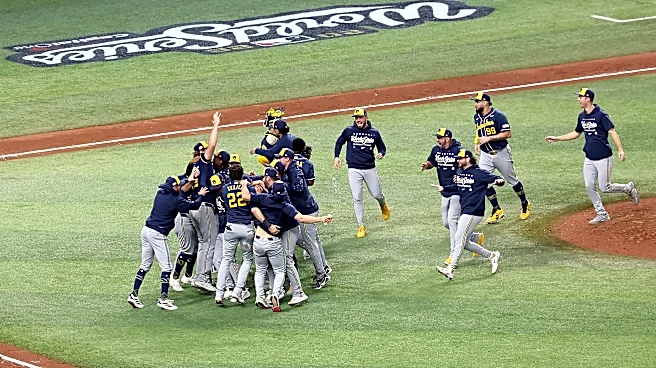
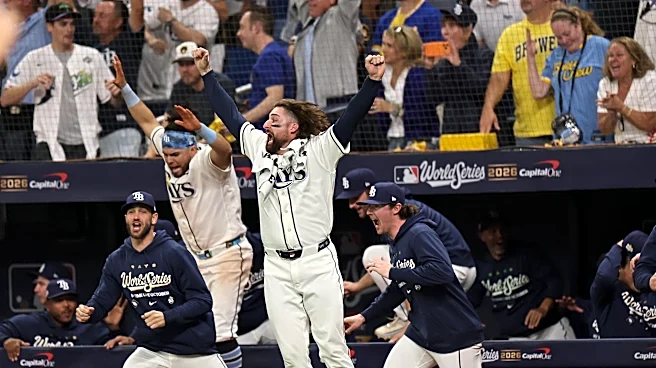
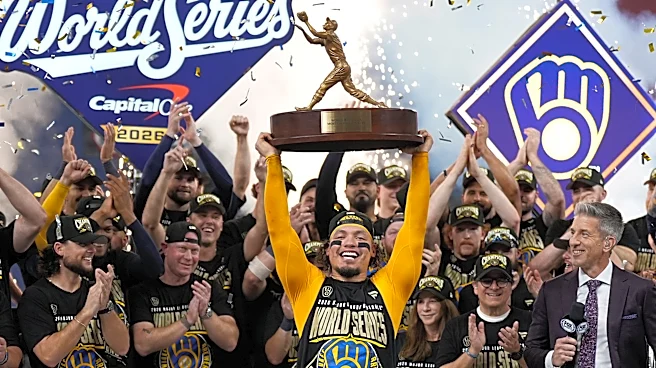
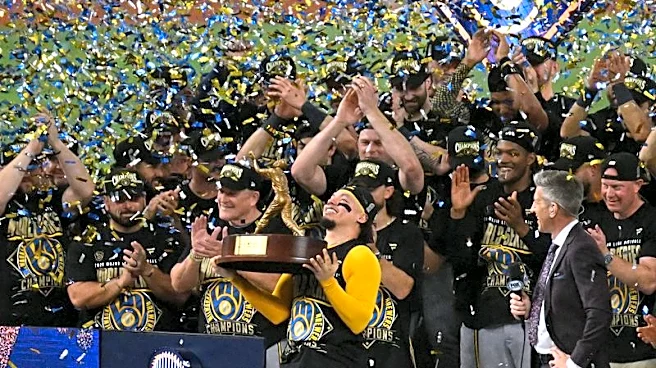
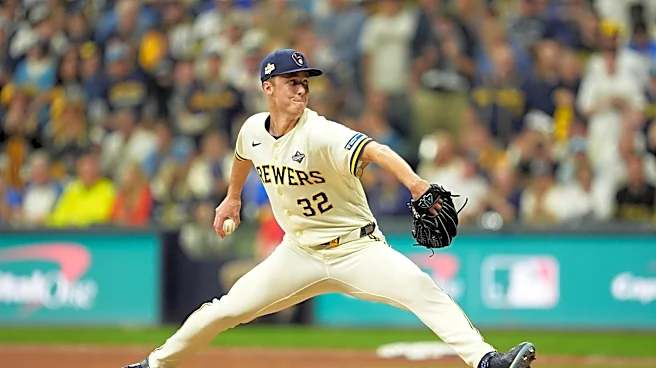
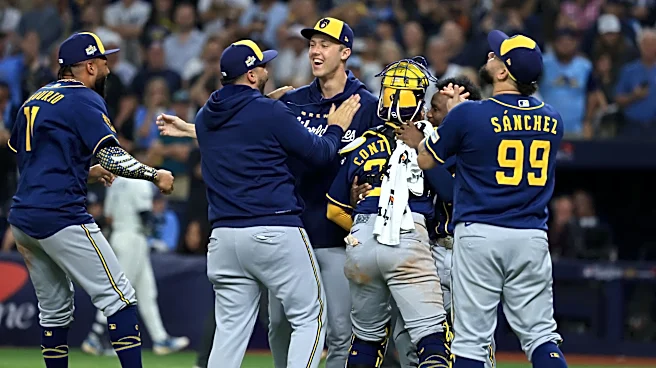
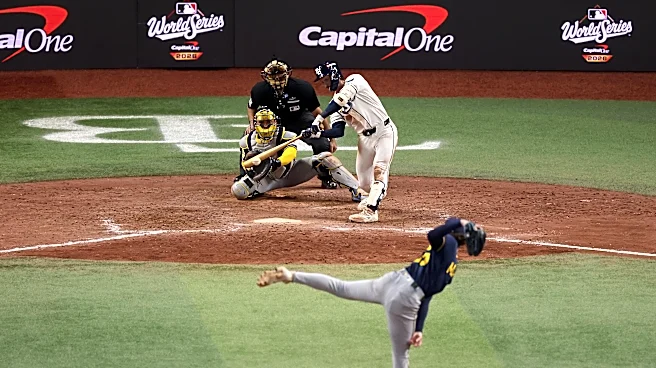
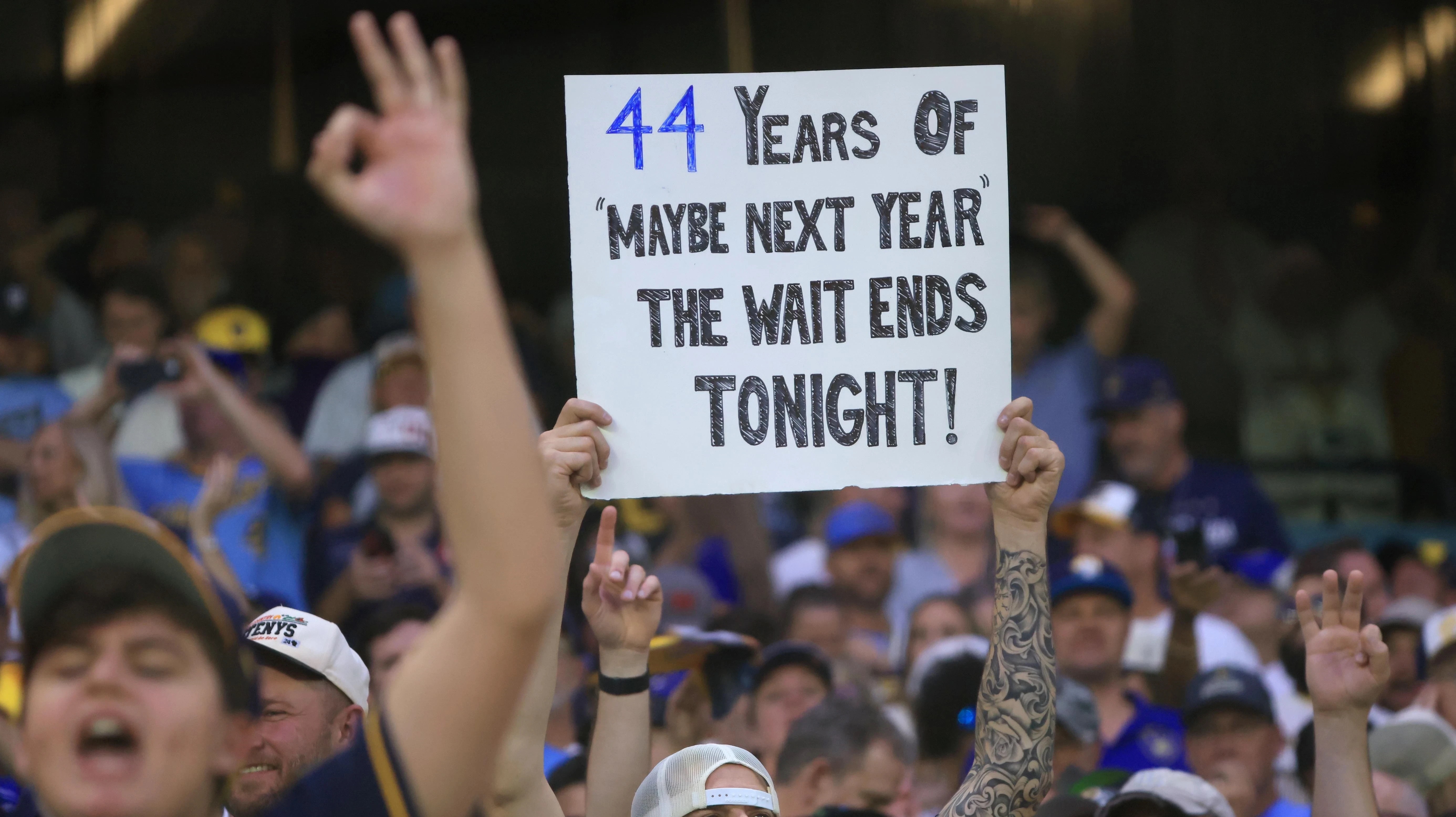
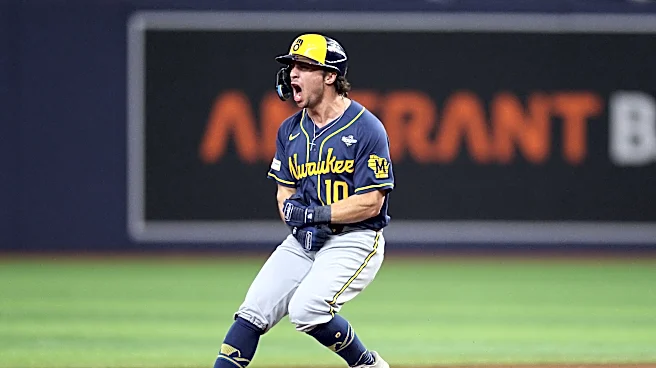
The Milwaukee Brewers have clinched their first World Series championship in club history, defeating the Tampa Bay Rays 4-1 in Game 5. This victory marks a significant achievement for the Brewers, who spent 149 days atop the standings during the 2026
season and recorded a franchise-record 103 regular-season wins. Despite their consistent performance, the team's success was often downplayed by baseball's owners, who maintained that a low-budget team could not win a championship. The Brewers' triumph, however, has challenged this narrative. Key players like Christian Yelich, Aaron Ashby, Sal Frelick, Trevor Megill, Brice Turang, and David Hamilton are expected to remain with the team for the 2027 season, ensuring a high level of continuity for the defending champions. This continuity is notable given the impending management lockout in December, which threatens to disrupt the upcoming MLB season.
Why It's Important?
The Brewers' World Series win holds significant importance beyond the field, particularly in the context of the ongoing labor dispute between MLB owners and players. The owners have been advocating for a salary cap, arguing that it is necessary for competitive balance. The Brewers' victory, achieved with the 19th-lowest luxury-tax payroll in MLB, directly undermines this argument, providing a strong counterpoint for the players' union. This outcome could intensify the collective bargaining battle, potentially leading to a prolonged work stoppage that could impact spring training and a portion of the 2027 season. The Brewers' success demonstrates that financial outlay does not solely dictate championship potential, challenging a core tenet of the owners' position and potentially shifting the dynamics of future labor negotiations.
What's Next?
The immediate future for MLB is clouded by an anticipated management lockout in December, which is expected to halt league operations. This lockout stems from a bitter labor battle where owners are pushing for significant changes, including a hard salary cap, restrictions on free agency, and a retooled draft. The players' union vehemently opposes these measures, particularly the salary cap, aiming to preserve the current market-based economic system. The Brewers' World Series win, achieved with a relatively modest payroll, is likely to be a central point of contention in these negotiations. While the Brewers' roster is largely intact for 2027, the length and structure of the next MLB season remain uncertain, with potential disruptions to the schedule and the team's title defense.
Beyond the Headlines
The Milwaukee Brewers' unexpected World Series victory has exposed a deeper ideological conflict within Major League Baseball regarding the role of economics in competitive success. The win challenges the long-held belief, often propagated by team owners, that significant financial investment is a prerequisite for championship contention. This narrative has been used to justify calls for a salary cap, which the Brewers' success now directly refutes. The ethical implications of this situation are profound, as it highlights a potential disconnect between the financial interests of team owners and the spirit of fair competition. The Brewers' triumph could inspire a re-evaluation of how success is measured and achieved in professional sports, potentially fostering a more meritocratic environment where strategic management and player development are valued as highly as financial power.