
What's Happening?
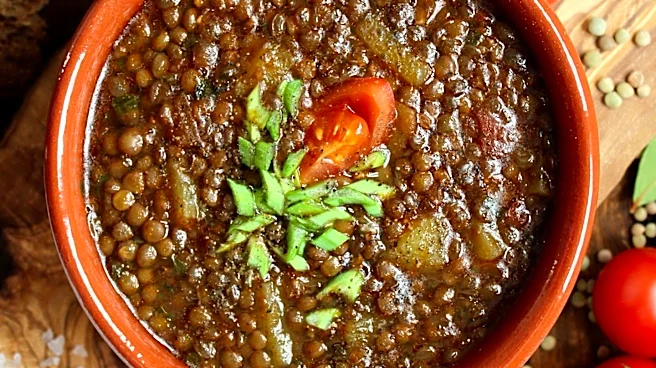
Lentils are being highlighted as a significant fall superfood, offering a substantial nutritional boost. A half-cup serving of cooked lentils provides approximately 9 grams of protein, making them a notable
source compared to other fall produce like sweet potatoes or Brussels sprouts. Beyond protein, lentils are rich in fiber, with nearly 8 grams per half-cup, contributing to better digestion and stable blood sugar levels. They also supply about 18% of the Daily Value for iron, crucial for oxygen transport, and an excellent 45% of the Daily Value for folate, vital for new cell production. Additionally, lentils contain antioxidants such as polyphenols, saponins, and phytosterols, which are linked to improved heart health, reduced risk of type 2 diabetes, and potential anticancer effects. Registered dietitians Sarah Anzlovar and Raksha Shah emphasize the importance of lentils as an inexpensive, quick-cooking, and nutrient-dense food.
Why It's Important?
The recognition of lentils as a superfood is important for public health in the U.S. as most Americans do not consume enough fiber, iron, or folate. Incorporating lentils into diets can help address these nutritional gaps, potentially leading to better digestive health, more stable blood sugar, and improved cardiovascular well-being. For individuals managing diabetes, lentils' low glycemic index makes them a smart choice as they are digested slowly, preventing rapid blood sugar spikes. The high folate content is particularly significant for women who are pregnant or planning to be, as adequate folate intake helps lower the risk of certain birth defects. Furthermore, as an affordable and versatile plant-based protein, lentils offer a sustainable and accessible option for improving dietary quality across various socioeconomic groups, supporting broader health initiatives.
What's Next?
Consumers are encouraged to integrate lentils into their meals, especially during the fall season. Easy methods include stirring them into soups or chili, pairing them with roasted vegetables, making dal, or using them to extend ground meat in dishes like bolognese. Experts suggest starting with two to three servings per week to gradually increase nutrient intake. The availability of precooked, steamed lentils in produce sections aims to make them even more approachable for those seeking convenience. This trend could lead to increased demand for lentils in grocery stores and a wider variety of lentil-based products in the market, as food manufacturers and retailers respond to growing consumer interest in plant-based, nutrient-dense foods.
Beyond the Headlines
The emphasis on lentils reflects a broader shift in dietary recommendations towards whole, unprocessed foods and plant-based proteins. This movement challenges the traditional reliance on animal proteins and highlights the nutritional power of legumes. The affordability and shelf-stability of lentils also make them a crucial component in discussions about food security and accessible nutrition, particularly in communities facing economic challenges. Promoting lentils as a superfood could contribute to a more equitable food system by offering a cost-effective way for individuals to meet their nutritional needs. This trend also aligns with environmental sustainability goals, as legume cultivation generally has a lower environmental footprint compared to animal agriculture.