





What's Happening?
Goldman Sachs projects a global economic growth rate of 2.8% in 2027, a slight increase from the estimated 2.7% in 2026. This optimistic outlook is primarily driven by two key factors: a projected decrease in energy prices and sustained, significant investment
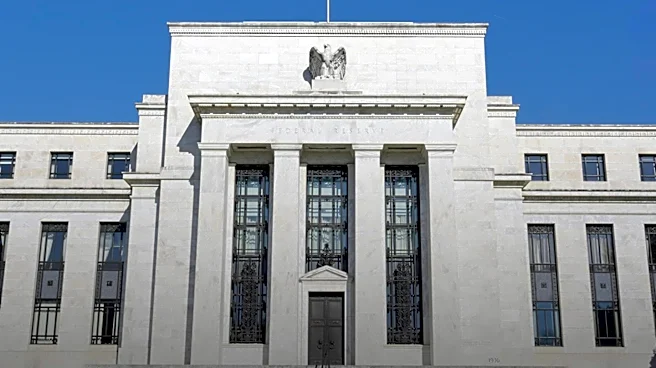
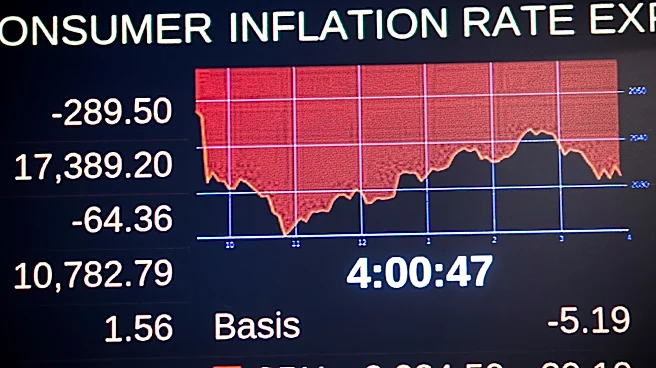
in artificial intelligence (AI). The Wall Street bank anticipates Brent crude oil prices to fall to $78 per barrel by the end of 2027, attributing this to adjustments in Middle East supplies following recent energy market disruptions. Concurrently, global AI investment is expected to surge from $1.1 trillion in the current year to $1.8 trillion in 2027, potentially contributing an additional 0.4 percentage points to global GDP growth. Goldman's chief economist, Jan Hatzius, described the anticipated growth as 'solid but unremarkable.' However, the forecast also includes a cautionary note regarding potential interest rate hikes by the Federal Reserve in late 2026 and early 2027, which could keep borrowing costs elevated for a significant portion of the year.
Why It's Important?
This forecast is significant for U.S. industries and economic stakeholders as it outlines a complex interplay of factors that will shape the global economic landscape. Lower energy prices could reduce operational costs for businesses and ease financial pressures on households, potentially stimulating consumer spending and corporate profitability. The substantial increase in AI investment signals a continued technological transformation, which could drive innovation and productivity across various sectors, benefiting technology companies and those adopting AI solutions. However, the prospect of continued elevated interest rates from the Federal Reserve could pose challenges, particularly for companies reliant on borrowing and for the valuation of growth-oriented technology stocks. Investors will need to balance the positive impacts of cheaper energy and AI-driven growth against the potential headwinds of higher borrowing costs, influencing investment strategies and capital allocation decisions in the U.S. market.
What's Next?
Looking ahead, the global economy will likely navigate a period where the benefits of declining energy costs and surging AI investment contend with the implications of potentially higher interest rates. Goldman Sachs anticipates two more U.S. interest rate hikes, one in December 2026 and another in March 2027, with the first rate cut not expected until December 2027. This suggests that borrowing costs will remain elevated for much of the year, impacting corporate financing and consumer credit. Businesses will need to adapt to this interest rate environment while simultaneously seeking to capitalize on the efficiencies and opportunities presented by AI. Monitoring geopolitical developments, particularly in the Middle East, will also be crucial, as any escalation in conflicts could disrupt energy supplies and negate the projected benefits of lower oil prices. The Federal Reserve's monetary policy decisions will be a key determinant of economic conditions, influencing market sentiment and investment flows.
Beyond the Headlines
The Goldman Sachs outlook points to a deeper economic shift where technological advancement, particularly in AI, becomes an increasingly dominant driver of global growth, potentially reshaping industries and labor markets. The projected surge in AI investment suggests a continued acceleration of automation and digital transformation, which could lead to significant productivity gains but also raise questions about job displacement and the need for workforce reskilling. Furthermore, the interplay between energy prices and geopolitical stability highlights the persistent vulnerability of the global economy to external shocks, underscoring the importance of diversified energy sources and resilient supply chains. The forecast also implicitly touches upon the ongoing debate about central bank policy in managing inflation versus fostering growth, as the Federal Reserve's actions will have ripple effects across global financial markets. This period could mark a critical juncture where technological innovation, monetary policy, and geopolitical stability collectively determine the trajectory of economic prosperity.