






What's Happening?
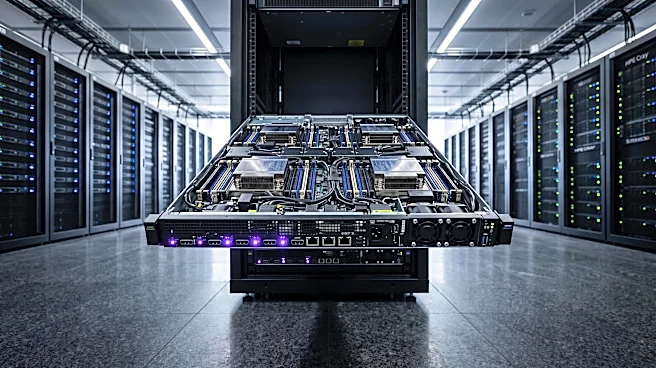
Normal Computing is actively developing a new approach to AI hardware, concentrating on the creation of inference servers and rack-scale systems. The company's primary objective is to enhance the efficiency and interactivity of AI computations. They are leveraging
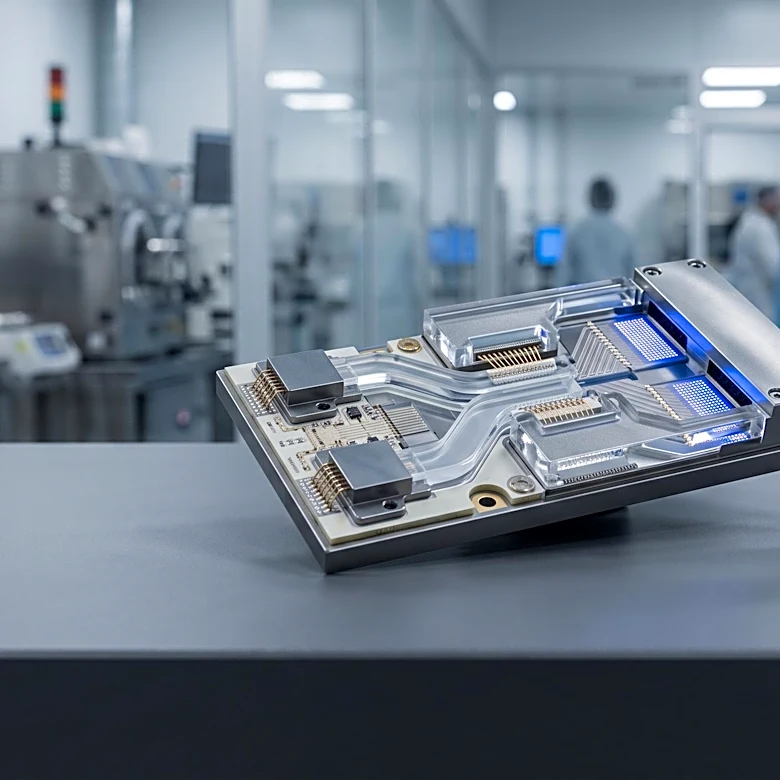
AI itself to accelerate the co-design of silicon and streamline their product development processes. This involves significant work in memory architecture and silicon engineering, with the ultimate goal of delivering substantial improvements in high-performance computing and AI inference capabilities. Normal Computing maintains offices in key global technology hubs, including New York City, London, and Mountain View, indicating a broad operational scope in its pursuit of advanced AI infrastructure.
Why It's Important?
The advancements by Normal Computing are significant for the broader U.S. technology sector and industries reliant on AI. By focusing on more efficient inference servers and rack-scale systems, the company aims to reduce the computational overhead and energy consumption associated with AI operations. This could lead to more accessible and scalable AI solutions across various sectors, from cloud computing to specialized AI applications. Improved efficiency and interactivity in AI hardware can lower operational costs for businesses utilizing AI, potentially democratizing access to advanced AI capabilities. Companies involved in data centers, cloud services, and AI development stand to gain from more powerful and efficient hardware, fostering innovation and competitive advantages within the U.S. technology landscape.
What's Next?
Normal Computing's continued development in AI hardware suggests future releases of specialized inference servers and rack-scale systems designed for enhanced performance. The company's strategy of using AI to accelerate silicon co-design indicates a potential for rapid iteration and innovation in their product offerings. As these technologies mature, they could influence industry standards for AI infrastructure, prompting other hardware manufacturers to adapt or compete with similar efficiency-focused designs. The expansion of their global presence, with offices in major tech centers, positions them to attract top talent and foster collaborations that could further accelerate their technological advancements and market penetration in the high-performance computing and AI inference domains.
Beyond the Headlines
The work by Normal Computing touches upon critical long-term shifts in the AI landscape, particularly concerning the physical infrastructure that underpins artificial intelligence. As AI models grow in complexity and demand more computational power, the efficiency of hardware becomes paramount not only for performance but also for environmental sustainability. By focusing on optimizing silicon and memory architecture, Normal Computing is addressing the growing energy footprint of AI. This could lead to broader industry discussions about 'green AI' and the ethical responsibility of technology companies to develop more sustainable computing solutions. Furthermore, their approach of using AI to design AI hardware represents a meta-level innovation that could fundamentally change how complex technological systems are developed in the future, potentially accelerating the pace of innovation across various engineering disciplines.