



What's Happening?
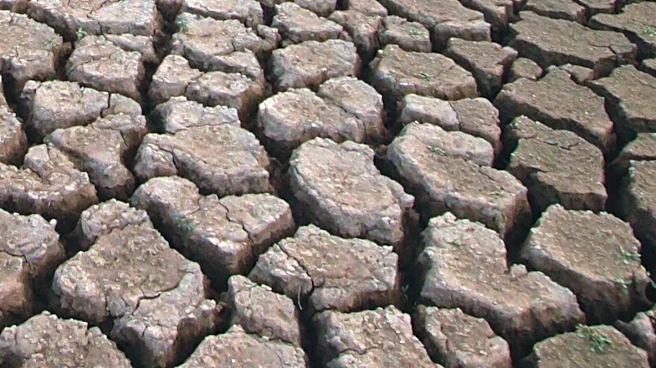
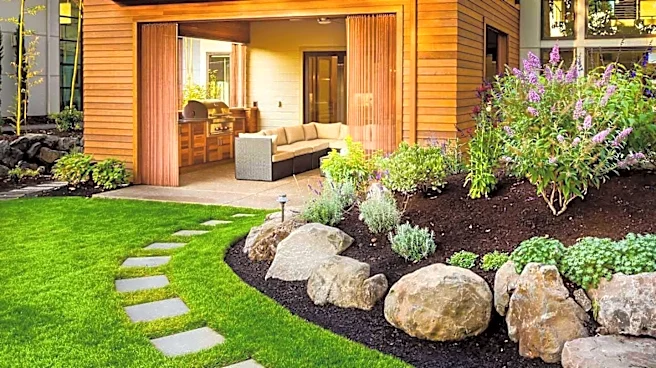
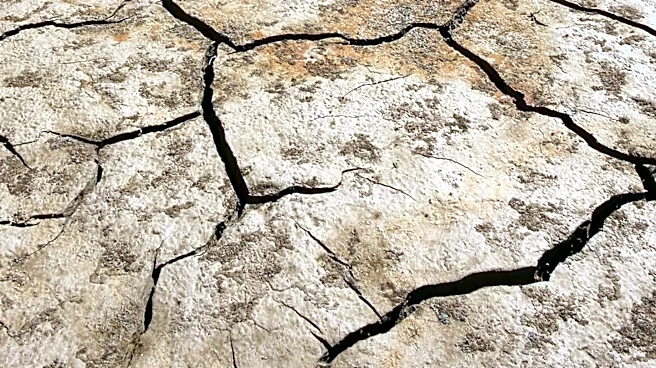
Amid intense heat and dry conditions leading to water restrictions in many areas, Consumer Reports has provided practical advice for U.S. homeowners to conserve water in their lawns and gardens. The recommendations include replacing some grass with mulch,
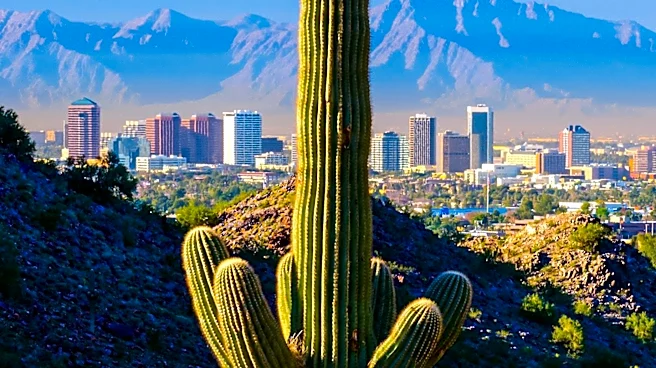
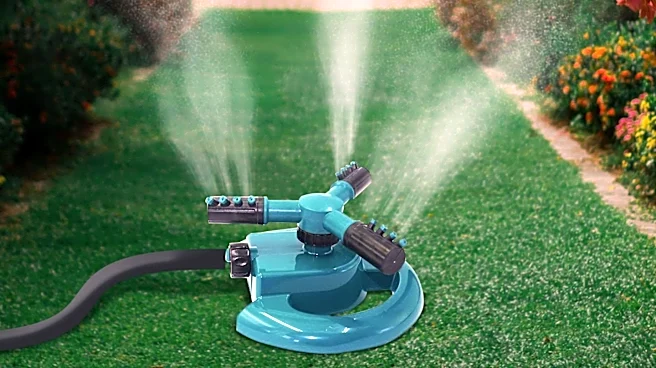
ground cover, drought-tolerant plants, or ornamental grasses that require less water. For existing lawns, Consumer Reports suggests letting grass grow longer (three to four and a half inches) to shade the soil and reduce evaporation, and using a mower's mulch mode to return clippings and moisture to the soil. Smart watering habits are also emphasized, such as avoiding watering during the hottest part of the day and utilizing soaker hoses or drip irrigation systems for efficient water delivery. Additionally, the organization recommends using rain barrels to collect rainwater for plants or car washing, noting that placing the barrel on a stand can improve water flow. Other tips include using a broom instead of a hose for cleaning driveways and opting for commercial car washes that recycle water.
Why It's Important?
These water-saving tips are highly important for U.S. households and communities, particularly in regions prone to drought or facing water scarcity. By adopting these practices, homeowners can significantly reduce their water consumption, which directly impacts local water supplies and infrastructure. Reduced water usage can alleviate strain on municipal water systems, potentially delaying or preventing more stringent water restrictions. Economically, conserving water translates to lower utility bills for individual consumers, offering a direct financial benefit. Environmentally, these practices contribute to sustainable resource management, helping to preserve freshwater ecosystems and mitigate the effects of climate change on water availability. The widespread adoption of such measures can foster a more resilient approach to water management across the nation, promoting long-term sustainability and reducing the environmental footprint of residential landscaping.
What's Next?
As climate patterns continue to bring periods of intense heat and drought, the emphasis on water conservation is likely to grow across the U.S. Consumers can expect to see continued promotion of water-saving techniques and products from organizations like Consumer Reports, as well as local and state governments. There may be increased incentives for homeowners to adopt drought-tolerant landscaping and install water-efficient irrigation systems. Manufacturers of gardening and home improvement products may also focus more on developing and marketing water-saving solutions, such as advanced irrigation technologies and rain harvesting systems. Communities might implement more widespread public awareness campaigns and potentially introduce stricter water usage regulations if drought conditions persist or worsen. The long-term trend points towards a greater integration of water conservation into daily lifestyle practices and urban planning.
Beyond the Headlines
The push for water conservation in lawns and gardens extends beyond immediate drought relief, touching upon broader cultural shifts in how Americans perceive and manage their outdoor spaces. Historically, lush, green lawns have been a symbol of suburban ideal, often requiring significant water input. The current emphasis on water-saving landscaping challenges this aesthetic, promoting a move towards more ecologically appropriate and sustainable garden designs. This shift could lead to a redefinition of what constitutes an attractive and well-maintained yard, favoring native plants, xeriscaping, and other water-wise options. It also highlights the interconnectedness of individual actions and collective environmental impact, demonstrating how seemingly small changes in household routines can contribute to larger resource management goals. This evolving perspective on landscaping reflects a growing environmental consciousness and a practical adaptation to changing climatic realities across the U.S.