





What's Happening?
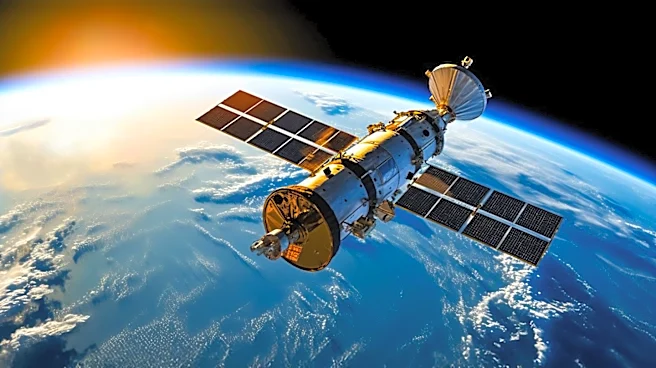
Investment in satellite companies has reached unprecedented levels in 2026, with $8.1 billion raised in the first half of the year, surpassing previous annual totals. Finnish operator Iceye led significant deals with a $1.2 billion Series F round to expand
radar-imaging satellite production. The infrastructure category, which includes the design, manufacture, launch, and operation of space-based assets, saw a record $20.7 billion in investments. Notably, Jeff Bezos' Prometheus venture raised $12 billion to develop AI models for automating physical engineering, highlighting the convergence of space and AI technologies.
Why It's Important?
The surge in satellite investment underscores the growing importance of space infrastructure in the global economy. As more companies look to orbit for growth, the space industry is becoming increasingly integrated with other sectors, such as AI and communications. This trend is reshaping the competitive landscape, with traditional space companies facing new challenges and opportunities. The record investment levels also reflect the potential for space-based technologies to drive innovation and economic growth, particularly in areas like data processing and connectivity.
What's Next?
As the space industry continues to evolve, companies will need to navigate a complex landscape of technological and regulatory challenges. The integration of AI and space technologies is likely to accelerate, creating new opportunities for innovation and collaboration. However, the industry may also face bottlenecks in funding and development, particularly as companies mature into later stages. The success of ventures like Prometheus will be closely watched as indicators of the industry's future direction and potential.