




What's Happening?
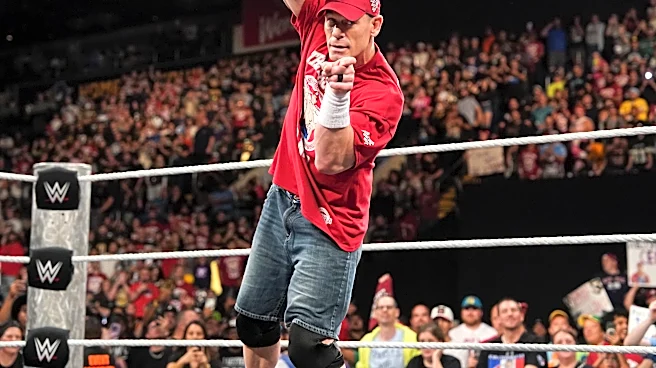
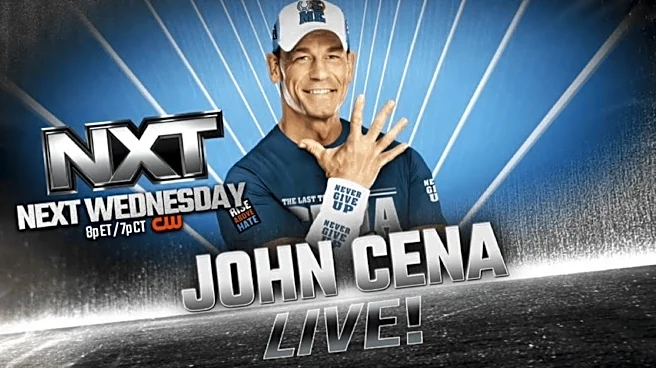
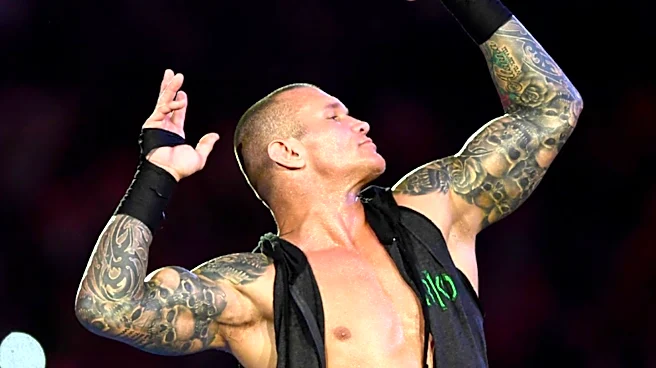
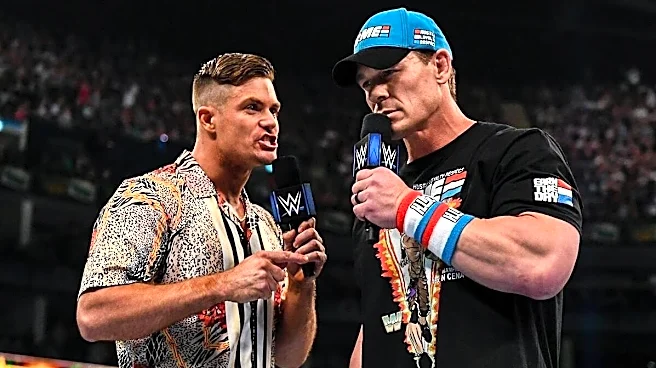
John Cena recently revealed a backstage prank orchestrated by Randy Orton before his WWE debut match against Kurt Angle on June 27, 2002. Cena, who was an extra talent with no expectation of wrestling that night, was unexpectedly scheduled to face the
Olympic gold medalist. Prior to the match, Orton tied Cena's wrestling boots together in a locker, making them inaccessible. Cena had to cut the laces and wrestle with only half of them. Additionally, he had to leave the venue to get a haircut, which he described as one of the worst seen on television. Despite the challenges, Cena looks back on the experience with appreciation, viewing it as a humbling welcome to the wrestling fraternity.
Why It's Important?
This anecdote provides a unique insight into the culture and camaraderie within professional wrestling, particularly during the early careers of future legends. It highlights the 'tough love' and initiation rituals that can shape the experiences of newcomers in a highly competitive and physically demanding industry. For fans, it adds a layer of personal history to the long-standing rivalry between Cena and Orton, showing that their interactions began with a memorable, albeit challenging, prank. This story humanizes these iconic figures, demonstrating that even top-tier athletes experience moments of vulnerability and humor behind the scenes, which can resonate with audiences and deepen their connection to the performers.
Beyond the Headlines
The incident reflects a broader theme of mentorship and initiation within professional communities, where established members test and welcome new entrants. While seemingly a simple prank, it served as a memorable 'welcome to the WWE' moment for Cena, fostering resilience and a sense of belonging within the wrestling fraternity. Such experiences, though challenging at the time, often become cherished memories that define careers and relationships. It also subtly underscores the demanding nature of the wrestling business, where performers must be adaptable and ready for unexpected challenges, both in and out of the ring. This type of shared experience can build strong bonds and a unique culture among athletes.