








What's Happening?
Consumer Reports has released practical do-it-yourself tips for pet owners to manage common issues such as skunk odor on pets and flea and tick infestations. For skunk odor, the organization recommends a mixture of 3-percent hydrogen peroxide, baking
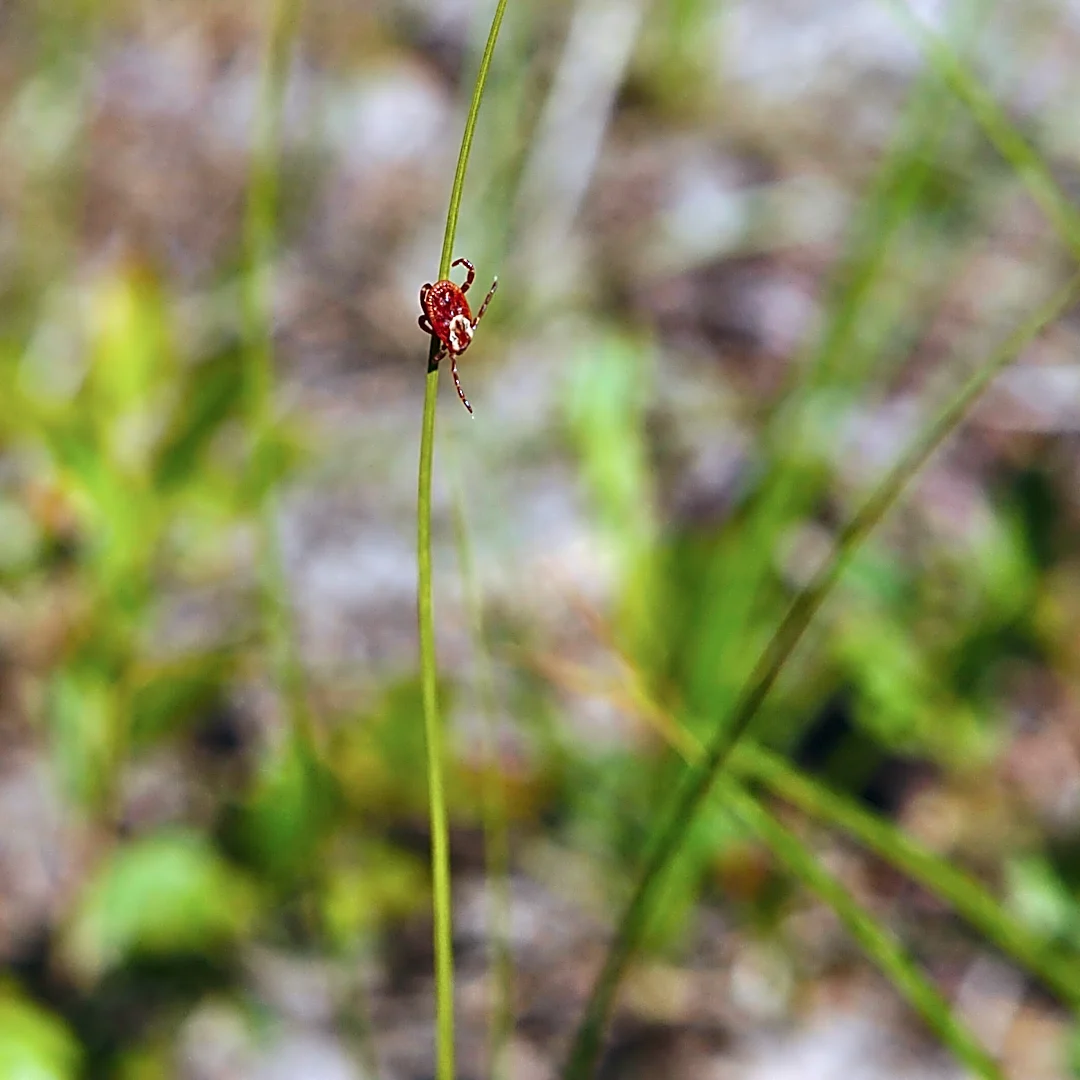
soda, and liquid dish soap, advising against the common but ineffective tomato juice remedy. This solution should be prepared immediately before use and kept away from the pet's eyes and mouth, followed by a thorough wash with pet shampoo. Regarding fleas and ticks, Paul Hope of Consumer Reports suggests making yards less inviting by keeping grass short and bushes trimmed, as these pests thrive in humid, shady, and grassy areas. For active flea infestations, bathing the pet with mild soap like Dawn to drown fleas, followed by using a metal flea comb, is advised. Additionally, daily vacuuming of rugs, carpets, and upholstered furniture with a HEPA vacuum cleaner is recommended to combat infestations.
Why It's Important?
These recommendations from Consumer Reports are significant for pet owners across the U.S. as they provide accessible and cost-effective solutions to common pet-related problems. Skunk encounters and pest infestations can be distressing and costly, often leading to professional cleaning services or veterinary visits. By offering DIY methods, Consumer Reports empowers pet owners to address these issues at home, potentially saving money and reducing stress for both pets and their families. The advice on yard maintenance for pest control also highlights a proactive approach to pet health, emphasizing environmental management as a key component of preventing infestations. This information can help improve the overall well-being of pets and maintain cleaner, healthier home environments, impacting a large segment of the U.S. population that owns pets.
What's Next?
Pet owners are likely to implement these DIY tips, potentially leading to a reduction in the need for professional services for skunk odor removal and pest control. Veterinarians may continue to recommend professional-grade flea and tick prevention treatments tailored to individual pets' age and size, complementing these home-based strategies. Consumer Reports will likely continue to monitor the effectiveness of such home remedies and provide updated advice as new information or products become available. The emphasis on preventative measures, such as yard maintenance, suggests a growing trend towards integrated pest management strategies that combine both chemical and non-chemical approaches to ensure pet health and home hygiene.
Beyond the Headlines
The guidance from Consumer Reports underscores a broader trend towards self-sufficiency and informed consumer choices in pet care. In an era where pet ownership is increasingly viewed as an integral part of family life, the demand for practical, reliable, and affordable solutions to pet-related challenges is high. This initiative also subtly promotes environmental awareness by encouraging yard maintenance as a pest control method, reducing reliance on potentially harmful chemical treatments. Furthermore, the debunking of myths, such as the effectiveness of tomato juice for skunk odor, highlights the importance of evidence-based information in consumer advice, fostering a more educated pet-owning public. This approach contributes to a more sustainable and responsible pet care culture in the U.S.