


What's Happening?
Miu Miu, established in 1993 by Miuccia Prada, operates as a high-fashion subsidiary of Prada, known for its avant-garde and experimental designs. The brand was conceived as a deliberate counterpoint to Prada's minimalist aesthetic, allowing Miuccia Prada to explore
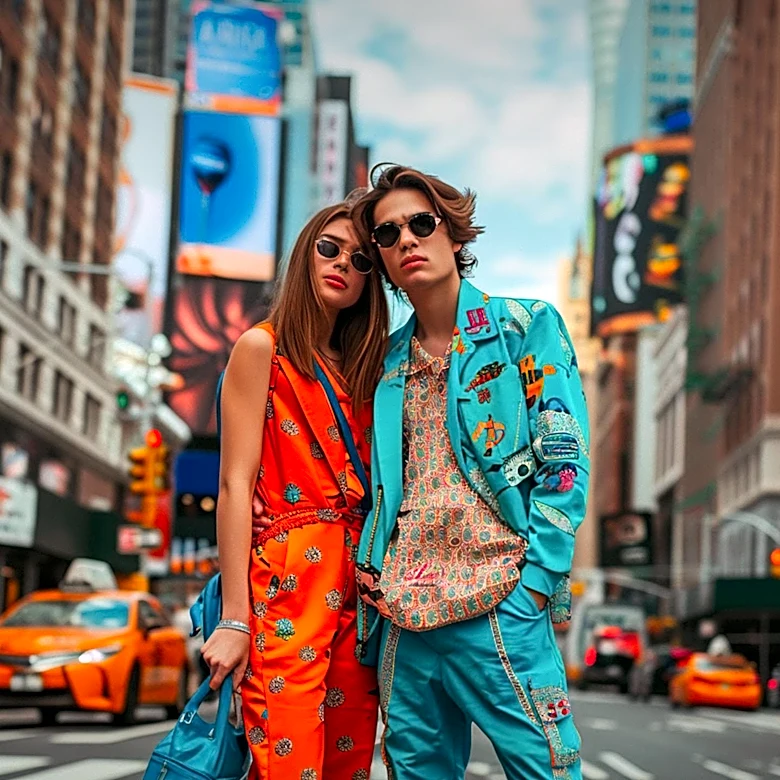
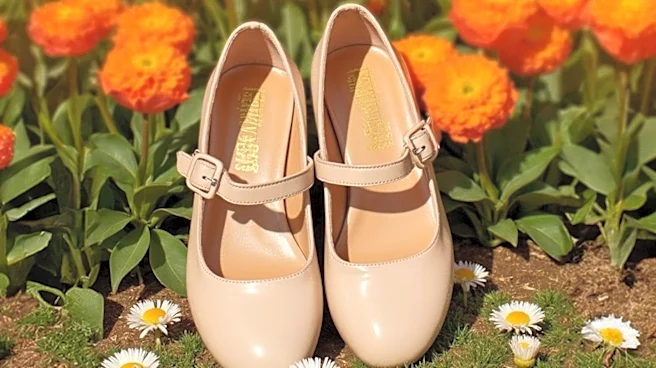
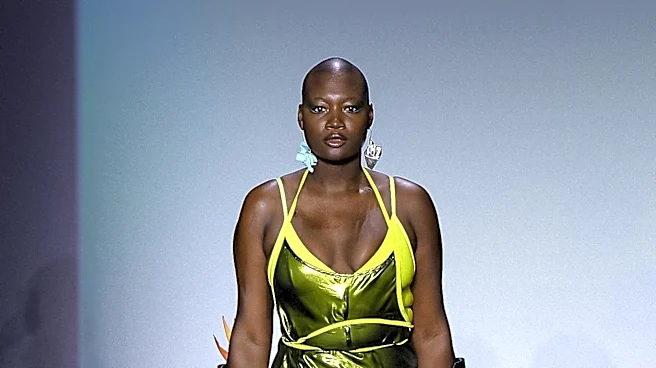
playful, ironic, and subversive ideas that did not align with Prada's established design language. Prada Group describes Miu Miu as Miuccia Prada's 'other soul and a laboratory of new expressions of style.' Its debut collection in 1993 featured a cowgirl theme with fringed suede jackets and patchwork prairie skirts, setting a precedent for elevating unconventional reference points into luxury statements. Miu Miu offers a wide range of products including handbags, shoes, clothing, and accessories, with items available on platforms like Poshmark at significant discounts. The brand's official website showcases new collections and exclusive content, reflecting its youthful and eclectic spirit through recent runway shows that combine activewear, tailored pieces, and infantile items.
Why It's Important?
Miu Miu's strategic positioning as a distinct brand within the Prada Group is significant for the luxury fashion industry. By creating a separate entity, Miuccia Prada successfully diversified her creative output without diluting the core identity of the more restrained Prada brand. This dual-brand strategy allows the Prada Group to capture a broader market segment, appealing to both consumers who prefer classic, minimalist luxury and those drawn to more experimental, youthful, and rebellious styles. The brand's focus on cultural relevance and viral products, such as micro-mini skirts and logo underwear, has enabled it to resonate strongly with younger, Gen Z consumers. This approach demonstrates how luxury brands can adapt to evolving consumer preferences and leverage cultural trends to drive demand and maintain relevance in a competitive market. The success of Miu Miu highlights the importance of brand architecture and distinct creative direction in maximizing market penetration and brand longevity within a luxury conglomerate.
What's Next?
Miu Miu is expected to continue its strategy of engaging younger consumers through culturally resonant collections and viral product moments. The brand's consistent presence at Paris Fashion Week, a move that elevated its status beyond a secondary line, indicates a continued focus on high-profile runway presentations to showcase its evolving aesthetic. Future collections will likely maintain the brand's signature blend of irony, subversion, and 'rebellious luxury,' drawing inspiration from unconventional sources and transforming them into desirable luxury items. The brand's ability to translate cultural heat into sustained resale demand suggests that Miu Miu will remain a key player in the secondary luxury market, attracting collectors and investors who monitor cultural trends for long-term value. Continued exploration of collaborations and innovative marketing strategies, similar to its New Balance partnership, could further solidify its appeal to a diverse and youthful audience.
Beyond the Headlines
Miu Miu's success offers a compelling case study in brand architecture and the strategic use of creative tension within a luxury fashion house. The deliberate divergence from Prada's aesthetic, while maintaining shared ownership and design leadership, illustrates how a conglomerate can cultivate multiple distinct brand identities that cater to different emotional and stylistic preferences. This approach challenges the traditional notion of a single, monolithic luxury brand, instead demonstrating the power of a diversified portfolio where each brand can freely explore its unique creative vision. The brand's embrace of 'bad taste' and its transformation into 'expensive irony' also reflects a broader cultural shift in luxury consumption, where authenticity and a rebellious spirit are increasingly valued by younger generations over traditional notions of gravitas and restraint. This dynamic interplay between established luxury and subversive youth culture positions Miu Miu as a significant influencer in shaping contemporary fashion trends and consumer expectations.