









What's Happening?
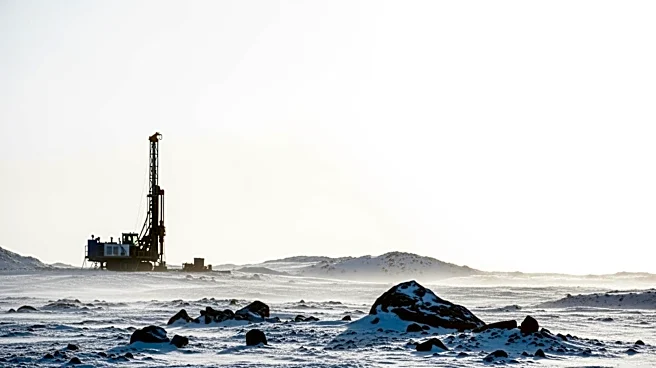
Vizsla Copper has launched a 10,000-meter diamond drilling program at its Palmer volcanogenic massive sulphide project located in southeastern Alaska. This initiative marks the first phase of a fully financed 2026 exploration program aimed at expanding
the project's critical mineral resource base. The current drilling efforts are concentrated on the South Wall zone of the Palmer deposit, where previous explorations have identified a high-grade copper-rich core. The program is designed to enhance high-grade mineralization at the South Wall deposit and assess several priority targets across the Palmer district. The company plans to target two additional exploration prospects later in the season, namely the HG and Waterfall prospects, which show potential for significant mineralization.
Why It's Important?
The commencement of drilling at the Palmer project is significant for the U.S. mining industry, particularly in the context of increasing demand for critical minerals like copper and zinc. These minerals are essential for various industries, including technology and renewable energy. By expanding its mineral resource base, Vizsla Copper could contribute to the domestic supply of these critical resources, potentially reducing reliance on imports. The project also represents economic opportunities for the region, potentially creating jobs and stimulating local economies. The success of this exploration could position Vizsla Copper as a key player in the U.S. mining sector, particularly in the production of high-grade copper and zinc.
What's Next?
As the drilling program progresses, Vizsla Copper will continue to evaluate the mineral potential of the Palmer project. The company plans to focus on areas with previously identified high copper grades and prepare additional drill sites to explore the mineralization potential between the Palmer and AG deposits. The results of this exploration could lead to further development phases, including potential expansion of mining operations. Stakeholders, including local communities and environmental groups, may closely monitor the project's impact on the region. Regulatory approvals and environmental assessments will likely play a crucial role in the project's future development.