






What's Happening?
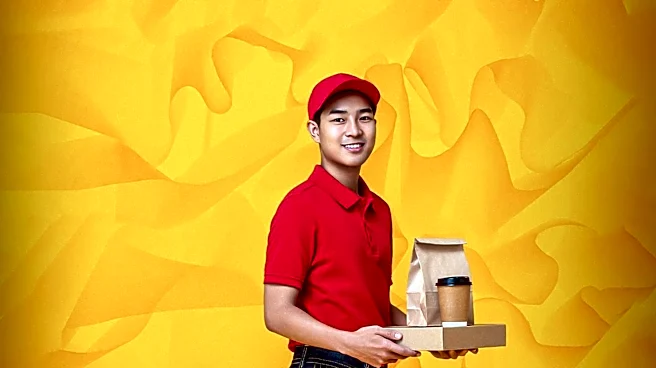
A volunteer for Meals on Wheels has shared personal reflections on the profound impact of dedicating time to charitable service, emphasizing the joy, perspective, and appreciation for the present that it brings. The volunteer, who began as a substitute
driver for the organization, delivers hot meals to individuals in need, often engaging in brief but meaningful interactions. This service has provided a direct view of food insecurity, which, according to the 2026 Capital Area Food Bank Hunger Report, is at a five-year high in the greater Washington D.C. area, with fewer than half of households confident in their ability to secure necessary food. The volunteer also noted the importance of modeling charitable actions for their children, hoping to instill a similar commitment to giving back to the community. The experience has fostered a deeper understanding of personal privilege and the fleeting nature of physical health.
Why It's Important?
This personal account underscores the critical role of volunteerism in addressing pressing social issues like food insecurity and isolation among seniors in the U.S. The rising food insecurity rates, as highlighted by the Capital Area Food Bank Hunger Report, indicate a growing need for community support systems like Meals on Wheels, especially as economic conditions fluctuate. The narrative also emphasizes the reciprocal benefits of volunteering, where givers often experience increased happiness, health, and a broader perspective on life. This can inspire more individuals to contribute their time, strengthening community bonds and providing essential services that government programs may not fully cover. For society, a robust volunteer base can alleviate strain on public resources and foster a more compassionate and interconnected community, directly impacting the well-being of vulnerable populations across the nation.
What's Next?
The continued rise in food insecurity, as indicated by reports like the 2026 Capital Area Food Bank Hunger Report, suggests an ongoing and potentially increasing demand for services provided by organizations like Meals on Wheels. This trend may necessitate greater public awareness campaigns to recruit more volunteers and secure additional funding from private donors and potentially government grants. Local communities and non-profit organizations will likely continue to highlight personal stories of impact to encourage participation and support. Furthermore, as the population ages, the need for services that combat senior isolation and ensure nutritional well-being is expected to grow, placing more emphasis on the sustainability and expansion of such programs. Discussions around federal safety nets and their potential impact on charitable organizations may also intensify, prompting advocacy for consistent support for these vital community services.
Beyond the Headlines
The volunteer's experience with Meals on Wheels delves into deeper societal implications beyond immediate food delivery. It highlights the often-unseen epidemic of loneliness and isolation among the elderly, for whom a meal delivery can be their only social interaction of the day. This human connection is as vital as the nutrition provided, addressing mental and emotional well-being alongside physical needs. The story also subtly critiques societal structures that lead to such widespread food insecurity, prompting reflection on economic disparities and the adequacy of social safety nets. By involving children in volunteering, the narrative touches upon the intergenerational transfer of values, fostering empathy and civic responsibility in younger generations. This kind of direct community engagement can build social capital, creating a more resilient and caring society that values mutual aid and collective well-being over individualistic pursuits, ultimately strengthening the fabric of American communities.