






What's Happening?
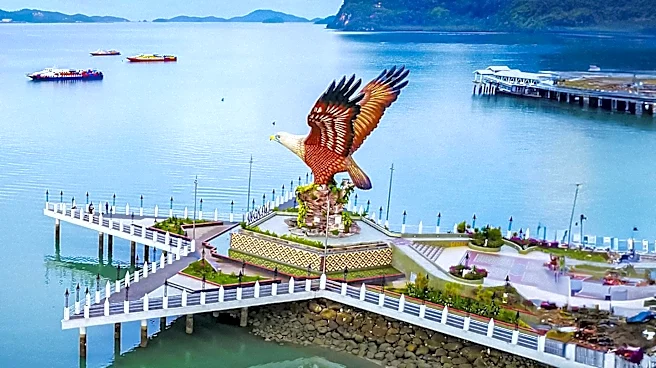
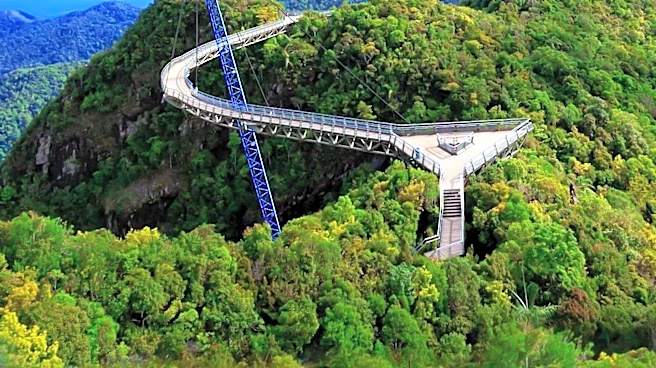
Langkawi, a Malaysian island, is gaining recognition for its diverse natural attractions, including rainforests, unique rock formations, pristine beaches, and overall coastal charm. The island is a popular destination for various tourism activities, such
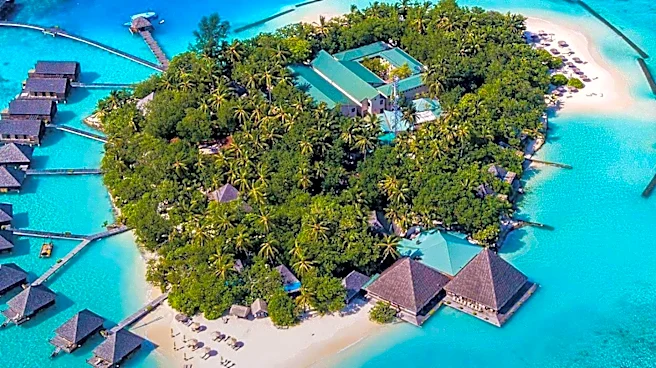
as cruises, with options like the 4-Night Langkawi Cruise departing from Singapore. Luxury accommodations, such as The Frangipani Langkawi Resort, offer private shoreline experiences. Beyond leisure, Langkawi also hosts sporting events, notably the Tour of Langkawi, an eight-stage road race covering over 1200km across Malaysia. The island's natural beauty is further highlighted through tours like the Langkawi Mangrove Tour & Sunset Cruise with Dinner, which showcases its ecological richness. Recent reports from visitors to the Hilton Burau Bay Langkawi highlight the resort's integration with nature, with sightings of local wildlife such as Dusky Leaf Monkeys and Oriental-pied Hornbills within the property. The island's appeal extends to its accessibility, with ferry services connecting it to other regions like Koh Lanta, Thailand, and flights to major cities like Kuala Lumpur.
Why It's Important?
The growing prominence of Langkawi as a tourist destination signifies a broader trend in the travel industry towards experiential and nature-based tourism. For the U.S. travel market, this could translate into increased interest in Southeast Asian destinations, potentially boosting demand for flights and tour packages to the region. The emphasis on luxury resorts and unique natural experiences caters to a segment of U.S. travelers seeking high-end, immersive vacations. The inclusion of Langkawi in international sporting events like the Tour of Langkawi also elevates its global profile, attracting sports enthusiasts and potentially driving niche tourism. The development of robust tourism infrastructure, including diverse accommodation options and accessible transportation, makes Langkawi an increasingly viable and attractive option for U.S. tourists looking for exotic yet comfortable travel experiences. This trend could also influence U.S. travel agencies and tour operators to expand their offerings to include more specialized and eco-friendly destinations in their portfolios.
What's Next?
Given Langkawi's increasing popularity, it is likely that there will be continued investment in its tourism infrastructure, including new resorts, enhanced transportation links, and expanded tour offerings. The focus on eco-tourism and sustainable practices may also intensify, aligning with global trends in responsible travel. Major stakeholders, including international hotel chains and tour operators, are expected to further capitalize on Langkawi's appeal, potentially leading to more direct flights or streamlined travel packages from the U.S. The island's participation in international events like the Tour of Langkawi could also lead to more cultural and sporting exchanges, further diversifying its tourism appeal. Efforts to promote Langkawi's unique natural heritage, such as its mangroves and geological formations, are anticipated to continue, attracting researchers and nature enthusiasts alongside general tourists. The local government and tourism bodies will likely implement strategies to manage the influx of visitors while preserving the island's natural environment.
Beyond the Headlines
The rise of Langkawi as a premier tourist destination highlights the evolving preferences of global travelers, moving beyond traditional sightseeing to seek more authentic and nature-integrated experiences. This shift has broader implications for how destinations are marketed and developed, emphasizing ecological preservation and cultural immersion alongside luxury and convenience. The success of Langkawi could serve as a model for other regions looking to balance economic development through tourism with environmental stewardship. Furthermore, the blend of high-end resorts with accessible natural attractions reflects a growing demand for destinations that offer both comfort and adventure. The island's ability to host international sporting events also underscores the potential for sports tourism to drive economic growth and enhance a destination's global image, fostering a deeper connection between sports and travel. This trend encourages a more holistic approach to tourism, where environmental, cultural, and recreational aspects are interwoven to create a richer visitor experience.