
What's Happening?
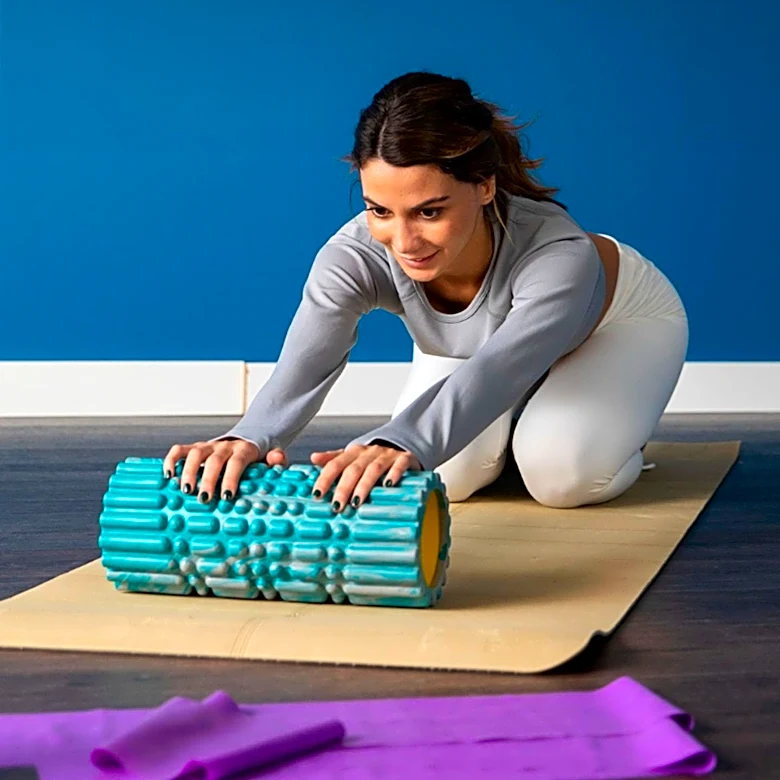
Special Strong, an adaptive fitness program, has launched its first South Carolina location in the Lake Murray and West Columbia area. The program aims to provide fitness training tailored for individuals facing mental, physical, and cognitive challenges.
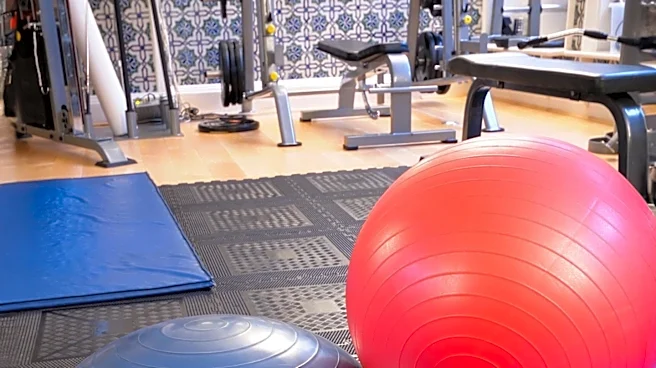
The launch was celebrated with a free 'Silly Sock Saturday' event at Lake Murray Jiu Jitsu, featuring adaptive fitness demonstrations, games, snacks, and door prizes. Tiffany McFarland, representing Special Strong, expressed enthusiasm for serving the community with adaptive needs. The program caters to a wide range of diagnoses, including autism, cerebral palsy, spina bifida, and Down syndrome, and also serves adults such as veterans with amputations or elderly individuals with Parkinson's or stroke recovery needs. McFarland, a physical therapist with over 25 years of experience, is bringing the Texas-based program to the Midlands to enhance fitness accessibility and help individuals of all abilities build strength and confidence. The program focuses on core strength, balance, brain sensory activities, and overall strength and endurance.
Why It's Important?
The expansion of Special Strong into the Midlands signifies a crucial step towards greater inclusivity and accessibility in the fitness industry for individuals with disabilities. This initiative addresses a significant gap in traditional fitness offerings, which often do not cater to the specific needs of this population. By providing specialized training, the program can lead to improved physical health, enhanced confidence, and greater independence for participants. For families and caregivers, it offers a dedicated resource that understands and accommodates unique challenges, fostering a sense of community and support. The program's focus on core strength, balance, and endurance can directly impact daily living activities, potentially reducing the need for extensive assistance and improving overall quality of life. Furthermore, by integrating individuals with disabilities into fitness activities, it promotes a more inclusive societal view of health and wellness, challenging existing barriers and stereotypes.
What's Next?
Following its launch, Special Strong in the Lake Murray area will likely focus on outreach and enrollment to integrate more individuals into its adaptive fitness programs. The organization will aim to establish partnerships with local community centers, healthcare providers, and disability advocacy groups to raise awareness and reach those who can benefit most from its services. There may be future events similar to 'Silly Sock Saturday' to engage the community and showcase the benefits of adaptive fitness. As the program grows, there could be opportunities for expanding its offerings, such as specialized classes for different age groups or specific conditions. The success of this first South Carolina location could also pave the way for further expansion of Special Strong across the state, increasing the availability of adaptive fitness options for a broader population with disabilities.
Beyond the Headlines
The introduction of adaptive fitness programs like Special Strong highlights a broader societal shift towards recognizing and addressing the diverse needs within the health and wellness sector. Beyond the immediate physical benefits, such programs contribute significantly to mental well-being by fostering a sense of accomplishment, belonging, and self-efficacy among participants. Ethically, it underscores the importance of equitable access to health resources for all individuals, regardless of physical or cognitive limitations. Legally, it aligns with principles of disability rights and inclusion, pushing for environments where everyone has the opportunity to pursue a healthy lifestyle. Culturally, these initiatives help to normalize disability within mainstream activities, breaking down stigmas and promoting a more integrated community. In the long term, the growth of adaptive fitness could influence urban planning and public policy, encouraging the development of more accessible recreational facilities and support systems for people with disabilities.